






Why Your Gut Needs Extra Care
The monsoon season, while romantic, creates a perfect environment for bacteria and viruses to thrive. The increased humidity can slow down our digestive system, making us more susceptible to issues like bloating, indigestion, and stomach infections. This
is why you might feel more sluggish or prone to illness during these months. Furthermore, the risk of water and food contamination rises significantly, making it crucial to be mindful of what you eat and drink. Ayurvedic tradition, or Ritucharya, has long advocated for seasonal eating to help the body adapt and stay resilient, a principle that modern science supports.
Embrace Warmth and Lightness
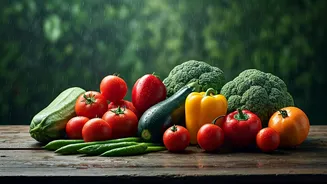
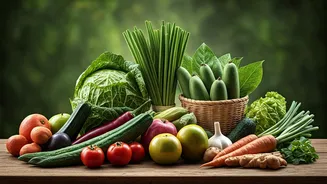
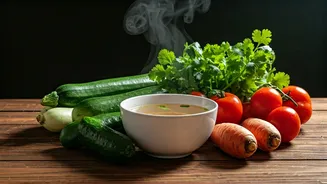
The golden rule for a monsoon diet is to favour foods that are light, warm, and easy to digest. Think of comforting, freshly cooked meals over cold or raw items. Warm soups, broths, and stews are excellent choices; they are not only hydrating but also gentle on the stomach. Incorporating easily digestible grains like oats, brown rice, and barley can provide sustained energy. Vegetables like bottle gourd (lauki), ridge gourd (tori), and bitter gourd (karela) are seasonal stars that are light and beneficial for gut health. Steaming or grilling vegetables is preferable to frying.
Power Up with Immunity Boosters
Strengthening your immune system is your best defence during the monsoon. Spices are your allies here. Turmeric, known for its antiseptic properties, ginger for its digestive aid, and garlic for its antimicrobial power should be used generously in your cooking. Spices like pepper, cinnamon, and cardamom also help in digestion and fighting off infections. Seasonal fruits such as jamun, pomegranates, pears, and apples are packed with essential vitamins and antioxidants that bolster your immunity. For a powerful dose of nutrients, a handful of nuts and dry fruits like almonds and walnuts can be a great snack.
The Street Food Dilemma
The craving for hot pakoras, samosas, and chaat is almost synonymous with a downpour. While indulging this craving is part of the monsoon experience, caution is paramount. Street food carries a higher risk of contamination during this season due to unhygienic water and handling. If the craving is irresistible, opt for vendors who maintain visible hygiene, cook food fresh in front of you, and serve it piping hot, as high heat kills most germs. An even safer bet is to recreate these beloved snacks at home. This way, you control the quality of the oil and ingredients, ensuring both taste and health are on your plate.
Foods to Approach with Caution
Certain foods are best limited or avoided during the rainy season. Raw vegetables, especially leafy greens like spinach and cabbage, can harbour germs and larvae that are difficult to wash away completely. It’s safer to consume them in a well-cooked form. Seafood should also be approached with care, as the monsoon is the breeding season for fish, and water contamination increases the risk of food poisoning. It is also advisable to cut back on overly spicy and salty foods, which can cause indigestion and water retention. Similarly, while probiotics are great for gut health, it might be better to opt for light buttermilk (chaas) over heavy yogurts.