







The Great Summer Debate: Meethi vs. Namkeen
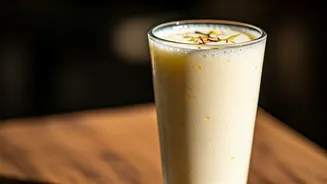
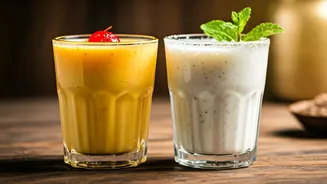
The choice between sweet (meethi) and salted (namkeen) lassi is a friendly rivalry played out in households and dhabas across the country. Sweet lassi, a decadent blend of yogurt, water, and sugar, is often finished with a dollop of malai (clotted cream)
or fragrant rosewater. [16, 22] It’s a rich, dessert-like beverage that provides a quick energy boost. [2] In contrast, the salted version is a lighter, more savoury affair. [12] Often called namkeen lassi or simply chaas in some regions (though chaas is typically thinner), it’s seasoned with ingredients like roasted cumin powder and black salt. [9, 11] While sweet lassi is an indulgence, its salted counterpart is celebrated as a digestive aid, perfect for washing down a heavy meal. [4, 7, 11]
A Drink Steeped in History
Lassi is far more than just a summer cooler; it’s a beverage with ancient roots. [28] Originating in the Punjab region of the Indian subcontinent, it was a practical creation for farmers needing to stay hydrated and energised in the scorching heat. [13, 21] Traditionally prepared by churning yogurt and water in a clay pot using a wooden whisk called a madhani, the process itself is a part of its cultural charm. [8, 9] References to yogurt-based drinks can be found in Ayurvedic texts dating back thousands of years, where they were praised for their cooling and digestive properties. [10, 14] Over centuries, lassi evolved from a simple farm drink into a symbol of hospitality, offered to guests as a welcoming gesture in homes and during festive celebrations like Holi and Diwali. [13, 14, 30]
The Ultimate Wellness Drink
Beyond its refreshing taste, lassi is a nutritional powerhouse. Being yogurt-based, it is a rich source of probiotics, the beneficial bacteria that promote a healthy gut, aid digestion, and boost immunity. [2, 3, 15] This makes it particularly effective in soothing the stomach after a spicy meal and preventing issues like bloating and acidity. [4, 6] Packed with calcium, it’s excellent for bone and dental health. [3, 4] During the sweltering summer months, lassi serves as an exceptional hydrator, helping to cool the body, reduce heat stress, and replenish electrolytes lost through sweating. [4, 5, 6] Its combination of protein, vitamins, and minerals provides a sustained energy release, making it a far healthier alternative to sugary, carbonated drinks. [14, 15]
The Many Faces of Lassi
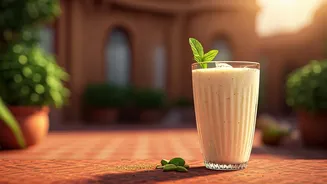
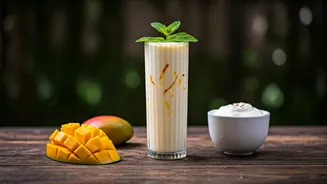
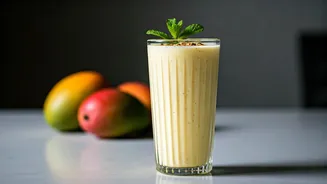
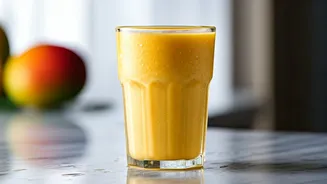
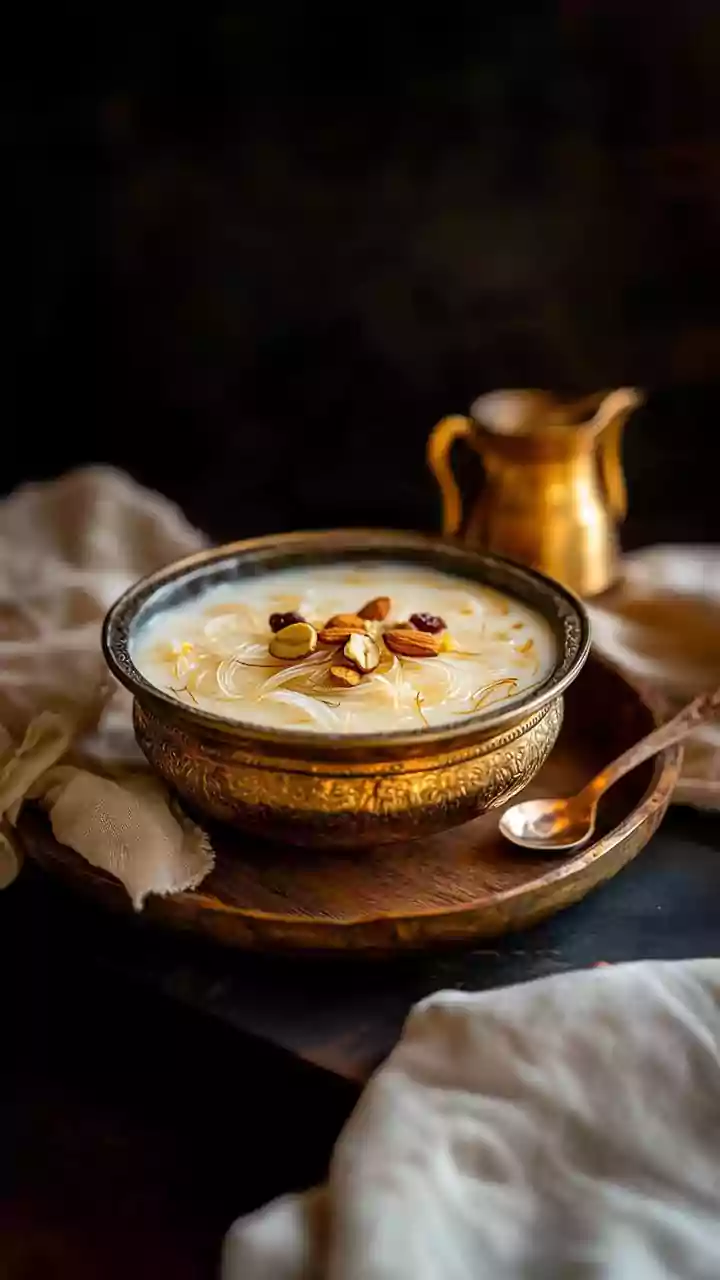
To think of lassi as merely sweet or salted is to miss its incredible diversity. [23] Across India, the drink takes on regional personalities. [19] The globally famous Mango Lassi transforms the drink into a fruity, smoothie-like treat. [19] In Rajasthan, one might find the luxurious Makhaniya Lassi, a thick, spoonable concoction enriched with saffron, cardamom, nuts, and even a dollop of unsalted butter. [17, 24, 26] The holy city of Varanasi is famed for its artistic lassis, layered with rabri (sweet, thickened milk) and served in traditional clay cups called kulhars that impart an earthy aroma. [18, 22] Other variations include bhang lassi, a cannabis-infused version consumed during specific festivals, and mint lassi, which adds another layer of cooling freshness. [20, 21] This versatility is lassi's greatest strength, allowing it to adapt to local tastes and ingredients. [23]