


The saree is grace itself, but a restrictive blouse can ruin the experience. Nothing is more frustrating than an armhole that bites or sleeves that stop you from reaching for a cup of tea. Here’s how to choose a blouse that lets you move freely.
The Foundation Is Fabric
Before
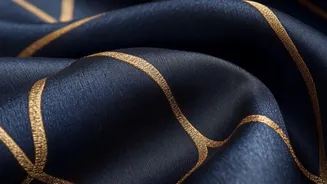
you even think about design, consider the material. The fabric is the single most important factor for comfort and movement. Stiff materials like thick brocades or starched, heavy cottons naturally offer less flexibility. While beautiful, they are not ideal for blouses where you need a full range of motion. Instead, look for fabrics with some inherent give or a fluid drape. Cotton-silk blends are a fantastic option, offering the breathability of cotton and the gentle sheen of silk. Lightweight silks, georgettes, and crepes also drape beautifully and move with your body rather than against it. For daily wear, nothing beats pure cotton for its softness and ability to absorb sweat. Some modern blouses even incorporate stretchable panels or use fabrics like jersey and lycra blends, which provide maximum flexibility without compromising on a tailored look.
Rethink Your Sleeve Style
The traditional set-in sleeve, where the sleeve is attached to a circular armhole on the blouse body, can sometimes be restrictive. But several other sleeve designs are specifically built for movement. A raglan sleeve, for example, is a game-changer. Characterised by a diagonal seam that runs from the underarm to the neckline, this style provides significantly more room around the shoulder and bicep. Originally used in sportswear for its ergonomic benefits, the raglan sleeve allows you to lift your arms without the entire blouse riding up. Similarly, dolman or kimono sleeves, which are cut as one piece with the blouse body, offer a loose, unrestricted fit. While more of a style statement, they guarantee you will never feel a pinch.
Pay Attention to the Armhole
The fit of the armhole, or 'armscye', is critical. An armhole that is cut too high or too small will dig into your underarm and restrict movement, no matter how much fabric is in the sleeve itself. When getting a blouse stitched or trying one on, make sure the armhole seam follows the natural crease where your arm joins your body. You should be able to move your arm forward and up without feeling any tightness. If you raise your arm and the whole side of the blouse lifts with it, the armhole is likely too small or poorly shaped. A good tailor will measure your armhole curve and your bicep to ensure there is enough room for comfort without creating unsightly baggy folds.
Clever Tailoring Makes a Difference
A skilled tailor has several tricks to build more movement into a fitted blouse. One of the most effective is adding a gusset. A gusset is a small, diamond-shaped piece of fabric inserted into the underarm seam. This tiny panel provides extra room right where you need it most, allowing for a full range of arm motion without altering the blouse's silhouette. It's an old tailoring technique that makes a world of difference in fitted garments. Another simple but crucial tip is to always ask your tailor to leave at least an inch of extra margin inside the seams. This not only allows for future alterations if your size fluctuates but can also be let out slightly in the arm or side seam to provide a little extra breathing room.
Communicate During Your Fitting
The best way to ensure a comfortable fit is to be an active participant in the fitting process. Wear the exact bra you plan to wear with the blouse, as it affects your measurements and posture. When you try on the sample or the final blouse, don't just stand still. Raise your arms, swing them around, mimic pinning your saree pallu, and sit down. This will immediately reveal any points of restriction. Clearly communicate to your tailor where it feels tight. A good tailor can make small adjustments to the shoulder slope, armhole depth, or sleeve width that can transform the fit from restrictive to liberating. Remember, a well-made blouse should feel like a second skin, not a cage.