





A New Economic Prime Time
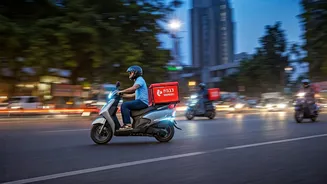
The traditional 9 p.m. dinner hour is becoming a relic for a growing segment of India's urban population. Over the last year, late-night food delivery volumes have doubled, signaling a profound shift in consumer behaviour. Industry data reveals that orders
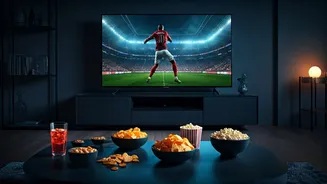
placed between 11 p.m. and 3 a.m. have surged, transforming a once-niche market into a significant revenue stream for the food services industry. This isn't just a temporary spike fueled by sporting events like the FIFA World Cup, which has recently boosted orders by 12-15%; it's part of a larger, more permanent trend. Industry executives confirm that even before the tournament, year-over-year demand had already grown by 10-12%. This after-hours economy is not just surviving; it's thriving, forcing businesses to rethink their entire operational clock.
The Night Owls Driving the Demand
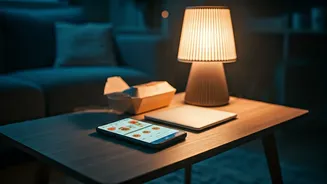
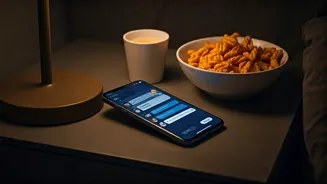
The force behind this late-night boom is a demographic of young, urban consumers. Students, single professionals, and night-shift workers in sectors like IT and BPO have widely adopted after-hours eating habits. The sleep schedules of India's youth have fundamentally changed, with many staying awake until 2 or 3 a.m. This cultural shift is driven by a blend of factors: the rise of streaming platforms creating personal prime-time entertainment hours, flexible or late work schedules, and a simple desire for convenience. Food delivery platforms have become deeply integrated into these evolving urban lifestyles. The result is that ordering food late at night has moved from an occasional indulgence to a mainstream, routine behaviour.
What's on the Midnight Menu?
When the clock strikes twelve, Indians are reaching for comfort. Data from Swiggy shows that pizzas and burgers are the most popular choices in the 11 p.m. to 3 a.m. window. Biryani, a perennial favourite, also remains a top contender for late-night orders. Beyond full meals, there is a significant demand for snacks and desserts. Chicken rolls and momos are national favourites, while items like ice cream and frozen snacks see demand spike by as much as 40 percent during late-night hours, especially during major events. This trend isn't limited to restaurants; quick-commerce platforms like Blinkit, BigBasket, and Zepto are facilitating a boom in packaged food sales after dark, with many of their 'dark stores' operating 24/7 to meet demand.
Restaurants and Cloud Kitchens Capitalise
The food industry is rapidly adapting to this new 24/7 demand cycle. Major quick-service restaurant (QSR) chains are extending their hours to capture the night-time audience. For instance, Domino's Pizza has notified customers that many of its 2,400+ stores are taking orders until 3 a.m. Similarly, about 20% of McDonald's outlets in key cities like Delhi-NCR, Lucknow, and Jaipur now remain open until 3 a.m., with some highway locations operating around the clock. This trend has also been a massive boon for the cloud kitchen model. These delivery-only kitchens, which operate without a physical storefront, are perfectly suited for the late-night market, allowing them to serve high-demand areas with lower operational overheads. For some, late-night sales now constitute up to 15-25% of their total orders, a figure comparable to their lunchtime business.
Growth Beyond the Metros
While major metros like Bengaluru, Hyderabad, and Mumbai are leading the charge in late-night order volume, the trend is rapidly expanding to Tier-2 and Tier-3 cities. Emerging markets such as Surat, Thiruvananthapuram, and Patna are showing robust growth in both order frequency and value. This expansion is a key indicator that the midnight food market is not just an urban elite phenomenon but a widespread shift in consumer habits across the country. According to a May 2026 report, India's overall food services market is projected to grow significantly, driven more by increased ordering frequency than by new user acquisition. The late-night window is a critical component of this growth, offering a new frontier for competition and customer loyalty.