


A Shift in the Indian Palate
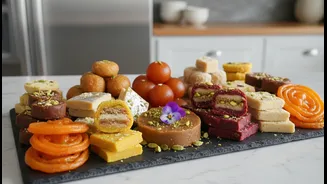
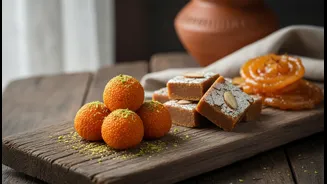
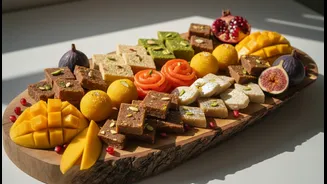
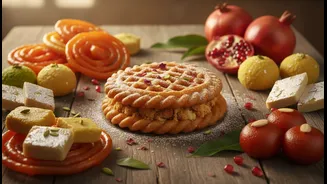
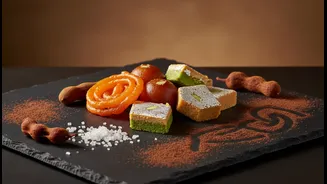
Traditional Indian sweets, from the syrupy gulab jamun to the dense, milky barfi, are deeply woven into the fabric of celebration and ritual. Their history stretches back thousands of years, evolving through the introduction of sugarcane, the influence
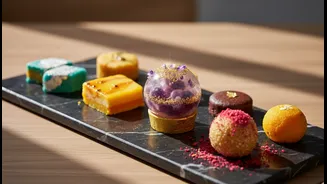
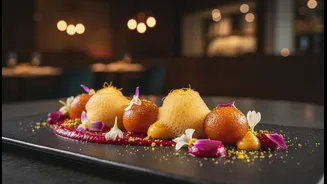
of Mughal royal kitchens, and regional craftsmanship. However, for a long time, the primary flavour profile remained overwhelmingly sweet. Today, that is changing. A growing number of consumers and chefs are looking for more than just a sugar rush. They are seeking balance, intrigue, and desserts that tell a story. This has paved the way for a movement that deconstructs familiar mithai and rebuilds them with a modern, global perspective, focusing on texture, narrative, and unexpected flavours.
The All-Important Quest for Texture
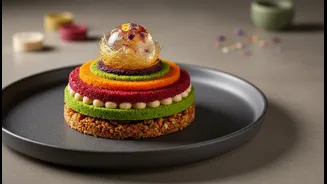
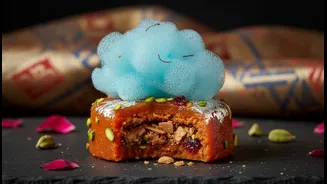
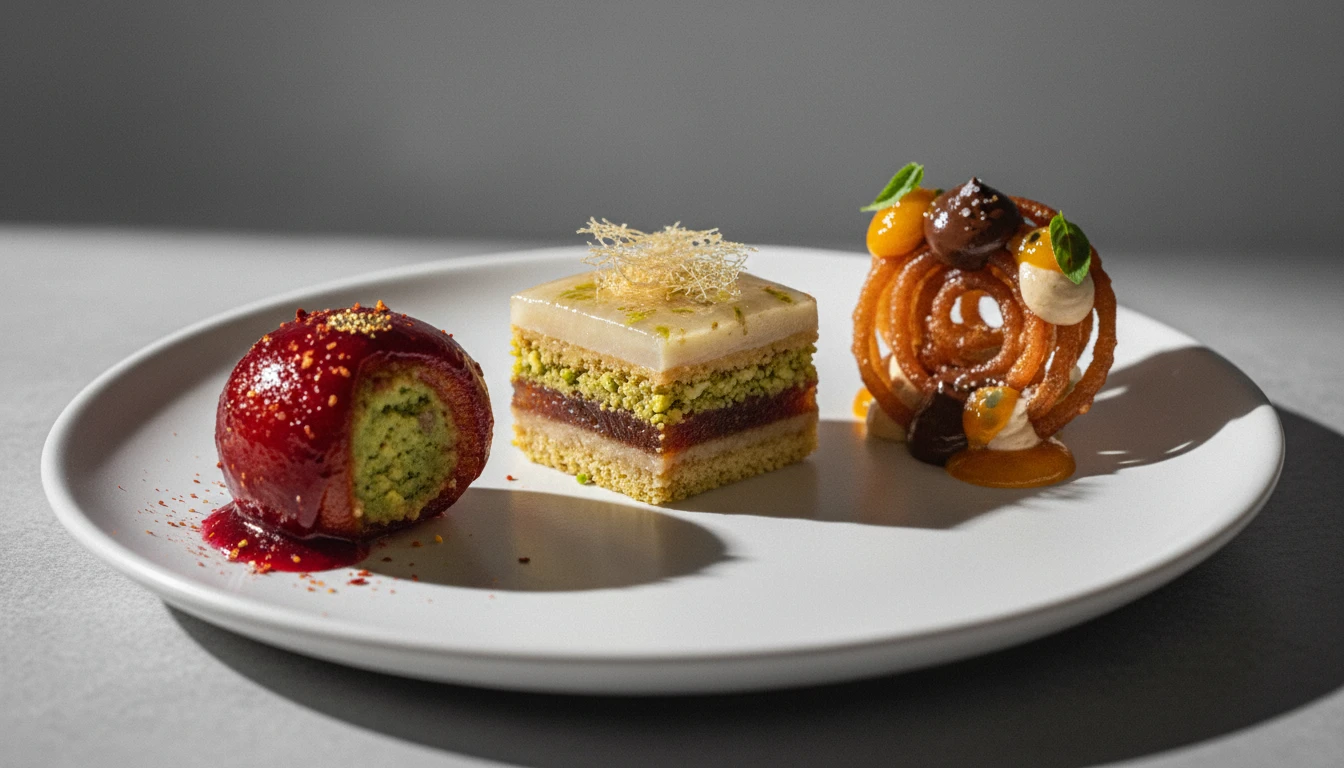
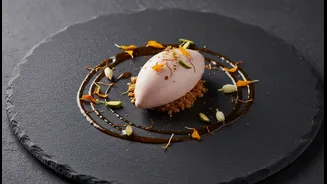
One of the most significant shifts in modern mithai is the focus on texture. Traditional sweets often have a singular texture – soft, fudgy, or syrupy. The new school of mithai makers, many with backgrounds in French patisserie, are introducing layers of complexity. Imagine a soft peda with a crunchy, crumbly base, or a smooth barfi with a liquid centre. Techniques once reserved for Western desserts are now being applied to Indian classics. This might look like an imarti-waffle hybrid, crispy gulab jamun churros, or a Mysore pak cheesecake with a corn crumble. The goal is to create a more dynamic and engaging bite, where each element offers a different sensation, transforming the act of eating mithai into a journey of discovery.
Every Sweet Tells a Story
Beyond flavour, contemporary mithai is becoming a medium for storytelling. Chefs are digging into culinary history and personal memory to create sweets with a narrative. Some brands focus on reviving regional recipes or using forgotten indigenous ingredients, telling a story of India's diverse agricultural heritage. Others use sweets to encapsulate a feeling or a memory, like the taste of masala chai transformed into a panna cotta with a ginger glaze and cardamom crumb. New York-based chef Surbhi Sahni of Tagmo, for example, infuses her creations with an ethos of community, crafting artisanal mithai that also supports social causes. This narrative approach adds a layer of meaning, turning the sweet from a simple confection into a piece of edible culture.
The Element of Surprise
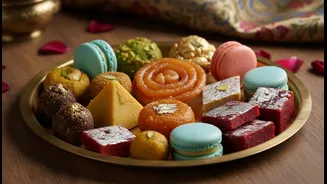
Perhaps the most daring aspect of this new movement is the embrace of surprising and global flavour combinations. While cardamom, saffron, and rosewater remain beloved staples, chefs are now experimenting with ingredients that would have been unthinkable in a mithai shop a decade ago. Brands like Bombay Sweet Shop and Khoya are known for their imaginative takes, blending traditional forms with modern tastes. This has led to creations such as coffee-flavoured Mysore pak, lavender-infused laddoos, and even mithai incorporating savoury notes. Chocolate, in particular, has become a popular fusion ingredient, leading to Nutella gujiyas and chocolate-coated barfis. These inventive pairings are attracting a new generation of consumers who crave both the comfort of the familiar and the thrill of the new.
Not a Replacement, but an Evolution
This trend is not about replacing the classics. The timeless appeal of a perfect jalebi or a rich, grainy besan laddoo is undeniable. Rather, this evolution represents a broadening of what Indian sweets can be. It reflects a maturing of the Indian palate and a newfound confidence in our own culinary traditions, viewing them not as static relics but as a living, breathing canvas for innovation. Chefs are proving that it's possible to honour the soul of mithai while presenting it in a form that is lighter, less sweet, and more complex. By balancing nostalgia with novelty, these culinary artists are ensuring that India’s sweet traditions will continue to excite and inspire for generations to come.