





The Starting Point: Global Oil Markets
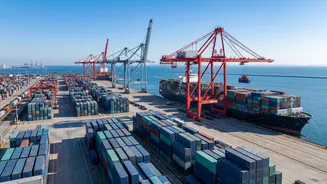
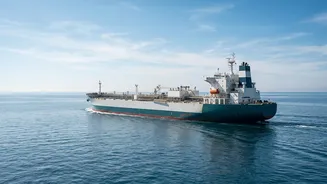
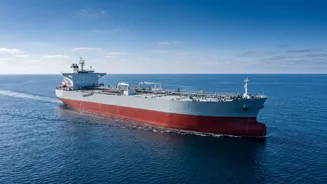
The journey begins not in a farm or a mandi, but in the volatile world of international crude oil markets. The price of Brent crude, the benchmark for much of the world, is swayed by a delicate balance of supply and demand. Geopolitical tensions, such
as recent conflicts in the Middle East, can threaten supply through crucial shipping routes like the Strait of Hormuz. When supply is at risk, or when major oil-producing groups like OPEC+ decide to cut production, prices climb. As a nation that imports over 85% of its crude oil, India is immediately exposed to these price shocks. A surge in global prices means India pays more US dollars for every barrel, which also puts pressure on the rupee.
The First Ripple: Fuel at the Pump
Higher crude oil costs are quickly passed on to domestic fuel prices. While petrol prices grab headlines, the real impact on the food supply chain comes from diesel. In India, the agricultural sector is heavily dependent on it. Diesel powers the tractors that till the fields, the pumps that irrigate crops, and the harvesters that gather the produce. A hike in diesel prices directly inflates the base cost of farming before a single seed has even sprouted, hitting small and marginal farmers the hardest.
The Crucial Link: Costlier Fertilisers
A less obvious but equally critical connection is the one between energy prices and agricultural inputs like fertilisers. The production of nitrogen-based fertilisers, such as urea, is an energy-intensive process that relies heavily on natural gas, the price of which is often linked to crude oil. When global energy prices rise, the cost of manufacturing or importing fertilisers goes up. While government subsidies can temporarily shield farmers from the full impact, sustained high prices strain the national budget and eventually lead to higher costs for these essential farming inputs. This increases the farmer's overall cost of cultivation, a burden that inevitably travels down the supply chain.
The Journey to Market: Transportation Overheads
Once harvested, produce begins its journey from the farm to the consumer. This critical phase is almost entirely powered by diesel. Trucks transport vegetables, grains, and fruits from rural farms to wholesale markets (mandis), often covering hundreds of kilometres. Transportation is a major component of the final price of food, and any increase in diesel cost directly translates into higher freight charges. Traders and transporters pass this extra cost on, meaning the price of a tomato or onion in a city market rises not because the farmer earned more, but because it cost more to get it there.
The Final Stretch: Processing, Packaging and Your Plate
The impact of oil prices doesn't stop at transport. Many processed foods require energy for manufacturing. Furthermore, a vast range of packaging materials, especially plastics, are petroleum derivatives. Higher oil prices can increase the cost of everything from plastic pouches for milk to the wrappers on biscuits. Even edible oil prices are affected. India is a major importer of edible oils like palm and sunflower oil, and global energy prices affect their production and shipping costs. Each of these small increments—fuel for farming, costlier fertilisers, higher transport freight, and more expensive packaging—stacks up. By the time the product reaches your local kirana store or vegetable vendor, this cascade of costs has accumulated, resulting in a higher price tag for the end consumer.