







The Heart of the Proposal
Goa's forest department has sent a significant proposal to the state's department of environment and climate change. The request is to formally declare 24 beaches—10 in North Goa and 14 in South Goa—as designated turtle nesting sites under the Coastal
Regulation Zone (CRZ) Notification, 2019. This list includes popular tourist hubs like Calangute, Baga, and Candolim, alongside well-known nesting grounds such as Morjim, Mandrem, Agonda, and Galgibaga. The move comes amid growing concerns over a decline in the number of Olive Ridley turtle nests and eggs recorded in recent seasons, prompting a push for more robust protective measures.
Why These Protections Matter
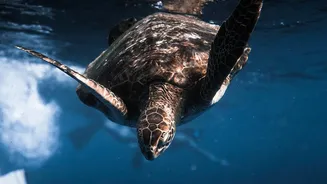
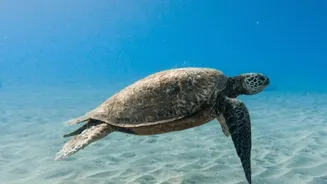
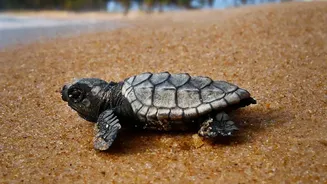
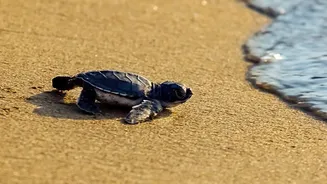
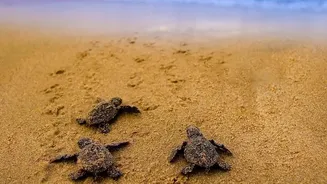
Goa’s beaches are vital nesting grounds for Olive Ridley turtles, a species classified as vulnerable and given the highest level of legal protection in India. For years, a handful of beaches like Morjim and Agonda were formally recognised as nesting sites, but conservationists and the forest department argue that turtles often nest on other beaches as well. Unregulated tourism, artificial lighting from beach shacks, loud music, and physical structures on the sand can disorient and deter nesting turtles, and threaten the survival of hatchlings. The National Green Tribunal (NGT) has repeatedly pulled up state authorities for failing to control illegal constructions and activities that damage these fragile coastal ecosystems.
Demystifying the CRZ Designation
The Coastal Regulation Zone (CRZ) rules are designed to protect India's coastline. Declaring these beaches as turtle nesting sites would likely bring them under CRZ-I, the most ecologically sensitive and strictly regulated category. Activities in CRZ-I areas are severely restricted. This would mean tighter controls on beach shacks, a ban on temporary or permanent structures within a certain distance of the high tide line, and restrictions on artificial lighting and vehicle movement, especially during the nesting season from October to May. The goal is to keep the beaches as undisturbed as possible to provide a safe environment for turtles to lay their eggs and for hatchlings to make their way to the sea.
The Impact on Local Livelihoods
The proposal has sparked significant concern among local communities who depend on beach tourism. Shack owners, fishermen, and others in the hospitality industry worry that expanded restrictions could cripple their livelihoods. Representatives from the Shack Owners Welfare Society have voiced fears that declaring so many popular beaches as protected zones is impractical and could devastate the local economy. They argue that while they support turtle conservation, a balance must be struck. Fishermen are also concerned that their traditional activities could be hampered. Stakeholders are seeking clarity from the government on the exact nature of the proposed restrictions and are pushing for a solution that allows conservation and livelihoods to coexist.
What Happens Next?
The forest department's proposal is now with the environment department and the Goa Coastal Zone Management Authority (GCZMA) for consideration. This is the first step in a longer administrative process. The proposal will need to be formally accepted and integrated into the state's Coastal Zone Management Plan. This will likely involve public consultations and heated debates, given the economic stakes. The GCZMA has a history of navigating legal challenges from both environmental groups and commercial interests over its decisions. The final outcome of this proposal will set a crucial precedent for how Goa manages the delicate balance between its booming tourism industry and the preservation of its unique natural heritage.