





The Wisdom of Seasonal Eating
The arrival of Shravan coincides with the peak of the monsoon, a time when, according to Ayurveda, our digestive fire, or 'agni', is at its weakest. The humidity and lack of sunlight can slow down metabolism, making our bodies more susceptible to infections.
The dietary guidelines for Shravan are designed to counteract this by promoting light, clean, and easily digestible foods. This system, known as 'Sattvic' eating, aims to keep the body light and the mind calm. It’s a holistic approach that gives the digestive system a much-needed rest, helping to detoxify the body and boost immunity.
What to Welcome on Your Plate
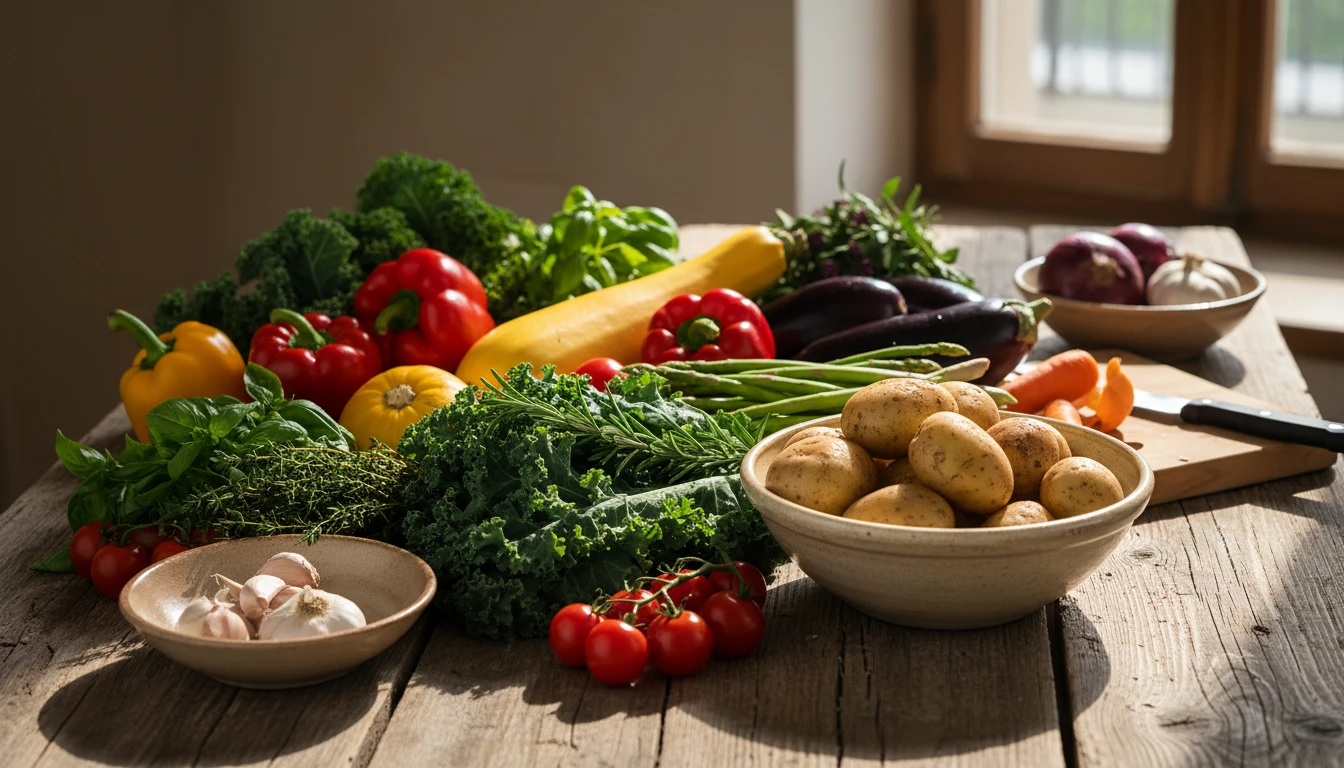
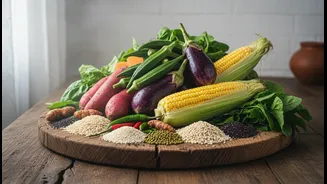
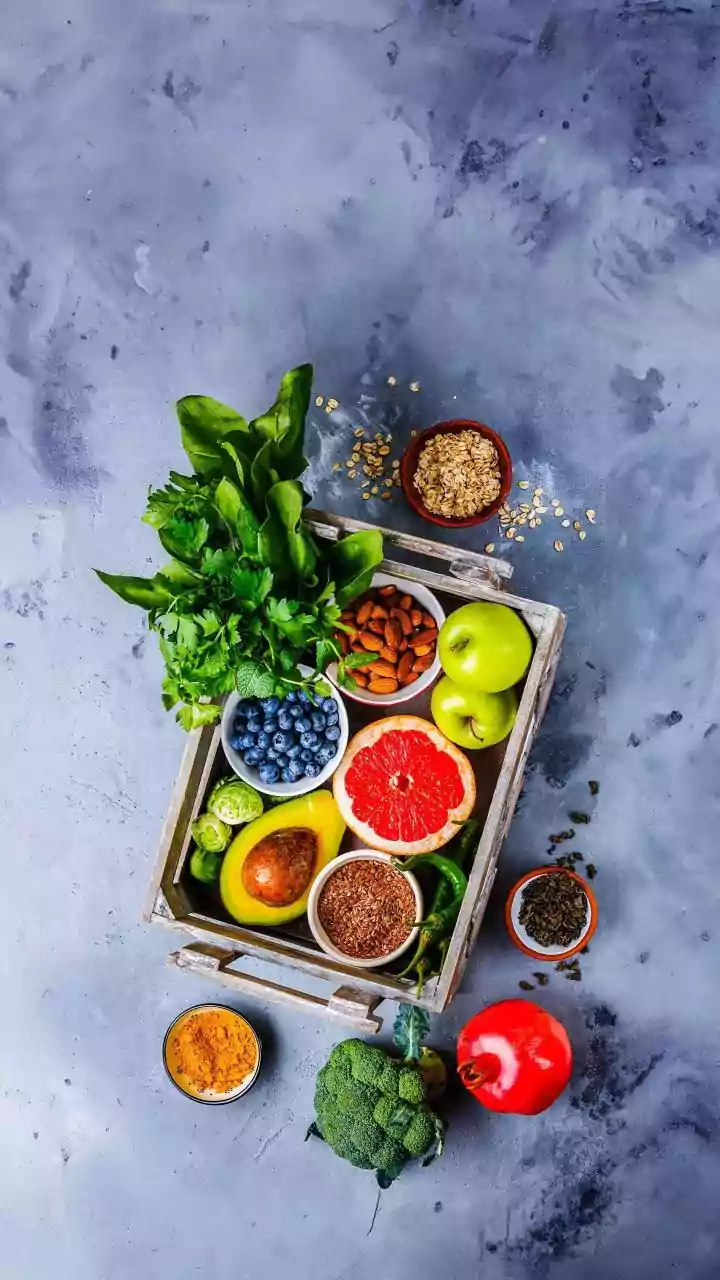
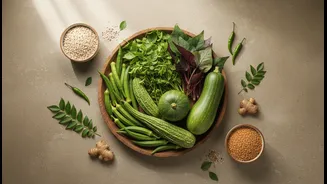
The Shravan plate is rich in specific ingredients that are both nourishing and easy on the gut. Flours like kuttu (buckwheat), singhara (water chestnut), and rajgira (amaranth) replace heavier grains like wheat. These are often used to make rotis, puris, and cheelas. Sabudana (tapioca pearls) and samak rice (barnyard millet) are other popular staples, perfect for making khichdi, vada, or kheer. For vegetables, the focus is on those that grow above the ground and are less prone to contamination from waterlogged soil. Bottle gourd (lauki), pumpkin, and raw banana are excellent choices. Dairy products like milk, curd, and paneer provide essential protein and are widely consumed. Fruits, especially seasonal varieties like apples and bananas, along with dry fruits and peanuts, offer a steady supply of energy. For seasoning, sendha namak (rock salt) is used instead of regular table salt, and warming spices like cumin, black pepper, and ginger are preferred.
Foods to Avoid for Better Health
Just as important as what to eat is what to avoid. Leafy green vegetables like spinach and lettuce are generally avoided during this season. Growing close to the damp ground, they have a higher risk of contamination from mud and bacteria that can be difficult to wash off completely. Heavy, deep-fried foods, though tempting on a rainy day, are best restricted as they can lead to bloating and indigestion when the digestive system is already sluggish. Non-vegetarian food, alcohol, onions, and garlic are also traditionally excluded. The reasoning is both spiritual and practical; Ayurveda suggests these foods can be heavy on the system, and during monsoon, the risk of water-borne diseases from meat and certain root vegetables increases.
The Science Behind the Tradition
Modern science increasingly validates the ancient wisdom of the Shravan diet. The avoidance of leafy greens and raw foods aligns with food safety principles, as high humidity fosters rapid bacterial growth. Switching to lighter grains and freshly cooked meals reduces the load on a weakened digestive system. Fasting or eating lighter meals gives the gut a chance to rest and rejuvenate, which can improve overall gut health and nutrient absorption. The emphasis on warm foods and spices like ginger and pepper helps stimulate digestion and has antimicrobial properties. Essentially, the diet is an intuitive and preventative healthcare system, designed to keep the body in harmony with the environmental challenges of the monsoon.
Simple Recipes for Your Shravan Kitchen
Embracing the Shravan diet doesn't have to be complicated. Simple, classic recipes can be both delicious and compliant with the guidelines. Sabudana Khichdi, tossed with peanuts and potatoes, is a quintessential fasting dish that is both filling and easy to make. Kuttu ki Puri, crispy buckwheat flatbreads, can be paired with a simple potato curry seasoned with cumin and green chillies. For a nutritious meal, Samak Rice Pulao, cooked with vrat-friendly vegetables and mild spices, is an excellent choice. If you're craving a snack, roasted makhana (fox nuts) or homemade fruit chaat are healthy alternatives to fried options. For dessert, a simple makhana kheer simmered in milk offers a touch of sweetness without being too heavy.