
In the endless search for meals that are healthy, easy, and genuinely satisfying, an ancient solution is hiding in plain sight. Enter khichdi, the humble Indian dish that masters the art of one-pot cooking and balanced nutrition.
The Ultimate Comfort Food
Khichdi (also spelled
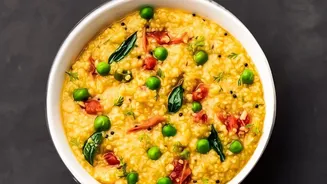
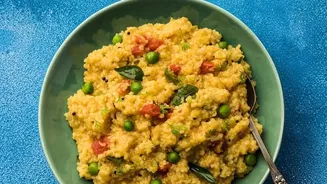
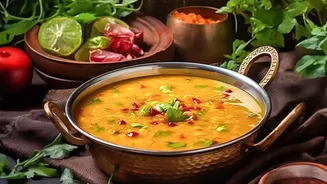
Kitchari) is, at its core, a simple porridge-like meal made by cooking rice and lentils together. Considered India's quintessential comfort food, it's the dish many turn to when feeling under the weather, thanks to its reputation for being exceptionally easy to digest. In many Indian households, it's one of the first solid foods given to babies and is a go-to meal for the elderly or anyone recovering from illness. Its history is ancient, with the name derived from the Sanskrit word 'khiccā,' which means a dish of rice and legumes. This isn't just sick-day food; it's a deeply nourishing and satisfying meal that forms a regular part of a healthy diet across the subcontinent.
The Science of a Complete Meal
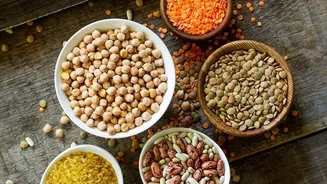
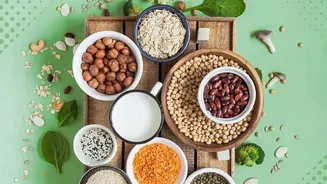
The magic of khichdi lies in a principle called protein complementation. Most plant-based foods are 'incomplete' proteins, meaning they lack one or more of the nine essential amino acids our bodies can't produce. Grains like rice are typically low in the amino acid lysine, while legumes like lentils are low in methionine. When you cook them together, they fill each other's nutritional gaps. The result is a complete protein profile, providing all the building blocks your body needs for everything from muscle repair to immune function. This combination also provides a balanced mix of carbohydrates for sustained energy and fiber for digestive health, making it a truly well-rounded meal in a single bowl.
Truly Minimal Effort
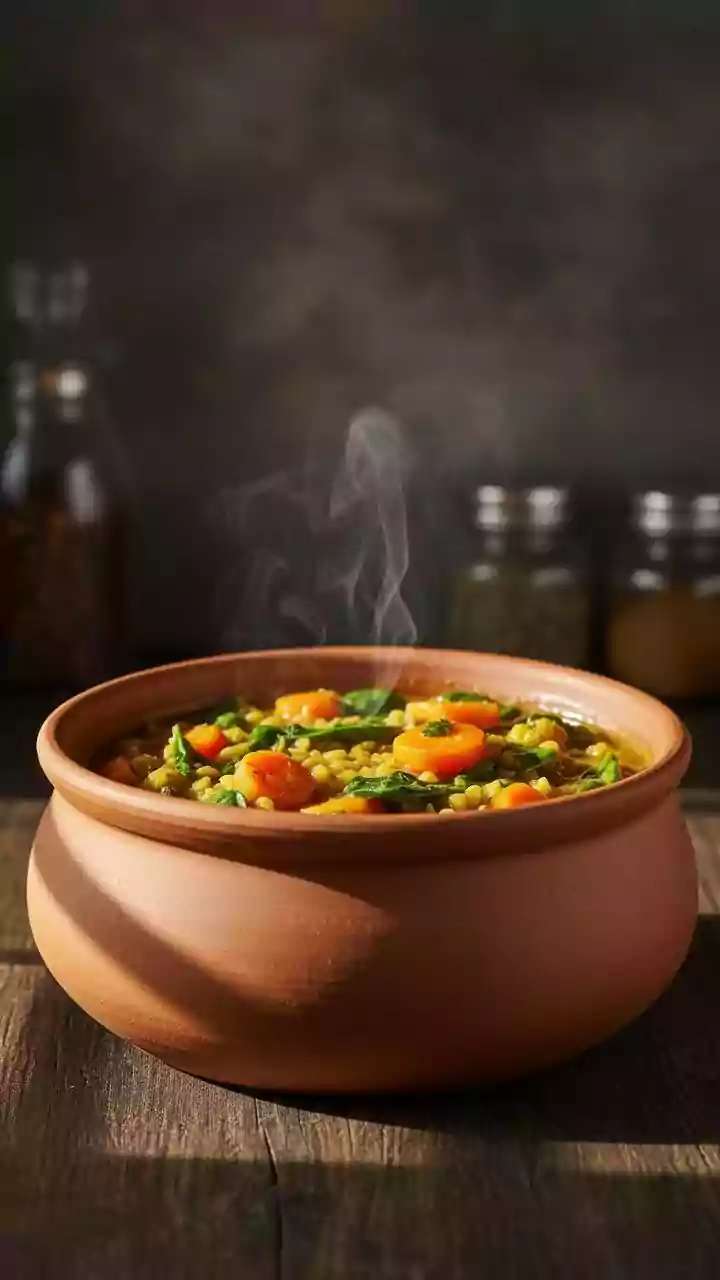
One of the dish's greatest appeals is its simplicity. True to the one-pot promise, making khichdi requires little more than a single pressure cooker or heavy-bottomed pan. The process is straightforward: rinse rice and lentils, toast some whole spices like cumin seeds in a bit of ghee or oil, add the grains, water, and turmeric, then cover and cook until everything is soft and melded together. Many recipes take under 30 minutes from start to finish. This low-effort, high-reward process makes it an ideal weeknight dinner or a simple, restorative meal when you don't have the energy for complex cooking.
A Canvas for Flavor and Health
While the base recipe is simple, khichdi is incredibly versatile. It serves as a perfect canvas for adding extra nutrients and flavor. You can toss in any vegetables you have on hand—like carrots, peas, spinach, or cauliflower—to boost its vitamin and mineral content. The flavor profile can be easily changed with different spices. A simple tempering (known as a 'tadka' or 'vagar') of ghee infused with spices like cumin, mustard seeds, and ginger can be poured over the top just before serving to elevate the dish. This adaptability means you can make it a hundred times, and it never has to be boring.
Beyond Khichdi : A One - Pot Tradition
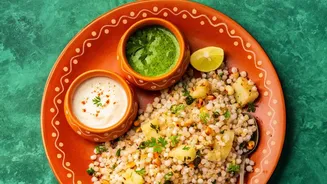
The principle of combining grains and lentils in one pot is a cornerstone of Indian regional cooking. In South India , Ven Pongal is a popular breakfast dish , similarly made with rice and moong dal but flavored distinctively with black pepper , cumin , and ginger . It 's known for providing sustained energy . Another example is Bisi Bele Bath from Karnataka , a more complex and spicy dish where rice and lentils are cooked with a special masala powder and a variety of vegetables into a rich , flavorful meal . These dishes , like khichdi , celebrate the same core idea : creating a complete , nourishing meal with maximum flavor and minimal fuss .