







The Great Urban Heat Exodus
The feeling is familiar and dreaded. As temperatures soar past 45°C in Delhi, Jaipur, and Chandigarh, life in the concrete jungle becomes a battle for survival. The air is thick with heat and pollution, forcing millions indoors and straining power grids.
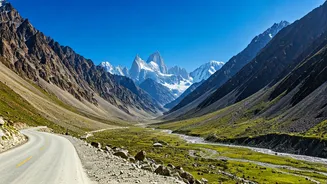
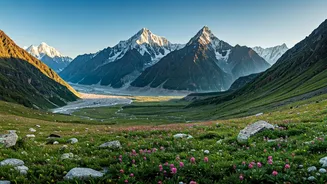
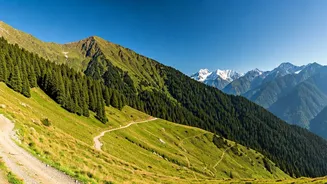
In this sweltering reality, the annual migration to the hills is no longer just a leisurely holiday; it's a desperate flight for breathable air and bearable temperatures. This year, the destination on everyone’s lips seems to be Lahaul. Once a remote, hard-to-reach district, it is now being touted as a potential haven, a ‘cool sanctuary’ from the climate crisis unfolding in the plains below.
The Atal Tunnel Game-Changer
What changed for Lahaul? The answer, in large part, is the Atal Tunnel. Inaugurated in 2020, this engineering marvel turned a treacherous, seasonal nine-hour journey over the Rohtang Pass into a swift, all-weather 30-minute drive. Suddenly, the pristine valleys of Lahaul and Spiti were not just accessible but easily reachable. The tourist numbers exploded. The tunnel effectively opened the floodgates, allowing a torrent of vehicles, tourists, and capital to pour into a region that was, until recently, largely isolated for half the year. This newfound accessibility is the primary driver behind its burgeoning reputation as the ultimate summer escape.
A Sanctuary Under Strain
The idea of a sanctuary, however, implies peace and preservation. The reality is far more complex. The massive influx is putting unimaginable pressure on Lahaul's fragile Himalayan ecosystem. Reports of traffic jams stretching for kilometres, once an urban nightmare, are now a common sight near the tunnel. Unregulated construction of hotels and homestays is scarring the landscape. Most critically, the region's resources are buckling. Water, a precious commodity in the cold desert, is becoming scarce. Waste management systems are overwhelmed by mountains of plastic left behind by visitors. The very qualities that make Lahaul a sanctuary—its clean air, pristine landscapes, and tranquillity—are being threatened by the sheer volume of people seeking them.
Work, Stay, and Complicate
This isn't just about fleeting tourism. The pandemic-era trend of ‘work from home’ has evolved into ‘work from mountains.’ A growing number of professionals from Delhi, Mumbai, and Bengaluru are setting up temporary bases in Lahaul for weeks or even months. They seek to trade their cramped city apartments for homestays with stunning valley views and reliable Wi-Fi. While this brings a new stream of long-term revenue for locals, it also accelerates the cultural and economic shifts. Rental prices are rising, putting a strain on local residents. This semi-permanent migration raises a critical question: is Lahaul becoming a climate haven for the privileged few who can afford to escape, and what is the cost for those who have always called it home?
The View from the Valley
For the local population, the boom is a double-edged sword. On one hand, tourism provides unprecedented economic opportunities in a region with limited agricultural options. Homestays, cafes, and taxi services are flourishing, bringing new prosperity. On the other hand, many elders and environmental activists are sounding the alarm. They see the rapid, unplanned development as a threat to their traditional way of life and the delicate ecological balance that sustains them. The fear is that Lahaul will go the way of other over-commercialised hill stations, losing its unique identity and environmental health in the pursuit of short-term economic gains. The 'sanctuary' for outsiders is fast becoming a source of anxiety for its inhabitants.