




What Exactly Is a Monsoon Bowl?
Think of the monsoon bowl less as a specific recipe and more as a philosophy. It’s a one-bowl meal designed to comfort you during the damp, grey days of the rainy season. At its heart, it’s a warm, brothy, and balanced assembly of ingredients that are
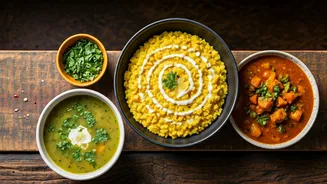
easy to digest and packed with flavour. It ditches the heaviness of fried snacks like pakoras and samosas for something lighter, yet deeply satisfying. It borrows from the wisdom of traditional Indian meals like soupy khichdi or a nourishing dal, but presents it in a versatile, contemporary format that you can customise to your heart's content. It’s the culinary equivalent of a warm hug on a cold, rainy evening.
The Perfect Antidote to Monsoon Gloom
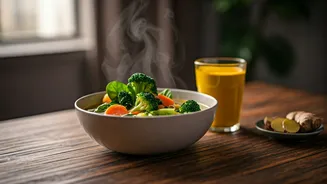
There's a reason warm, soupy meals feel so right during the monsoon. According to Ayurvedic principles, the rainy season can weaken our digestive fire (agni), making us more susceptible to indigestion and illness. Hot, cooked foods are gentler on the stomach than raw or cold items. Monsoon bowls are typically built around a warm broth or a light curry, which not only aids digestion but also helps keep you hydrated. Furthermore, they are an excellent vehicle for incorporating immunity-boosting spices like turmeric (haldi), ginger (adrak), black pepper (kali mirch), and garlic (lehsun), all of which are celebrated for their ability to help ward off seasonal colds and infections. This makes the monsoon bowl both a delight for the palate and a shield for your health.
The Anatomy of a Flavourful Bowl
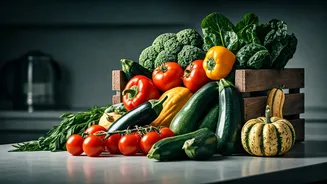
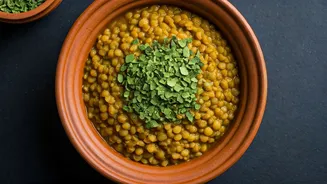
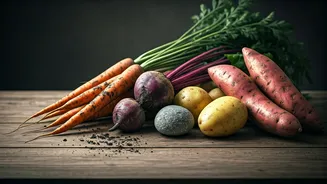
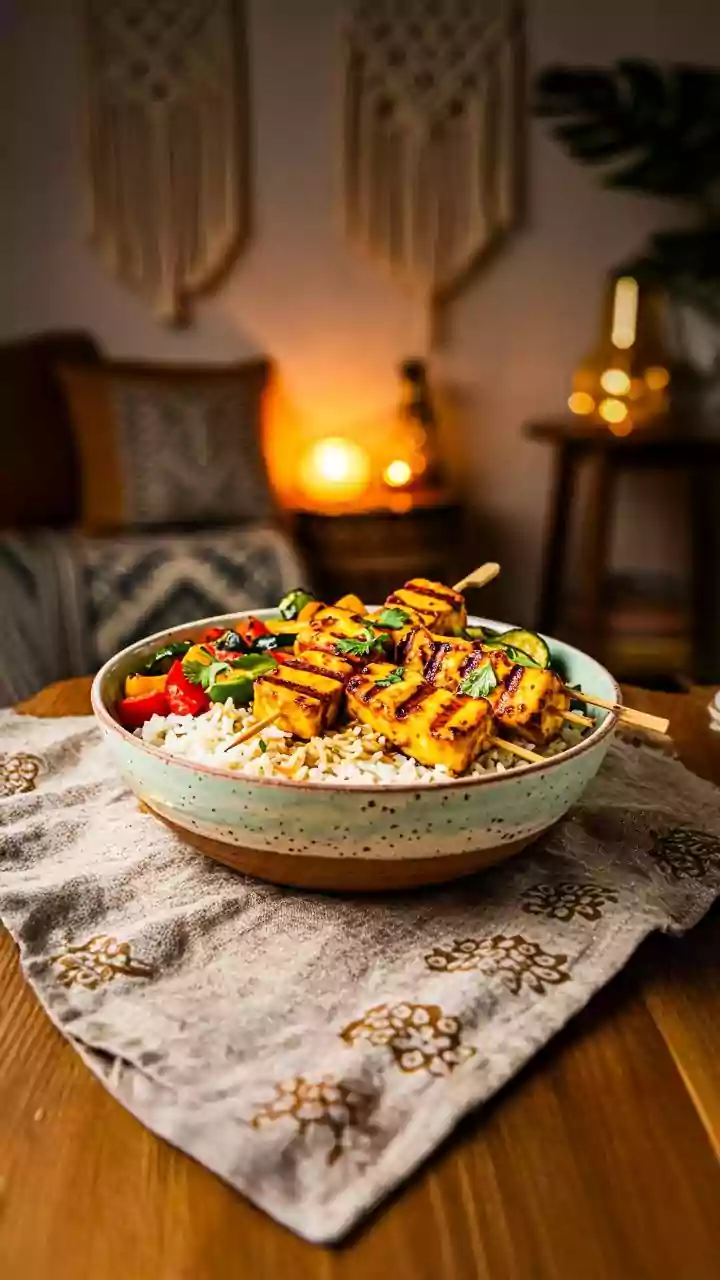
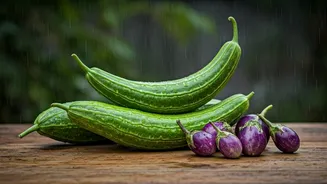
Building your own monsoon bowl is an exercise in creative comfort. There are no strict rules, only guidelines for a balanced and tasty meal. Start with a foundation of wholesome grains like fluffy quinoa, hearty millets, brown rice, or even simple noodles. Next, add your protein. This could be soft-boiled lentils (dal), chickpeas, kidney beans (rajma), or cubes of soft paneer or tofu. For non-vegetarians, shredded chicken or a boiled egg works beautifully. Then, load it up with cooked vegetables. Think seasonal and easily digestible options like carrots, spinach, mushrooms, sweet potatoes, and bottle gourd (lauki). The final, and perhaps most important, element is the liquid. This can be a clear vegetable broth, a fragrant rasam, a light coconut milk curry, or even a thinned-out dal.
Three Ideas to Get You Started
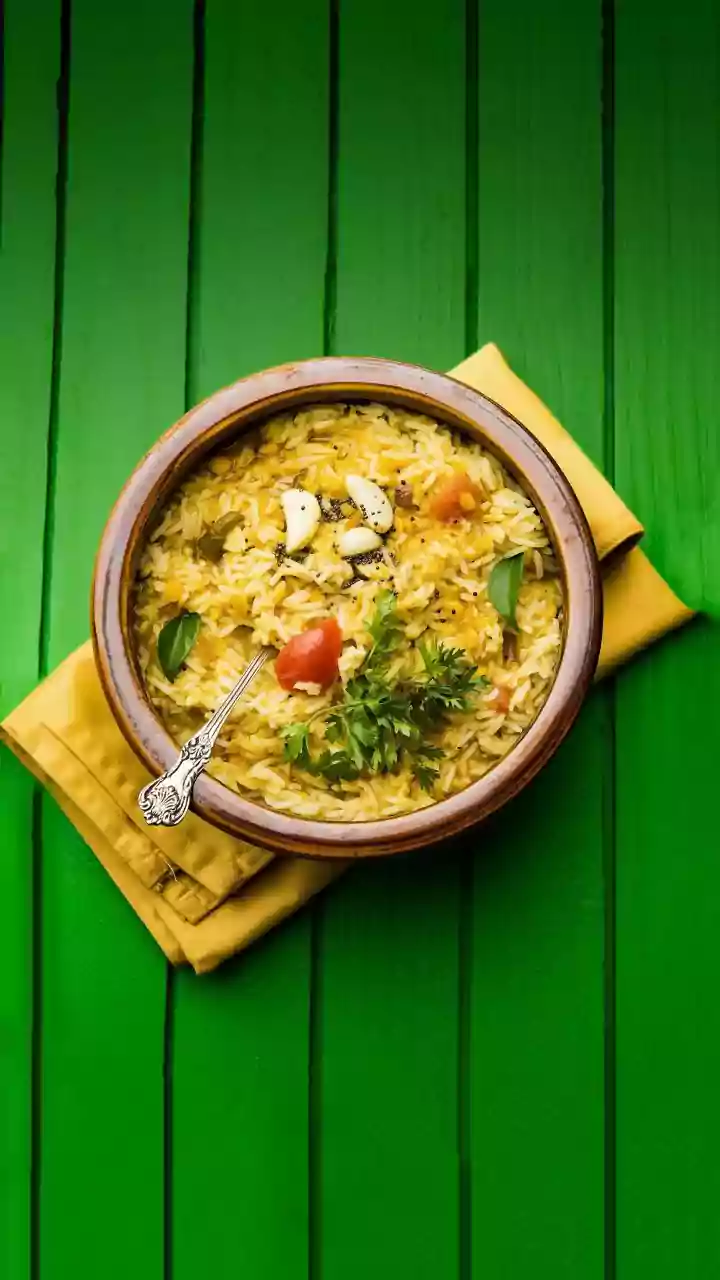
Feeling inspired but not sure where to begin? Try one of these simple combinations. 1. The Deconstructed Khichdi Bowl: A base of soft-cooked rice and moong dal, topped with steamed carrots and peas, a dollop of ghee, and a sprinkle of toasted cumin seeds. It’s classic comfort, reimagined. 2. The South Indian Inspired Bowl: Use a base of red rice or millets, and pour over a generous amount of tangy, peppery rasam. Top it with sautéed mushrooms, tempered mustard seeds, and fresh coriander. It’s zesty, light, and incredibly warming. 3. The Asian-Style Noodle Bowl: Start with cooked noodles in a ginger-garlic broth. Add blanched bok choy, steamed corn, cubes of tofu or shredded chicken, and finish with a dash of soy sauce and a sprinkle of spring onions. It's a quick, flavourful meal that feels both exotic and familiar.
Designed for Sharing
One of the best attributes of the monsoon bowl is its inherent shareability. The one-pot nature of the meal makes it incredibly easy to prepare a large batch when friends or family drop by unexpectedly to take shelter from a downpour. You can set up a simple "bowl bar" with the base, toppings, and broths laid out, allowing everyone to build their own perfect bowl. It’s a low-fuss, high-reward way of hosting that fosters conversation and connection. Sharing a warm meal while listening to the rain outside is one of the season’s simple joys, and the monsoon bowl is the perfect centrepiece for creating those cozy memories.