



The Unseen Health Hazard
Mould is a type of fungus that thrives in damp, warm, and poorly ventilated environments—conditions that are all too common in Indian homes after weeks of rain. It reproduces by releasing tiny, lightweight spores into the air, which can be easily inhaled.
For many, this leads to a range of health problems. Allergic reactions are common, presenting with symptoms like sneezing, a runny nose, itchy eyes, and skin rashes. For individuals with asthma, exposure to mould spores can trigger more severe attacks, leading to coughing, wheezing, and shortness of breath. Doctors in India have noted an increase in respiratory complaints during and after the monsoon, linking it directly to indoor dampness. Children and the elderly are particularly vulnerable to these effects.
Your Post-Monsoon Inspection Checklist
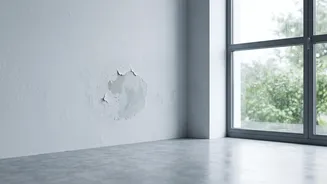
Finding mould requires a bit of detective work, as it often hides from plain sight. The most obvious sign is a musty, earthy smell, which indicates that mould is actively growing somewhere nearby. Visually, you might see black, green, or white patches on walls, ceilings, and furniture. Pay close attention to areas prone to moisture. Check behind wardrobes and cupboards, under sinks in kitchens and bathrooms, around window frames, and in corners where air circulation is poor. Peeling paint and water stains on walls or ceilings are tell-tale signs of a moisture problem that could be feeding a hidden mould colony. Use your sense of smell and sight to trace the problem to its source.
Safe and Effective Mould Removal
If you find a small patch of mould, typically less than 10 square feet, you can often handle the cleanup yourself. Before you begin, protect yourself by wearing an N-95 mask, rubber gloves, and goggles to avoid inhaling spores or getting them on your skin. To clean hard surfaces like walls and tiles, you can use a solution of soap and water. For more persistent mould, a solution of diluted white vinegar can be effective. Never mix cleaning agents, especially bleach with ammonia, as this can create toxic fumes. After cleaning, ensure the area is dried completely. For porous surfaces like fabric, wood, or drywall, removal can be more difficult, and heavily affected items may need to be discarded. If the mould problem is extensive, was caused by sewage, or if household members are experiencing persistent health symptoms, it is best to call a professional remediation service.
Winning the War on Dampness
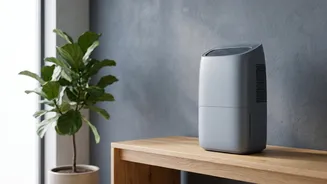
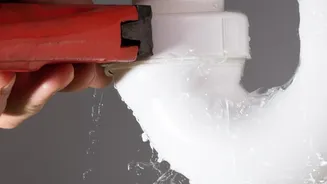
Cleaning up mould is only half the battle; preventing its return is key. The root cause of mould is always moisture, so controlling dampness is your most effective long-term strategy. Improve ventilation throughout your home by opening windows and doors for at least a few hours each day to allow fresh air to circulate and push out humid indoor air. Use exhaust fans in kitchens and bathrooms to vent moisture outside. In persistently damp areas like basements or closets, a dehumidifier can be an excellent investment to keep humidity levels below 50%. Finally, address the source of any water leaks, however minor. Fix leaky pipes, seal cracks in exterior walls, and ensure your roof and terrace have proper drainage to prevent water from seeping in during the next rainy season.