







Why Your Gut Is Vulnerable
The monsoon might be a feast for the eyes, but it can be a trial for your digestive system. The combination of high humidity and increased moisture in the air creates an ideal environment for harmful bacteria, viruses, and fungi to thrive. [6, 8] This
leads to a higher risk of food and water contamination. [6, 8] Furthermore, the humid weather can slow down our digestive processes, leading to issues like bloating, acidity, and indigestion. [6, 9] Your immune system can also take a hit, making you more susceptible to infections like diarrhoea and gastroenteritis. [2, 6] This is why being mindful of your diet is not just about avoiding sickness, but about actively supporting your body's ability to stay strong and healthy.
Embrace Cooked, Warm, and Light Meals
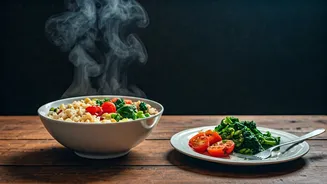
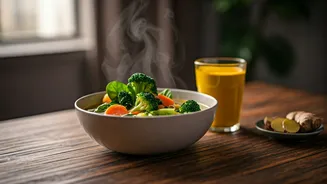
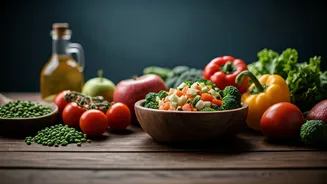
One of the golden rules for monsoon wellness is to favour freshly cooked meals over raw ones. [2, 10, 15] Cooking food at high temperatures helps kill harmful bacteria and germs that may be present on your produce. [9, 17] This is the season to fall in love with warm, comforting foods. Think light-on-the-stomach options like khichdi, dal, and vegetable pulao. [9, 19] Soups are another excellent choice; they are nutritious, easy to digest, and help keep you hydrated. [7] Incorporating spices like ginger, turmeric, and garlic not only enhances flavour but also provides anti-inflammatory and immunity-boosting benefits. [5, 15, 20] These spices aid digestion and can help ward off common colds and coughs. [5]
Navigating Fruits and Vegetables
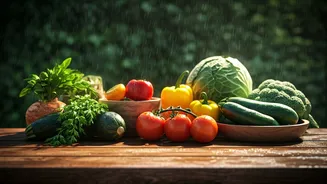
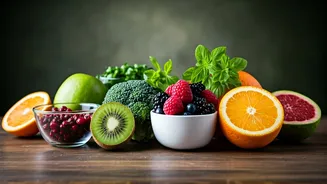
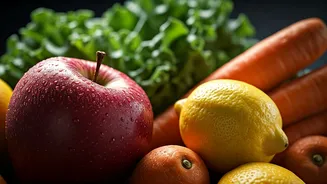
While fruits and vegetables are essential, you need to be selective. Leafy greens like spinach and cabbage can be risky as their leaves can trap dirt and microbes, making them difficult to clean thoroughly. [21, 23, 24] If you do consume them, ensure they are washed meticulously (perhaps in salt water) and cooked well, not eaten raw. [17, 22] It's wiser to opt for seasonal vegetables like bottle gourd (lauki), bitter gourd (karela), and pointed gourd (parwal), which are easier to clean and lighter on the stomach. [5, 21] When it comes to fruits, choose seasonal options like jamun, pears, and pomegranates. [5, 18] Always wash fruits thoroughly and avoid pre-cut fruits sold by street vendors, as they are highly susceptible to contamination. [8, 18]
Probiotics: Your Gut's Best Friend
A healthy gut is central to a strong immune system, and probiotics are the key to maintaining that balance. [16] Probiotic-rich foods contain beneficial live bacteria that help restore your gut flora, which can be disrupted during the monsoon. [2, 3] Traditional Indian staples like curd (dahi) and buttermilk (chaas) are excellent, easily available sources of probiotics. [3, 4] Including a bowl of curd with your lunch or a glass of chaas post-meal can soothe the stomach, aid digestion, and prevent bloating. [2, 3, 4] Other fermented foods like homemade pickles, idli, and dosa batter can also contribute to a healthy gut microbiome. [4, 12]
The Street Food Dilemma
The craving for hot pakoras and spicy chaat is almost synonymous with a downpour, but this is where maximum caution is needed. Street food poses a significant health risk during the monsoon due to the high probability of contaminated water and unhygienic preparation conditions. [8] Dishes with raw ingredients, chutneys, and anything containing local ice are particularly risky. [10, 18] If you must indulge, choose vendors who visibly maintain high standards of hygiene. [19] A safer bet is to recreate your favourite street food snacks at home. This way, you can control the quality of ingredients and ensure everything is cooked in clean, safe water, giving you the flavour you crave without the risk.