






More Than Just a Library
Forget the image of stuffy, silent libraries with hard wooden chairs. In Seoul, reading spaces are being reimagined as dynamic cultural hubs. Take the famous Starfield Library, located not in a quiet neighbourhood but in the heart of the bustling COEX
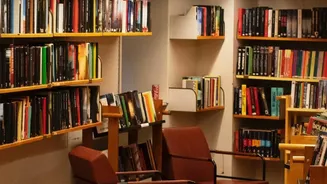
Mall. Its main features are towering 13-meter-high bookshelves that create a stunning visual, but its success lies in its accessibility and comfort. It’s an open-plan space where shoppers can wander in, sink into a plush armchair, and browse a magazine without the pressure of membership or silence. This model embodies the concept of a "third place"—a social environment separate from home and work. It successfully injects a dose of calm and culture directly into a commercial center, proving that spaces for quiet reflection don't need to be isolated from daily life.
Reading in the Open Air
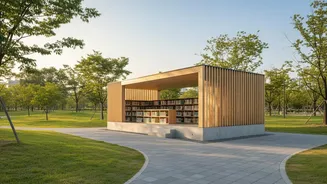
Seoul has taken this concept a step further by removing walls entirely. The Seoul Outdoor Library initiative transforms iconic public areas like Seoul Plaza and Gwanghwamun Square into open-air reading rooms. These are not one-off events but consistent, seasonal installations complete with beanbags, sun parasols, and mobile bookshelves. Launched in response to a desire for safe, restful public spaces after the pandemic, the initiative has been a resounding success. The goal was to lower the barrier to entry for reading and create informal, welcoming environments that encourage people to engage with books and each other. With millions of visitors, high satisfaction rates, and dozens of other cities in South Korea adopting the model, it shows a powerful public appetite for accessible culture.
A Treasure Trove for the Community
Not all of Seoul’s innovative spaces are grand gestures. The Seoul Book Bogo, which translates to “a treasure trove of books,” offers a different, more community-focused model. Housed in a former warehouse, it brings together dozens of secondhand booksellers, giving them a new platform while offering the public access to over 120,000 used books. The space is intentionally designed for lingering, with distinct zones for browsing rare books, reading donated collections, and discovering independent publications. With a cafe and ample seating, it’s a place for a relaxing afternoon of discovery, not a quick transaction. It also functions as a cultural complex, hosting talks and exhibitions, further cementing its role as a neighbourhood hub.
The Philosophy of Comfortable Design
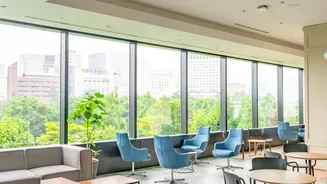
Underlying this trend is a deliberate civic philosophy: that comfort is not a frivolous extra but a crucial component of functional public design. In a dense, fast-paced city, providing spaces for rest and mental decompression is a vital public service. These reading areas are designed with human experience at their core. Details like varied seating options—from individual nooks to communal tables—warm lighting, and proximity to amenities like cafes create an atmosphere of welcome, not rigid institution. By making public spaces physically and psychologically comfortable, the city encourages people to slow down, connect with their surroundings, and engage in their community. It’s a recognition that the livability of a city is measured not just by its efficiency, but by its ability to provide moments of peace and enjoyment for its citizens.