








Beyond Paneer and Potato
For decades, vegetarian dining in many Indian restaurants, especially those serving non-Indian cuisines, often felt like an afterthought. The options were predictable: paneer in a generic gravy, a mixed vegetable stir-fry, or a potato-based patty. While
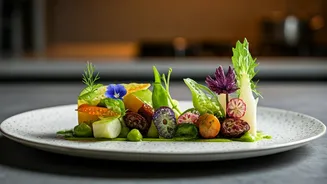
India has a rich heritage of vegetarian cuisine, the 'modern' or 'global' plant-based offerings often lacked creativity. That era is decisively over. Chefs are now looking beyond the usual suspects and exploring a vast, exciting world of plants. Ingredients like mushrooms, jackfruit, lotus stem, and a variety of gourds are taking centre stage, not as stand-ins for meat, but as stars celebrated for their unique textures and flavours. This isn't just about finding a new vegetable; it's about a fundamental shift in philosophy from 'what can we remove?' to 'what can we create?'.
The Science of Deliciousness
The secret to this upgrade lies in technique. Chefs are borrowing methods traditionally reserved for meat and applying them to vegetables with stunning results. Smoking, charring, grilling, and slow-roasting are being used to coax out deep, complex flavours from humble ingredients like carrots and beets. Fermentation is another game-changer. Techniques involving koji (a type of fungus used to make soy sauce and miso), kombucha, and house-made vinegars are being used to create umami—that savoury, mouth-filling taste that makes food so satisfying. By aging vegetables or creating plant-based 'charcuterie', chefs are building layers of flavour that were previously thought to be impossible without animal products. This scientific approach to flavour development is turning simple plants into culinary powerhouses.
Global Inspiration, Local Heart
This new wave of plant-based cooking is deeply influenced by global trends but firmly rooted in the Indian palate. You might see a pulled jackfruit taco that uses classic Indian spices, or a mushroom galouti kebab so soft and flavourful it rivals the original. Chefs are using ingredients like aquafaba (the liquid from a can of chickpeas) to create airy mousses and meringues, and nut milks to make creamy, rich sauces without dairy. The focus is on textural contrast and bold flavours. A dish might feature a creamy cauliflower purée, topped with crispy fried onions and a tangy tamarind glaze. It’s this thoughtful combination of textures and tastes—creamy, crispy, tangy, spicy, savoury—that makes these new plant-based dishes so compelling and satisfying for diners who are used to complex flavour profiles.
Driven by the 'Flexitarian'
Interestingly, this revolution isn't just being driven by vegans and vegetarians. The biggest force is the 'flexitarian'—someone who eats a primarily plant-based diet but occasionally includes meat. These diners aren't looking for a compromise; they are looking for delicious, interesting, and healthier food. They demand dishes that are as thoughtfully conceived and skilfully executed as any meat-based option on the menu. This growing consumer segment has pushed restaurants to elevate their game. Offering a boring pasta or a simple dal is no longer enough. Restaurants now see their plant-based menu as a space for innovation and a way to attract a wider, more discerning audience that values creativity and sustainability.