







Why Are Global Oil Prices Climbing?
The primary driver behind the recent surge in oil prices is geopolitical instability. Ongoing conflicts and tensions in West Asia have led to significant disruptions in the global oil supply. Specifically, Iran's closure of the Strait of Hormuz, a critical
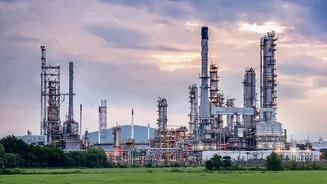
channel through which about 20% of the world's oil passes, has created immense volatility. This disruption, coupled with new economic sanctions, has rattled markets and sent Brent crude prices soaring above $90 a barrel. For India, which imports over 85% of its crude oil, these international events have a direct and immediate financial impact. The situation is further complicated as discounts on Russian oil, which had previously provided some relief, are shrinking. This combination of factors means the cost for Indian refiners to procure crude oil is rising sharply, a cost that inevitably trickles down.
From Crude to Consumer: The Price at the Pump
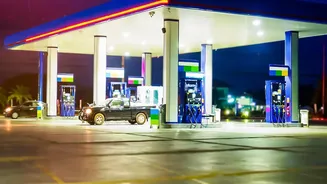
The journey from a barrel of crude oil to the petrol or diesel in your vehicle's tank is not straightforward. The final retail price you pay is influenced by more than just the global crude price. It includes the cost of refining, transportation, and dealer commissions. Crucially, a significant portion of the price is made up of central and state government taxes. While the Indian government has at times absorbed some of the price shock to prevent steep hikes, this is not a sustainable solution. As international prices remain high, pressure mounts on oil marketing companies to pass the increased cost onto consumers. This is why, even when global prices dip slightly, you may not see an immediate or proportional drop at your local petrol pump. Another key factor is the currency exchange rate; since India buys crude in US dollars, a weaker rupee makes every barrel more expensive.
The Impact on Air Travel
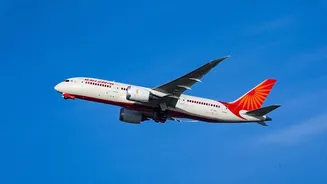
For air travellers, the impact of rising oil prices is felt through hikes in Aviation Turbine Fuel (ATF). Fuel can account for up to 40% of an airline's operating costs, so any spike directly impacts their bottom line and, consequently, ticket prices. In response to the high ATF prices, many Indian airlines have increased fuel surcharges on both domestic and international flights. For instance, surcharges for domestic routes have been raised based on distance, while long-haul international flights have seen even steeper increases. Geopolitical tensions also force airlines to take longer flight routes to avoid restricted airspace, which burns more fuel and further drives up operational costs. This has a direct effect on travellers, making what was once a ₹45,000 ticket to Europe now cost upwards of ₹80,000.
Your Road Trip and Daily Commute Budget
The most immediate and widespread impact of rising oil prices is felt by anyone who drives a car or rides a two-wheeler. A seemingly small increase of a few rupees per litre quickly adds up, making daily commutes and planned road trips more expensive. For example, a ₹3 per litre increase means a full 40-litre tank of petrol now costs ₹120 more to fill. This affects everything from the family's summer vacation budget to the monthly expenses of daily commuters. For those who rely on taxis or ride-hailing services, the fare increase is often passed on, making local travel costlier as well. The rising cost of diesel, which fuels much of the country's goods transport, also has an inflationary effect on a wide range of products and services.
How Can Travellers Adapt?
While you can't control global oil markets, you can make smarter travel choices to mitigate the impact on your wallet. For long-distance travel, consider trains, which often remain a more economical option compared to flying or driving. When planning a road trip, opt for destinations that are closer, perhaps within a 200-300 km range, to save on fuel. Planning your trips during the off-season can also lead to significant savings on flights and accommodation. For local travel, leveraging public transport like the metro can be a cost-effective alternative. Finally, booking flights and hotels well in advance can help you lock in prices before they increase further, and being flexible with your travel dates can open up cheaper options.