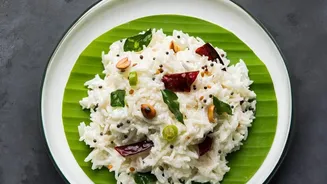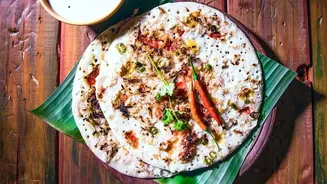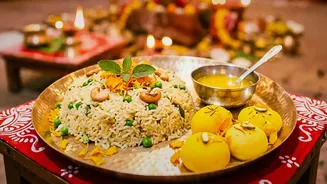






The Art and Science of Tadka
Known by many names—tadka, chaunk, vaghar—tempering is the foundational technique of heating whole or ground spices in fat, like ghee or oil, before adding them to a dish. This can be done at the beginning of cooking to build a flavor base for a curry,
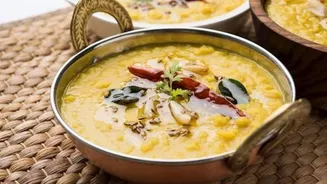
or as a final flourish poured over a finished dal or raita. The purpose is simple yet profound: to awaken the essential oils locked within the spices. Many of the aromatic compounds in spices are fat-soluble, meaning they release their deepest character not in water, but in hot fat. The infused oil then acts as a perfect vehicle, distributing that complex, layered flavor evenly throughout the entire dish, turning a simple meal into something extraordinary.
The Unspoken Rules of Tempering
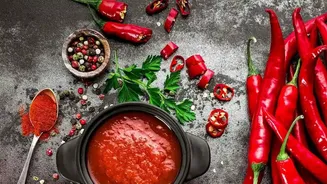
While it happens in seconds, tadka is far from random. It's a method governed by practical, time-honored rules. The sequence in which spices are added is critical, as each has a different tolerance for heat. First, the fat must be at the right temperature—hot enough to make the spices bloom, but not so hot that it smokes. Whole, hard seeds like mustard or cumin go in first. Often, cooks wait for the mustard seeds to crackle and pop, a sign the oil has reached the ideal temperature of around 180°C. Only then are more delicate ingredients like lentils (dal), dried chillies, and finally, easily-burnt ground spices like asafoetida (hing) or turmeric added. Getting this order wrong can result in raw, under-developed flavors or a bitter, burnt taste that can't be salvaged.
A Symphony of Flavor Chemistry
When spices hit hot fat, a fascinating chemical reaction begins. The heat ruptures the spices' tough cellular walls, releasing the volatile aromatic compounds trapped inside. These compounds, such as cuminaldehyde in cumin and various terpenes and phenols, dissolve into the fat. The high temperature can also trigger the Maillard reaction, a browning process that creates even deeper, more roasted flavors that wouldn't develop otherwise. This is why tempered spices taste so much more complex and powerful than raw spice powders simply stirred into a dish. It’s the difference between a whisper and a song, transforming a flat collection of ingredients into a harmonious, full-bodied culinary experience.
Unlocking Natural Medicinal Power
For centuries, Ayurveda has recognized that the way food is prepared is as important as the ingredients themselves. The tradition of tadka is a perfect example of this wisdom. The process does more than just enhance flavor; it makes the spices' medicinal properties more bioavailable. For instance, curcumin, the potent anti-inflammatory compound in turmeric, is notoriously difficult for the body to absorb on its own. However, because it is fat-soluble, blooming turmeric in hot oil during a tadka significantly increases its absorption. Similarly, many other spices used in tempering—such as cumin for digestion, fenugreek for blood sugar regulation, and mustard seeds rich in omega-3s—release their healing compounds more effectively through this process. The fat not only extracts these benefits but helps deliver them to the body.