








Beyond the Chatbot: What Are 'ChatGPT Sites'?
For years, artificial intelligence felt like something you talked to. Now, it’s something you can build with. The concept of “ChatGPT Sites” represents a major evolution in no-code and low-code development, where the power of large language models (LLMs)
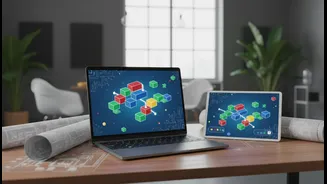
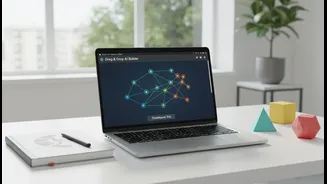
is used to create functional, data-driven web applications. Instead of just answering questions, the AI acts as a development partner. Users can describe a dashboard, client portal, or project tracker in plain English, and the platform translates that request into a working product. These tools connect to data sources like Google Sheets, Airtable, or internal databases, and then use an AI layer to build the interface and logic. This fundamentally changes who can create software, moving the power out of the hands of traditional developers and into the hands of those who actually need the tool.
From Prompt to Functional Prototype
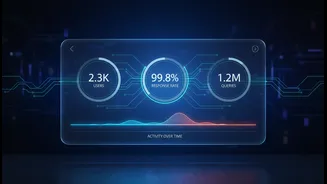
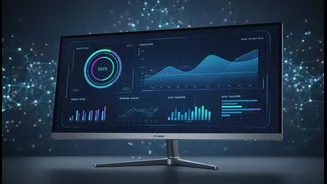
The process is surprisingly straightforward. It typically begins with a user providing data and a prompt. For instance, a small business owner might upload a sales spreadsheet and ask the tool to “build an interactive dashboard showing sales by region and product category, with a date filter.” The AI parses this request, analyzes the data structure, and generates a visual dashboard. Platforms like Glide, Softr, and Bubble have been leaders in the no-code space, and many are now integrating AI to accelerate this process. Even OpenAI has entered the field directly with a feature called Sites, which allows users to generate interactive web apps from a conversation within ChatGPT. This removes the technical barrier, allowing the focus to remain on the desired outcome rather than the complex code required to achieve it.
A Game-Changer for Students
In education, this technology is transforming how students learn and demonstrate their knowledge. Instead of just writing a paper on a business concept, a student can now build a functional prototype of an app that applies that concept. For a marketing class, they might create a dashboard analyzing fictional campaign data. For a computer science course, they can use LLM-integrated coding environments to get help generating ideas or debugging their work, making AI a creative partner rather than a shortcut. This hands-on approach bridges the gap between theory and practice, allowing students to build tangible projects for their portfolios, test ideas quickly, and develop valuable skills in a tool-assisted creation process that will dominate future workplaces.
Empowering the Modern Creator Economy
Content creators, from YouTubers to newsletter writers, are essentially small media businesses. Their success often depends on understanding their audience and providing exclusive value. AI-powered app builders offer a powerful way to do both. A creator could build a custom portal for their paid subscribers, offering exclusive content or tools. They could connect their channel analytics and build a dashboard that answers natural language questions like, “Which video topics drove the most subscriber growth last quarter?” This allows them to move beyond the standard analytics provided by platforms and create bespoke tools for analyzing their performance, managing their community, and ultimately, growing their business without needing to hire a data analyst or developer.
The Small Team's New Superpower
For small teams and startups, the biggest constraints are often time and budget. The need for custom internal tools—for tracking inventory, managing customer relationships, or monitoring project progress—is constant, but the resources to build them are scarce. This is where no-code AI builders have the most immediate impact. A small e-commerce company can build an inventory management app that syncs with their sales data in an afternoon. A service business can create a client portal where customers can track their project status, reducing the administrative burden on the team. These tools democratize software development, enabling teams to solve their own problems with custom solutions that are fast to build, easy to modify, and cost a fraction of traditional software development.