

A New Hue in the Garden City
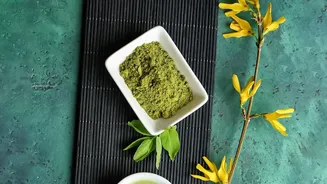
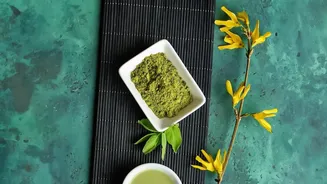
Walk through neighbourhoods like Indiranagar, Koramangala, or JP Nagar, and you'll notice a distinct shift in the city's beverage landscape. Beyond the familiar aroma of filter coffee and espresso, a new wave of cafés is dedicating itself to matcha, a finely
ground powder of specially grown and processed green tea leaves. Establishments like Sakura Matcha Bar, Ela Matcha, and Turtle Matcha are no longer just adding matcha lattes to their menus; they're building entire experiences around them. These minimalist, often aesthetically driven spaces invite patrons to slow down and appreciate the drink, moving it from a quirky alternative to the main event. This trend is part of a broader evolution in Bengaluru's food scene, which has seen a surge in niche and experience-based dining, from artisanal bakeries to hyperlocal ingredient-focused restaurants.
The Wellness Factor: A Calmer Caffeine Fix
A significant driver of matcha's popularity is its health narrative. Unlike the sharp jolt of coffee, matcha provides a more sustained and balanced energy boost. This is attributed to L-theanine, an amino acid present in the tea that promotes relaxation and focus, counteracting the jittery side effects sometimes associated with caffeine. For a growing number of health-conscious Bengalureans, this makes matcha an attractive alternative. It’s packed with antioxidants—significantly more than regular green tea—and is linked to benefits like improved metabolism and mental clarity. In a city known for its demanding work culture, the promise of 'calm alertness' is a powerful draw, positioning matcha as a form of functional self-care.
An Instagrammable Experience
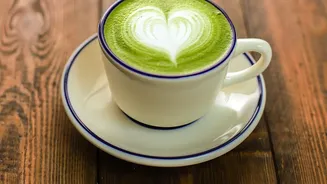
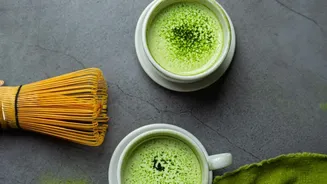
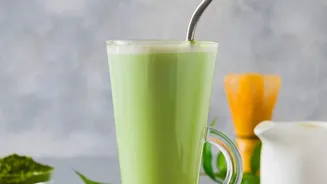
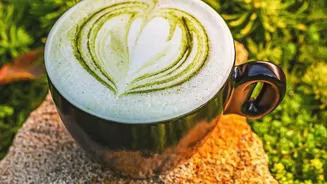
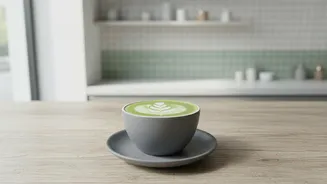
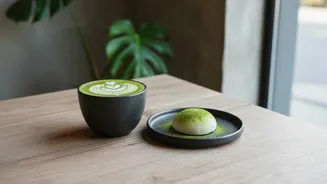
There's no denying the visual appeal. The vibrant green of a matcha latte, often swirled with white milk, is incredibly photogenic. In an era where dining choices are heavily influenced by social media, this aesthetic quality is a major asset. Young consumers, in particular, are drawn to experiences that are not only tasty but also shareable. The cafes themselves are often designed with this in mind, featuring minimalist decor, clean lines, and good lighting that make for a perfect photo backdrop. However, the appeal goes beyond just a pretty picture. The ritual of preparing matcha, which often involves a traditional bamboo whisk called a chasen, adds an element of craft and ceremony that elevates it from a simple beverage to a cultural experience.
A Taste of Global Culture
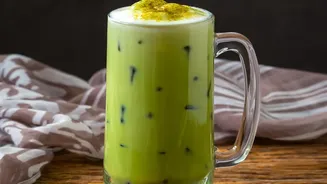
The matcha boom is intertwined with India's growing fascination with East Asian culture, particularly from Japan and Korea. Fueled by the widespread popularity of anime, K-dramas, and online content, urban Indians are more curious than ever about global flavours. Matcha, alongside dishes like ramen and sushi, has become a way to connect with this culture. Its integration into the Indian market reflects a broader shift where consumers are increasingly adventurous and open to experimenting with new tastes. Cafes are capitalizing on this by offering both traditional preparations and creative fusions, like strawberry or rose-flavoured matcha lattes, making the drink accessible to a wider audience.
What 'Specialty' Really Means
The term 'specialty' is key to understanding this trend. These cafes are not just serving any green tea powder. They focus on high-quality, often ceremonial-grade matcha sourced directly from regions in Japan like Shizuoka or Kagoshima. Unlike lower-grade matcha, which can be bitter, premium matcha has a complex flavour profile that is smooth, umami-rich, and subtly sweet. By educating consumers on these nuances and investing in proper preparation techniques, specialty cafes are distinguishing themselves from mass-market chains and cultivating a more discerning customer base. They are selling not just a drink, but an appreciation for quality and authenticity, turning a simple cup of tea into a premium experience worth seeking out.