

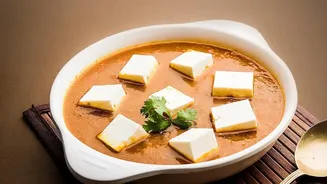
In the modern Indian kitchen, a quiet negotiation happens daily. It is the silent tug-of-war between the authentic, slow-cooked flavours of our grandmothers’ generation and the time-saving promise of a store-bought shortcut.
The Authenticity Dilemma
For many, the gold standard
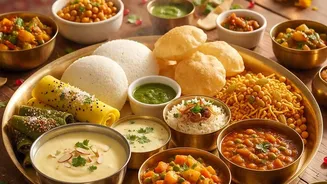
of Indian cooking is the taste of home—dishes prepared with patience, using freshly ground spices and techniques passed down through generations. This emotional connection to food creates a pressure to replicate those exact flavours, a task that feels increasingly difficult in an era of demanding jobs and packed schedules. The idea of using a pre-made paste or a packaged masala can feel like a compromise, a deviation from the 'correct' way of doing things. This has created a generation of home cooks who grapple with guilt, wondering if convenience comes at the cost of cultural integrity and that cherished 'haath ka swaad'—the unique taste of one's own hand.
Redefining 'From Scratch'
The narrative that our grandmothers did everything 'from scratch' is often a romanticised one. They too used efficiencies available to them, whether it was a community mill to grind wheat and spices or sun-drying vegetables for preservation. The core of authenticity in Indian cooking has never been about maximising manual labour, but about understanding and controlling the layers of flavour. Today’s shortcuts are merely a modern extension of that same principle. The intelligent home cook isn’t abandoning tradition; they are adapting it to ensure it survives. The goal is no longer to do everything by hand, but to protect the final taste of the dish.
The Smart Shortcut Strategy
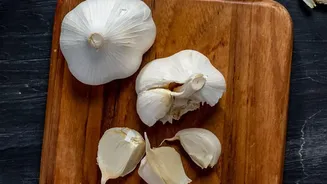
The key to this balancing act lies in a strategic approach. It's about knowing which corners to cut and which to protect at all costs. Certain shortcuts save immense time on laborious tasks without significantly compromising the end result. Good quality store-bought ginger-garlic paste, for instance, is a widely accepted convenience, saving precious minutes on peeling and grinding. Similarly, using frozen vegetables, pre-cut paneer, or high-quality tamarind concentrate can streamline the cooking process. These shortcuts tackle the preparation stage, freeing up the cook to focus on the more nuanced steps like 'bhunai' (sautéing) and getting the balance of spices just right—the stages where the real magic happens.
Where the Line is Drawn
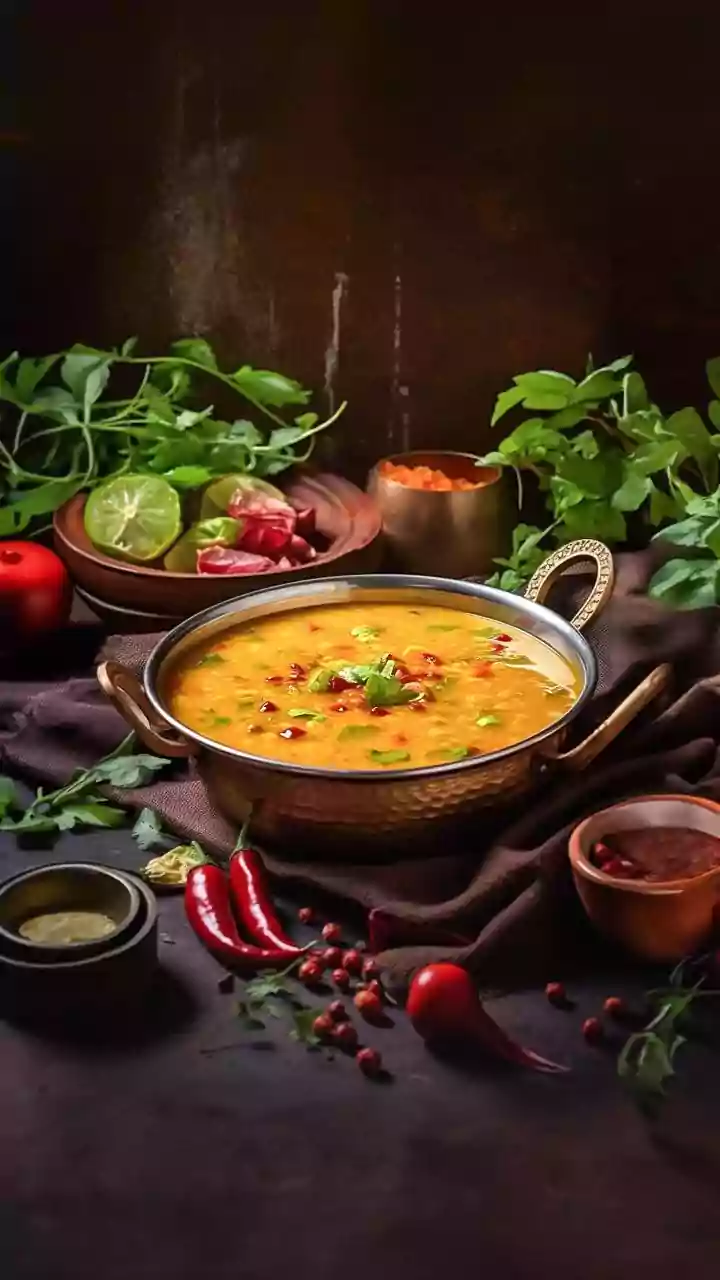
However, not all shortcuts are created equal. The Indian culinary community generally agrees that the soul of a dish lies in its masala. While simple powders like turmeric or chilli are fine to buy, complex spice blends like garam masala or sambar masala are a different story. Freshly roasted and ground masalas contain essential oils that deliver unparalleled aroma and depth, something that mass-produced powders sitting on a shelf for months cannot replicate. Using a generic, lowquality 'curry powder' or a premade curry base can flatten the unique, regional character of a dish, merging distinct flavours into a monotonous taste. The most discerning cooks often make their own signature masalas in batches or buy from trusted smallbatch brands to preserve that authenticity.
The New Guardians of Tradition
Ultimately, the modern Indian home cook is not a sellout but an innovator. By making intelligent choices, they are ensuring that traditional recipes don’t become specialoccasiononly relics. They are keeping complex dishes on the weeknight table by, for example, using a storebought tomato puree but grinding their own fresh biryani masala. This hybrid approach ensures that the culinary heritage is alive, practiced, and passed on. It acknowledges that authenticity is not a rigid set of rules but a feeling, a taste, and a connection to one's roots. It’s about honouring the past while living firmly in the present.