


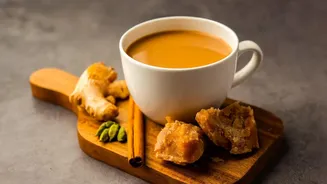
A Return to Roots
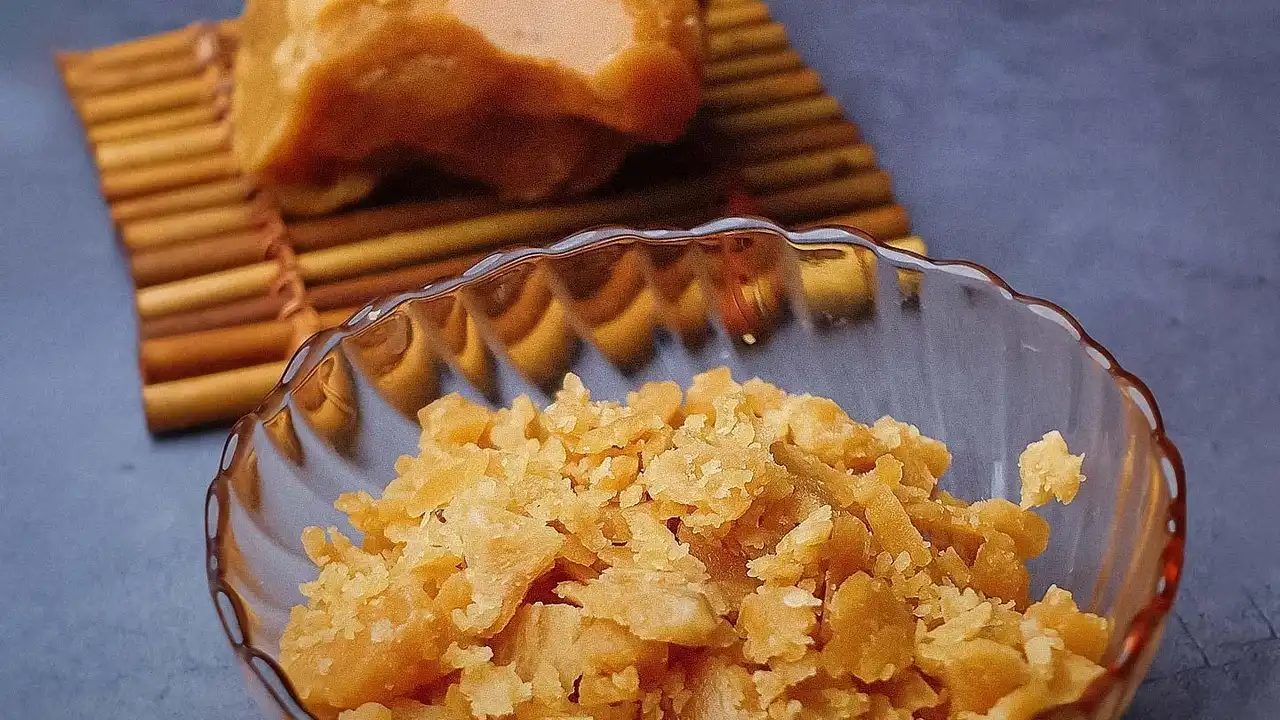
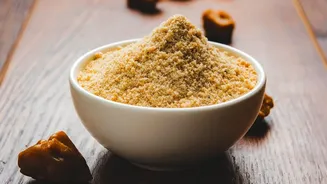
This shift isn't just about cutting calories; it's a conscious return to an ingredient that has been a staple in Indian households for centuries. Long before industrial processing made brilliant white sugar ubiquitous, 'gur' was the primary sweetener.
Today, driven by a greater focus on wellness and natural foods, home bakers are rediscovering its benefits. The market for natural sweeteners in India is expanding rapidly, with projections showing significant growth as consumers become more aware of the health risks associated with refined sugar, such as obesity and diabetes. This trend is about reconnecting with an ingredient that is not only unrefined but also packed with nutrients lost during the sugar manufacturing process.
More Than Just Sweetness
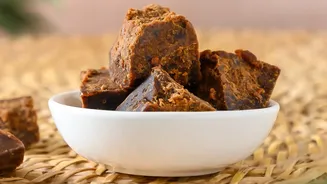
Unlike white sugar, which provides what many call 'empty calories', jaggery is a powerhouse of minerals. Made from concentrated sugarcane or palm sap, it retains iron, potassium, magnesium, and calcium. These minerals contribute to its reputation in Ayurveda for aiding digestion, purifying the blood, and boosting immunity. While the calorie count is similar to sugar, jaggery is a complex carbohydrate that releases energy more slowly, avoiding the sharp spikes and crashes associated with refined sugar. But the appeal isn't purely nutritional. Jaggery brings a complex, molasses-like flavour with caramel and earthy notes, adding a new dimension to desserts that plain sugar cannot replicate.
The Baker's Learning Curve
Switching to jaggery isn't always a simple one-to-one substitution. As a natural humectant, jaggery attracts and holds moisture, which can result in denser, moister cakes and cookies—often a desirable outcome. However, its form, whether a solid block or a powder, and its variable sweetness mean bakers need to adapt their recipes. Some experts suggest starting by replacing a portion of the sugar with jaggery or slightly reducing the liquid in a recipe to compensate for the added moisture. For liquid applications, creating a jaggery syrup by dissolving it in warm water is a popular technique. The result is often a baked good with a richer colour and a uniquely chewy texture.
From Kheer to Cheesecakes
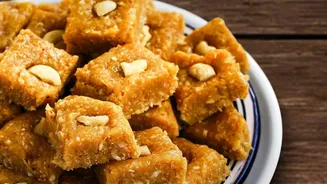
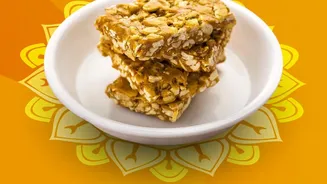
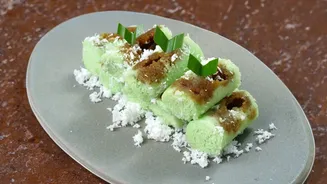
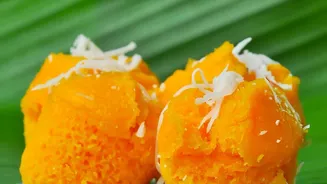
The creativity of home bakers knows no bounds. This trend sees jaggery being used in both traditional Indian sweets and modern Western desserts. Classic recipes like kheer, ladoos, and barfis are being reimagined with jaggery instead of sugar, giving them a more rustic and wholesome character. At the same time, bakers are infusing jaggery into banana bread, chocolate brownies, and even cheesecakes. This fusion approach is creating exciting new flavour profiles, such as cardamom shortbread made with jaggery or apple cinnamon cakes that get their warmth from both the spice and the sweetener. The versatility of jaggery allows it to shine in everything from a simple sweet rice dish to a sophisticated sorbet.
The Broader Sweetener Spectrum
While jaggery is leading the charge, it is part of a larger movement towards organic and natural alternatives to refined sugar. The Indian natural sweeteners market includes a variety of products, from other traditional options like palm sugar and coconut sugar to modern plant-based sweeteners like stevia and monk fruit. Each comes with its own flavour profile and properties. This growing interest reflects a collective desire among Indian consumers for clean-label products and a diet that supports long-term health, without sacrificing the joy of a sweet treat.