





The Science of Suffocation
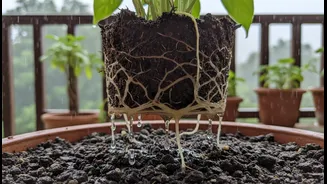
Plants need water, but their roots also need oxygen. When soil becomes completely saturated from excess rain, the water fills all the tiny air pockets that roots depend on to breathe. This lack of oxygen suffocates the roots, impairing their ability to absorb
nutrients and water. This condition, known as waterlogging, is the first step towards a much more serious problem: root rot. The anaerobic (oxygen-free) environment is a perfect breeding ground for fungal pathogens that cause roots to decay, turn brown, and become mushy. Once significant root rot sets in, the plant's vascular system is compromised, and it can no longer support itself, leading to a slow and often irreversible decline.
Overwatered vs. Underwatered: A Tale of Two Wilts
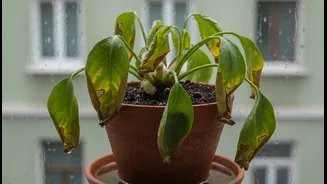
Paradoxically, a key sign of both overwatering and underwatering is wilting. This can be confusing, but the difference lies in the feel of the plant and the soil. An underwatered plant wilts because it lacks water; its leaves will feel dry and crispy, and the soil will be bone-dry. The good news is that these plants often bounce back dramatically after a thorough watering. An overwatered plant also wilts, but it’s because its rotting roots can no longer take up water, even though the soil is soggy. The leaves will feel soft and limp, not crispy. Other key signs of overwatering include yellowing leaves (often starting with lower ones), leaf drop, and even blisters on the stems and leaves called edema. Recovery from overwatering is far more difficult and less certain than from underwatering.
Protecting Your Garden Beds
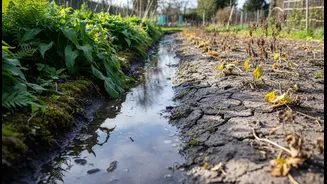
The best defense against excessive rain is good preparation. Improving your garden's drainage is crucial. One of the most effective long-term solutions is to amend your soil with organic matter like compost. This helps improve soil structure, creating more space for air and water to move freely. For heavy clay soils, this is particularly important. Building raised beds is another excellent strategy, as it physically lifts your plants' root zones above the soggiest ground. On a simpler level, applying a layer of organic mulch, like wood chips or bark, can help absorb some excess water and prevent soil erosion from heavy downpours. If you notice water pooling, you can even dig temporary trenches to channel water away from vulnerable plant beds.
Safeguarding Potted Plants
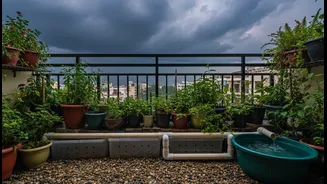
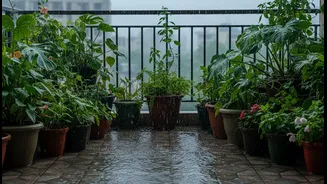
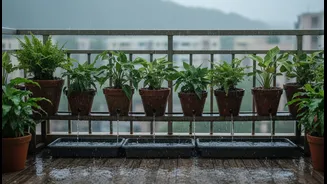
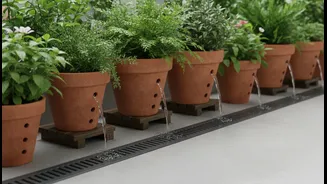
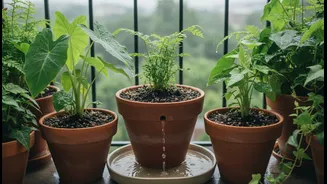
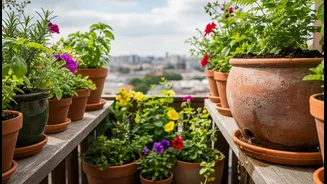
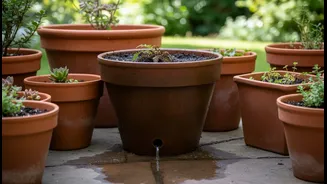
Container gardens are especially vulnerable to rainwater because their drainage is limited. The first and most obvious step is to ensure every pot has adequate drainage holes. If a pot is sitting in a deep saucer that collects rain, be sure to empty it promptly to prevent the plant from sitting in standing water. During periods of prolonged, heavy rain, the best course of action is often the simplest: move your pots to a sheltered location. A covered porch, patio, or even under the eaves of your house can offer enough protection to prevent the soil from becoming completely waterlogged. If you can’t move a large pot, you might consider tilting it slightly by propping up one side with a small block of wood to help excess water drain away more effectively.
How to Rescue a Waterlogged Plant
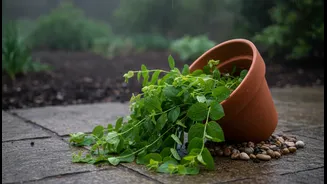
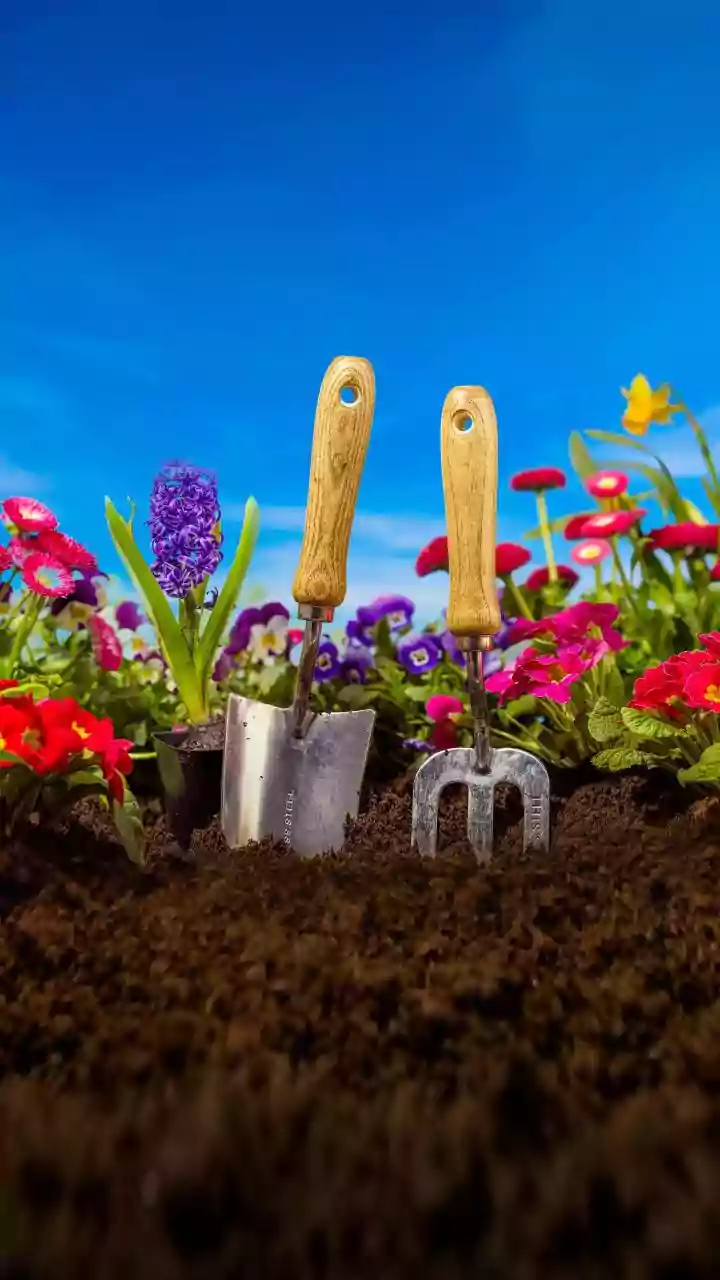
If you suspect a plant is suffering from overwatering, act quickly. For potted plants, the first step is to stop watering and move it out of the rain. If the soil is completely saturated, you may need to gently remove the plant from its pot to inspect the roots. Trim away any roots that are brown, black, or mushy using clean scissors, leaving only the healthy, white roots. Repot the plant in fresh, well-draining soil. You might even consider a terracotta pot, which is more porous and allows soil to dry out faster. For in-ground plants, the options are more limited. You can try to improve airflow by gently aerating the soil around the plant with a garden fork, being careful not to damage the main root ball. Raking back heavy mulch can also help the soil surface dry out more quickly.