






More Than Just a Home Gym
For years, the idea of a 'wellness' feature at home meant a treadmill in the corner or a set of dusty dumbbells. But a profound shift is underway. Today, a wellness space is less about burning calories and more about calming the mind. It’s a dedicated
area, whether an entire room or a quiet nook, designed to support mental, emotional, and spiritual health. Think of it as a personal retreat built into your floor plan—a place to decompress, disconnect, and recharge. This isn’t just about aesthetics; it’s about creating an environment that actively contributes to your well-being, responding to the growing awareness that our surroundings deeply impact our mental state.
Why the Sudden Mainstream Surge?
The roots of this trend stretch back, but the global pandemic was the catalyst that pushed it into the mainstream. As homes became offices, schools, and gyms overnight, the need for a psychological escape within our own four walls became urgent. The constant connectivity of work-from-home life led to a collective craving for a place to unplug. Furthermore, the heightened global focus on mental health has encouraged people to be more intentional about creating supportive environments. Designers and architects report a surge in client requests for meditation rooms, reading nooks, and tech-free zones. What was once a feature in high-end spas or luxury homes is now a common aspiration for everyday homeowners and renters seeking balance.
The Pillars of a Wellness Space
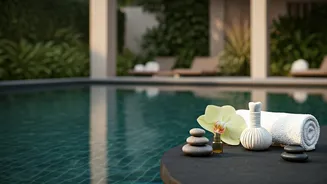
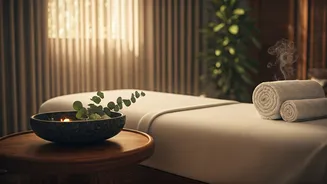
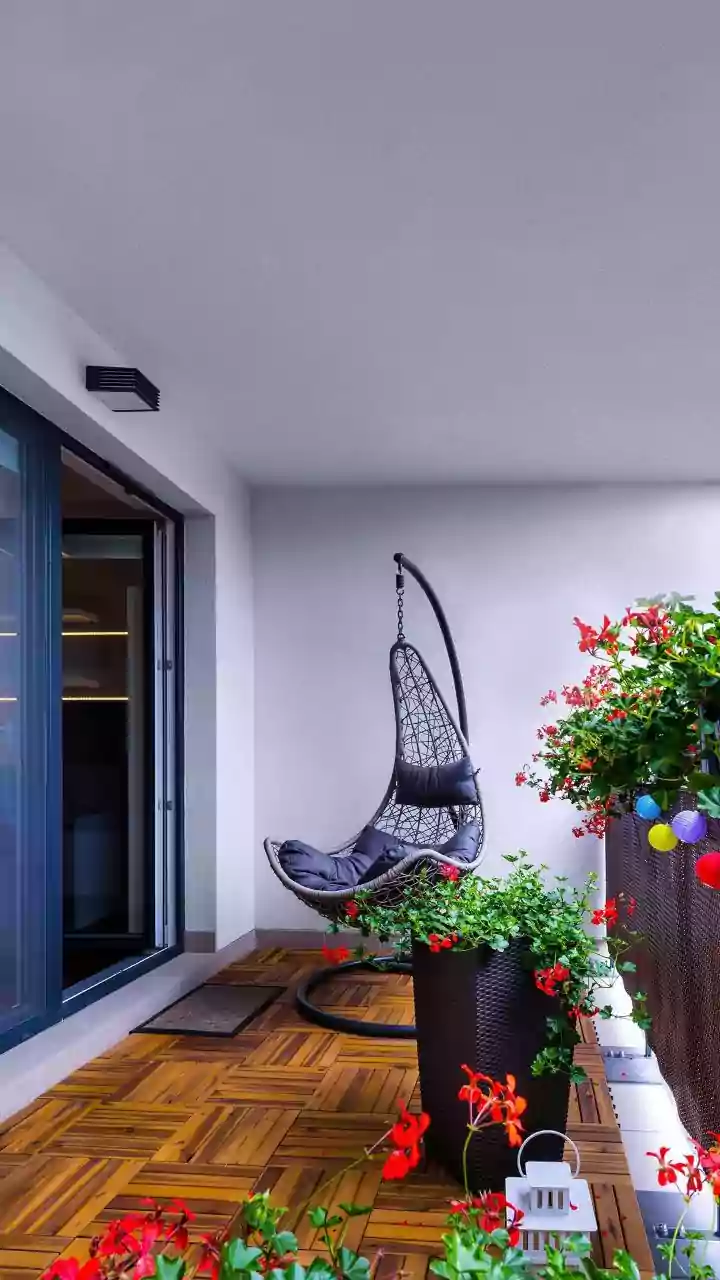
Creating a wellness-focused area isn’t about following a strict formula, but incorporating elements that resonate with you. Most successful spaces are built on a few key pillars. The first is a connection to nature, or biophilic design. This involves using natural materials like wood and stone, maximising natural light, and incorporating plenty of indoor plants to purify the air and provide a visual link to the outdoors. The second pillar is sensory calm. This means considering all the senses: soft, tactile fabrics, calming colour palettes (think blues, greens, and earthy neutrals), aromatherapy with essential oils, and even soundscaping with a white noise machine or a playlist of calming music. The goal is to create a holistic experience that signals to your brain it’s time to relax.
Designing for Disconnection and Mindfulness
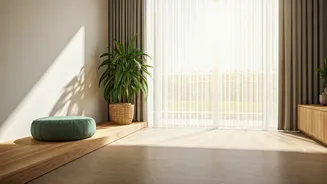
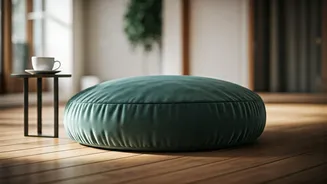
Perhaps the most crucial element of a modern wellness space is its function as a digital-detox zone. It should be a place where phones, laptops, and televisions are explicitly not welcome. This intentional act of disconnecting allows the mind to quiet down without the constant hum of notifications and emails. This space is then free to be used for mindful activities. For some, that means a yoga mat and bolsters for a gentle practice. For others, it’s a comfortable armchair and good lighting for reading. It could even be an empty, decluttered space with a simple cushion on the floor for meditation. The function is defined by what brings you peace, not by a catalogue-driven ideal.
Creating Your Sanctuary on a Budget
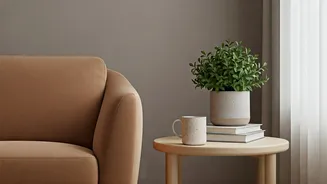
The beauty of this trend is its scalability. You don't need a spare room or a massive budget to create your own wellness corner. Start small. Identify an underused corner in your bedroom or living room. The first step is to declutter it completely; a clear space encourages a clear mind. Next, add a comfortable place to sit, like a floor cushion or a simple chair. Introduce a plant or two for a touch of green. A small side table can hold a candle, a journal, or a favourite book. Finally, define the space with a small rug. This simple act creates a visual boundary, signalling that this small area has a special purpose dedicated entirely to your peace and quiet.