




A Search for Functional Strength
For many, the modern gym experience has become a cycle of isolated exercises, focusing on aesthetics over ability. This has led a growing number of fitness enthusiasts to seek alternatives that offer something more: functional strength. This is strength for
real life, not just for lifting weights in a controlled environment. Traditional Indian training systems, designed for warriors and wrestlers, were built on this very principle. They don't isolate muscles; they teach the body to move as a single, powerful unit, developing balance, mobility, and endurance all at once. This holistic approach is resonating with people tired of the limitations of conventional workouts.
The Ancient Tools of Power
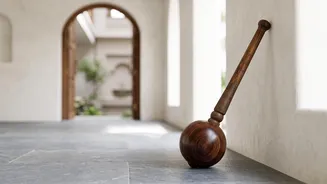
At the heart of this revival are unique training tools that have been used for centuries. The most iconic is the Gada, or heavy mace. Swinging the Gada builds formidable shoulder strength, a powerful core, and an iron grip, with its uneven weight distribution forcing the body to constantly stabilize. Then there are the Mudgars, or Indian clubs, which are swung in fluid patterns to enhance shoulder mobility and prevent injury. These aren't just weights; they are instruments that demand skill and coordination. Practices like Dand (Hindu push-ups) and Baithak (Hindu squats) build incredible muscular endurance with no equipment at all, proving that the body itself is the ultimate fitness tool.
From Akhada to Instagram
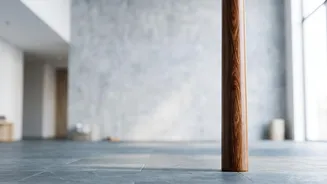
What was once the domain of pehlwans in traditional wrestling schools (akharas) is now accessible to a global audience. Fitness entrepreneurs and online coaches are popularizing these methods, rebranding Gada training as 'steel mace' workouts and incorporating Indian clubs into mobility routines. Social media is filled with videos of practitioners demonstrating the graceful power of Mallakhamb (gymnastics on a pole) or the dynamic movements of Kalaripayattu, an ancient martial art from Kerala often called the 'mother of martial arts'. This new visibility is demystifying the practices and making them attractive to a younger, digitally-native generation.
More Than a Workout, a Mind-Body Connection
Unlike the often mindless repetition of gym sets, traditional Indian workouts demand intense focus. The fluid, complex movements of Kalaripayattu or the rhythmic swinging of a Gada are meditative, requiring a deep connection between mind and body. This approach builds not just physical resilience but mental discipline and clarity. Promoters of these workouts emphasize that they train attention as much as they train muscle. Practitioners often report reduced stress and a greater sense of well-being, benefits that go far beyond physical appearance. This aligns perfectly with the modern wellness movement's emphasis on holistic health.
A Return to Cultural Roots
This trend is also a story of cultural reclamation. For many Indians, embracing these workouts is a way to connect with their heritage in a tangible and empowering way. After decades of looking to the West for fitness trends, there is a growing sense of pride in India's own rich history of physical culture. Government initiatives like the Khelo India programme have also helped by including indigenous sports like Mallakhamb, Gatka, and Kalaripayattu, giving them national recognition. It's a movement that's about strengthening identity as much as it is about strengthening the body.