




The Age of the Algorithm
For years, the default social media experience has been driven by complex algorithms. These systems analyse everything you do—every like, share, comment, and even how long you pause on a video—to build a profile of your interests. Their primary goal is
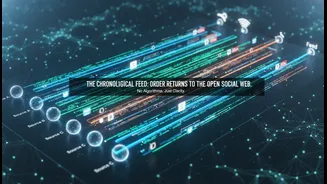
to show you content that will keep you engaged for as long as possible. Platforms argue this helps filter the massive amount of content available, delivering what's most relevant to you. In contrast, an algorithm-free feed is simply a return to the beginning: a reverse-chronological timeline where the newest posts from accounts you follow appear at the top. This straightforward approach puts control back in the hands of the user, replacing automated suggestions with a predictable and transparent content experience.
Reclaiming Your Attention
Algorithmic feeds often create a 'slot machine' effect, where the unpredictability of what comes next keeps users hooked and scrolling. This design can contribute to digital fatigue and a feeling of lost time. Studies have shown that when users switch to a chronological feed, they tend to spend significantly less time on the platform. An algorithm-free experience encourages more intentional usage; you can catch up on what's new and then log off with a sense of completion. By removing the AI-driven push for constant engagement, chronological feeds can foster healthier digital habits and reduce the mental strain associated with an endless, unpredictable stream of content.
A Fairer Field for Creators
For creators, especially those just starting, algorithmic feeds can feel like a lottery. Success often depends on creating content that is favoured by the platform's engagement-prediction engine, which tends to amplify already-viral content or established accounts. This can make it difficult for new or niche creators to build an audience, as their posts may not get the initial traction needed to be shown more widely. A chronological feed levels the playing field. It provides a direct and reliable way for creators to reach the people who have explicitly chosen to follow them. Success becomes less about gaming an opaque system and more about building a loyal community that actively looks for your content. When you post starts to matter again, giving creators more predictable control over their visibility.
Shifting the Balance of Platform Power
Ultimately, the choice between algorithmic and chronological feeds is about power. Algorithmic curation is the engine that drives the attention economy, allowing platforms to maximise user engagement and, consequently, ad revenue. By deciding what billions of people see, these platforms hold immense power to shape trends and public discourse. Offering an algorithm-free option, even if it isn't the default, is a significant concession. It hands a degree of control back to the user, disrupting the platform's ability to monopolise their attention. While most users may stick with the default algorithmic setting, the very existence of a choice challenges the idea that the platform always knows best. It signals a move toward a more user-centric digital environment, where individuals have more say in their online experience.