





Why Your Breath is a Superpower
Most of the time, breathing happens on autopilot. But when you pay attention to it, you tap into a powerful mind-body connection. Slow, intentional breathing activates your parasympathetic nervous system, often called the 'rest and digest' system. This
acts as a natural counterbalance to the 'fight or flight' stress response that many of us experience throughout the day. When you deliberately slow your breathing, you send a signal to your brain that it's safe to relax. This simple action can help lower stress hormones like cortisol, reduce your heart rate, and bring a sense of clarity to a scattered mind. The context is simple: your breath is a direct line to your body's innate calming mechanisms.
Finding Your Quiet Moments
The phrase 'breath awareness' can conjure images of silent, hour-long meditation, but it doesn't have to be that demanding. The goal is to find small pockets of time that already exist in your day. It could be the minute you spend waiting for your coffee to brew, the few moments in your car after you’ve parked, or the pause right before you join a video call. These transitional moments are perfect opportunities for a brief check-in. Instead of reaching for your phone, you can choose to simply notice your breath. Starting with just one or two minutes at a time is a sustainable way to build a new habit without feeling overwhelmed.
Exercise 1: The Basic Observation
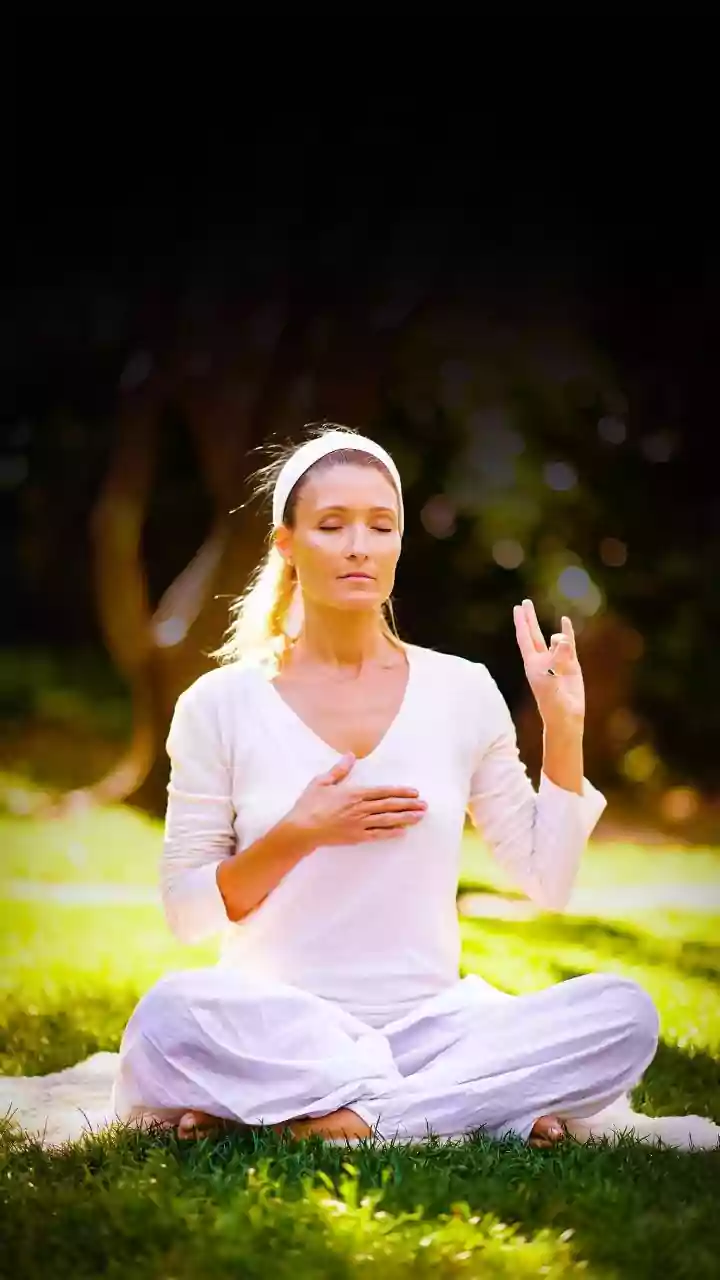
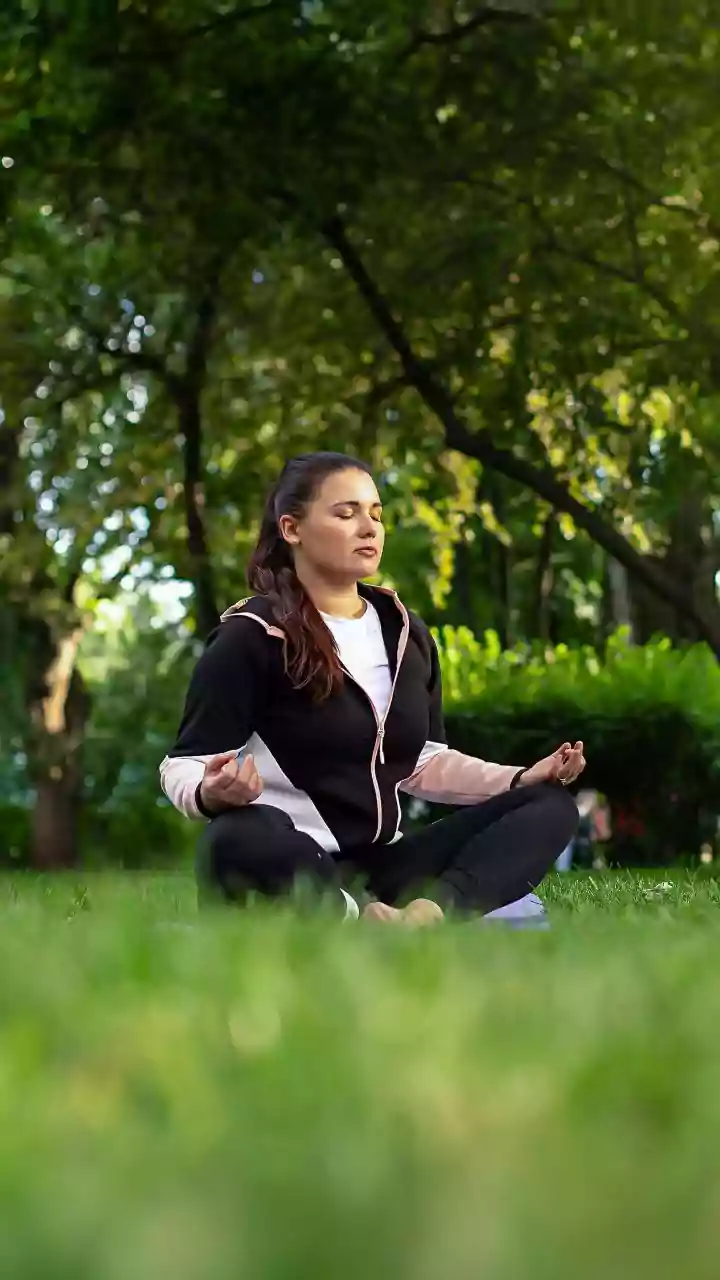
The foundation of all breath awareness is simple observation. You don't need to change anything at all. Find a comfortable position, either sitting or lying down. Close your eyes if it feels right for you. Bring your attention to the feeling of your breath moving in and out of your body. Notice where you feel it most vividly—is it the cool air at your nostrils, the rise and fall of your chest, or the gentle expansion of your belly? Your only job is to watch it, like a curious scientist observing a natural process. Don't judge it as 'good' or 'bad'. Just notice. Your mind will wander; that is completely normal. When it does, gently acknowledge the thought and guide your focus back to your breath.
Exercise 2: Box Breathing for Instant Calm
For moments when you feel particularly stressed or anxious, a structured technique like box breathing can be incredibly effective. It's easy to remember and gives your mind a simple task—counting—which helps distract from spiraling thoughts. The practice is named for its four equal sides. First, gently exhale all the air from your lungs. Then, follow this four-part pattern: 1. Inhale slowly through your nose for a count of four. 2. Hold your breath for a count of four. 3. Exhale slowly through your mouth for a count of four. 4. Hold your breath again for a count of four. Repeat this cycle three to five times. This rhythmic pattern is used by everyone from military personnel to athletes to regulate the nervous system and enhance focus.
A Note on Common Hurdles
As a beginner, you might face a few common challenges. Feeling sleepy is one; if you're very relaxed, you might doze off, which is okay. More commonly, you might feel frustrated that your mind won't stay quiet. Remember, mindfulness isn't about emptying your mind, but about noticing when it has wandered and gently bringing it back. Each time you return your focus to your breath, you are strengthening your attention muscle. For some, focusing on the breath can initially increase feelings of anxiety. If this happens, don't force it. Shift your focus to an external sensation instead, like the feeling of your feet flat on the floor or the sounds around you. The key is to be gentle and patient with yourself.