








A Monsoon of Two Extremes
The 2026 monsoon season has been a story of stark contrasts. While the overall national rainfall deficit has been a concern, hovering around 12% as of mid-August, that single number hides the real problem. Some regions have been grappling with floods
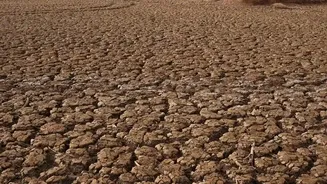
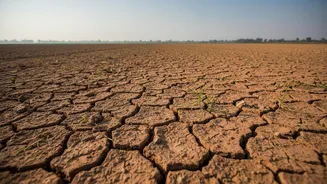
due to heavy downpours, while major food-producing states like Karnataka, Madhya Pradesh, and Andhra Pradesh are facing drought-like conditions. This isn't a simple case of a 'weak' monsoon; it's an 'uneven' one, where one area gets too much rain, damaging ready-to-harvest crops, and another gets too little, preventing seeds from sprouting. Experts point out that a few days of intense rain can't make up for long dry spells, as soil moisture quickly depletes, stressing the crops.
Which Crops Are Most Affected?
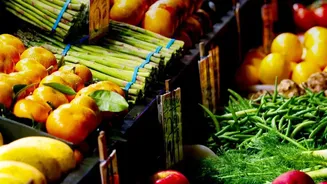
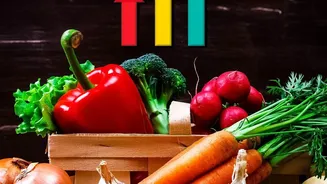
This erratic rainfall pattern has a direct impact on specific items in your shopping basket. The sowing of key Kharif crops like rice, tur (a major pulse), and maize was lagging behind last year's figures as of mid-August. Pulses, coarse cereals, and oilseeds are particularly vulnerable because they are often grown in rain-fed areas with less access to irrigation. At the same time, perishable vegetables are being hit by both extremes. Heavy rains have disrupted the supply of aromatics like coriander, ginger, and garlic, causing their prices to surge. While prices for tomatoes and potatoes have seen some relief, the cost of onions has risen sharply, contributing to food inflation. The overall result is a mixed but worrying picture for the Indian thali.
From the Farm to Your Kitchen Bill
The connection between a damaged crop and a higher bill is straightforward. Lower production means less supply available in the wholesale markets (mandis). When supply is tight and demand remains constant, prices naturally go up. This initial price hike at the mandi then ripples through the supply chain, from the wholesaler to the local vendor, and finally to you, the consumer. Erratic rainfall also creates logistical nightmares, disrupting the transport of produce from farms to markets, which further tightens supply and adds to the final cost. Food inflation has already been on the rise, with the Consumer Food Price Index climbing to 5.52% in July. This figure reflects the pressure building on everyday essentials.
What Do the Experts Say?
Economists and agricultural experts are watching the remainder of the monsoon season very closely. The sowing window for Kharif crops is now virtually closed, meaning the final harvest size will depend entirely on the yields of the crops already planted. The next few weeks are critical for the growth stages that determine final output, especially for crops like soybean. While retail inflation is currently expected to remain below the Reserve Bank of India's upper tolerance limit of 6%, food prices are flagged as the key risk factor. Analysts predict that headline inflation will likely rise in the coming months, driven primarily by these food costs. The RBI has noted the uneven monsoon as a live risk, highlighting how weather directly influences economic policy and, by extension, everyone's finances.