
More Than Just Calories
For long-duration space missions, which could last for years, food is far more than just fuel. Astronauts in microgravity face a host of physiological challenges, including muscle atrophy and bone density loss. Pre-packaged meals, the current standard,
have a limited shelf life and lose vital nutrients like vitamins A, C, and folate over time. This nutritional degradation poses a significant risk on a multi-year trip to Mars where there are no resupply missions. Scientists are now focusing on what they call 'bioregenerative life-support systems'—essentially, creating a sustainable food pipeline in space. The goal is to provide astronauts with fresh, nutrient-dense foods to counteract the harsh effects of the space environment.
The Psychology of a Good Meal
Beyond physical health, food plays a massive role in the psychological well-being of a crew confined to a small spacecraft millions of kilometres from home. The monotony of eating the same preserved foods day after day can lead to 'menu fatigue', causing astronauts to eat less and risk nutritional deficiencies. Scientists have noted that food is deeply connected to emotions, culture, and social bonding. The simple act of tending to a plant or harvesting a fresh vegetable can provide a powerful morale boost and a connection to Earth. Studies have shown that consuming fresh produce has a positive impact on the well-being of astronauts, which will be essential to combat the long-term isolation of a Mars mission. Having variety and the ability to enjoy a meal together is a key part of maintaining crew cohesion and mental health.
Farming in Zero Gravity
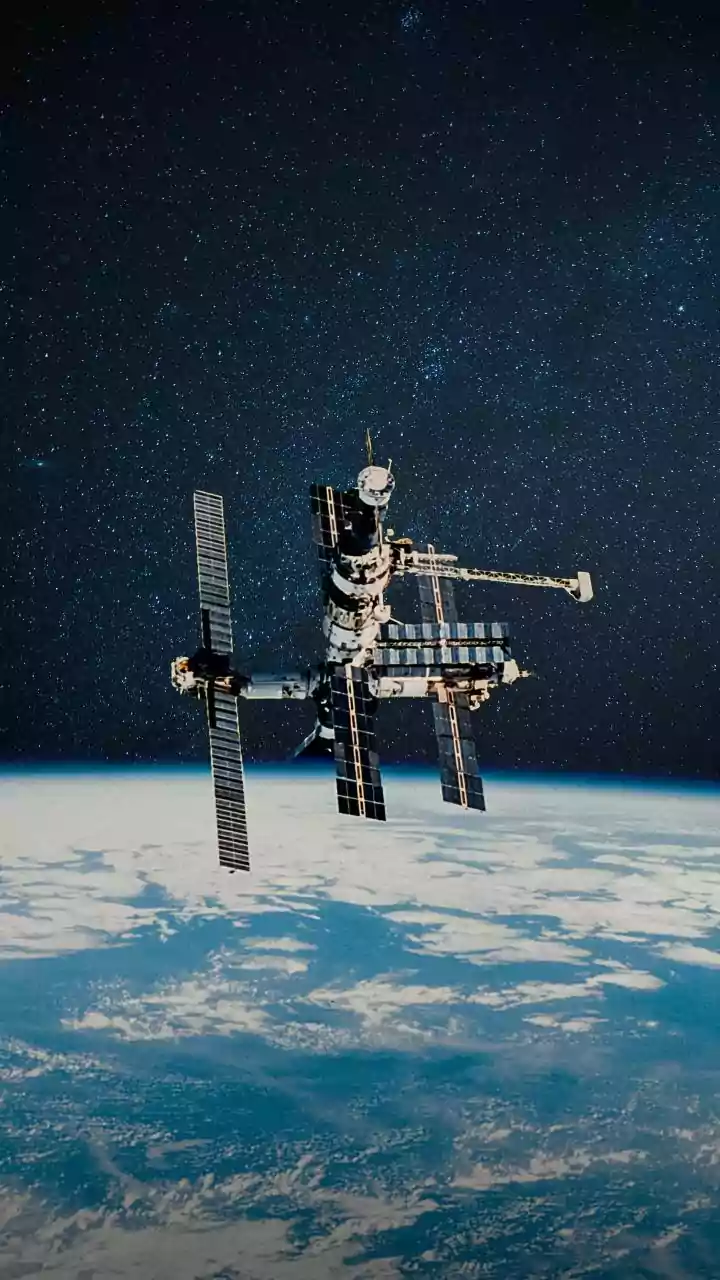
The most promising solution is growing food in space. NASA has already had success with its 'Veggie' program on the International Space Station (ISS), cultivating crops like lettuce, tomatoes, radishes, and even chile peppers. The research is now expanding to determine the best methods for larger-scale cultivation. Scientists are experimenting with hydroponics (growing plants in water) and using regolith (the soil-like material on the Moon and Mars), though both come with challenges. Martian regolith, for instance, lacks nitrogen and has high salt concentrations that would need to be managed. Other futuristic concepts include 3D-printing meals with customised nutrient profiles and even creating protein from microbes, air, and electricity, a technology being explored by the European Space Agency. These innovations aim to create a closed-loop system where waste is recycled and resources are maximised.
A Personalised Deep Space Diet
The future of space nutrition is also personal. Researchers envision a system where an astronaut's diet can be tailored in real-time based on their health data. This could involve creating customised nutritional drinks or using additive manufacturing to produce meals that address specific deficiencies or taste preferences. Because microgravity can alter the sense of taste and smell, having palatable and desirable food is crucial. By understanding an individual astronaut's genetic makeup and metabolic needs, mission planners can develop diets that not only prevent illness but also optimise physical and cognitive performance, which is vital for a complex mission where every crew member must be at their best. This convergence of nutrition, genetics, and technology represents the next frontier in keeping humans healthy as they venture farther from Earth.