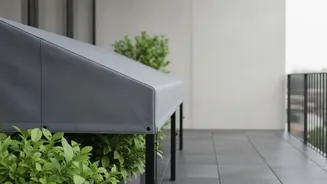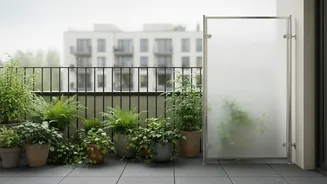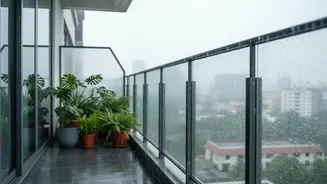







The Monsoon Challenge for Balconies
For apartment dwellers, a balcony is often the only connection to the outdoors. It’s a space for potted plants, morning tea, and fresh air. However, the intense downpours of the monsoon season present a significant challenge. Uncontrolled rainwater can lead
to a host of problems. Waterlogged pots cause root rot, killing your precious plants. Standing water on the balcony floor can weaken the structure over time, seeping into the concrete and causing cracks or rust in the reinforcing steel. This moisture can also lead to damp patches and peeling paint on walls, creating an environment ripe for unhealthy mould and mildew growth. Furthermore, constant water overflow can damage the building's facade and affect residents on lower floors, turning your personal haven into a source of stress and potential conflict.
The Solution: Vertical Waterproofing Panels
While traditional solutions like applying waterproof sealants to floors and walls are effective, a more integrated and aesthetic approach is gaining traction: vertical waterproofing panels. These are not just functional barriers but are designed to be a part of your balcony's decor. Unlike simple tarps or temporary covers, these panels are semi-permanent installations fixed to the interior-facing walls of your balcony. Often made from durable, weather-resistant materials like PVC or composite boards, they create a continuous, impermeable shield against rainwater. Think of it as a raincoat for your balcony walls, one that is specifically engineered to manage water flow and protect both your garden and the building itself.
How the System Actually Works
The genius of vertical waterproofing panels lies in their design. They are installed as a system to form a seamless barrier. The panels themselves are inherently waterproof, meaning they won't warp, swell, or degrade when exposed to constant moisture. Many systems feature an interlocking or overlapping design that prevents water from seeping through the joints. The primary function is to catch rainwater that hits the wall and direct it downwards in a controlled manner. This water is then channelled towards the balcony's main drainage points. By preventing water from sitting against the wall or pooling at the base where your pots are, the system effectively mitigates the two biggest risks: structural water damage and waterlogging of your plants. This systematic approach ensures that even during a heavy downpour, water is managed efficiently instead of left to cause chaos.
Benefits Beyond Simple Waterproofing
The advantages of installing these panels extend beyond just keeping things dry. Aesthetically, they provide a clean, uniform backdrop that can make your plants and decor pop, hiding unsightly plaster or peeling paint. This can transform a purely functional space into a stylish outdoor room. Because the materials, like PVC, are easy to clean, maintaining a pristine look is simple. The panels also protect your walls from the direct impact of rain and sun, which can reduce long-term maintenance costs associated with repainting and crack repairs. By creating an impenetrable barrier, they prevent moisture from getting into the walls, which is a key step in preventing the growth of mould and mildew that can be harmful to both your family's health and your plants.
What to Consider Before Installing
Before you invest in vertical waterproofing panels, there are a few important factors to consider. First, assess the material. High-quality PVC or composite panels are ideal as they are typically UV-resistant, meaning they won't fade or become brittle in the harsh Indian sun. Second, consider the installation. While some handy homeowners might attempt a DIY project, professional installation is often recommended to ensure the panels are perfectly sealed and integrated with your balcony's existing drainage system. Proper installation is key to the system's effectiveness. Finally, check with your building's management or resident welfare association (RWA) to ensure there are no restrictions on making such modifications to your balcony's exterior-facing surfaces.