





Understanding the Monsoon's Phased Withdrawal
The end of the monsoon isn't like flipping a switch; it's a gradual process that takes weeks. The retreat typically begins from the northwestern parts of India, like Rajasthan, around early to mid-September. From there, the line of withdrawal moves progressively
southeast across the country. This means that while northern regions may start experiencing dry, sunny weather, the southern and eastern states could still be receiving significant rainfall. This staggered retreat creates a diverse weather map across India, making it crucial for travellers to plan based on the specific region they intend to visit.
North India: Clear Skies and Welcoming Mountains
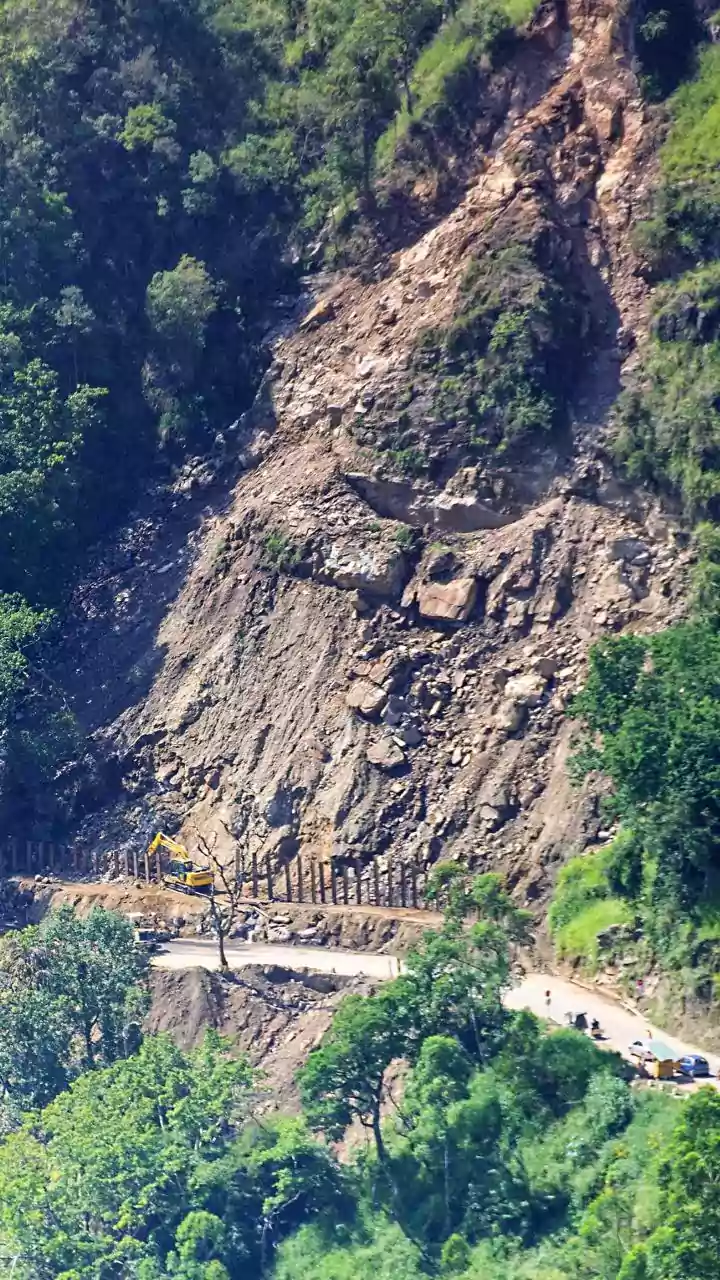
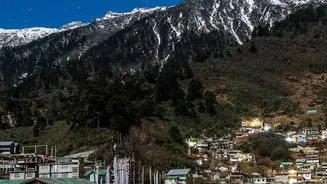
For North India, September often signals the end of monsoon-related disruptions. In states like Rajasthan, the weather becomes considerably drier and more comfortable for sightseeing in cities like Jaipur and Udaipur. The Himalayan states of Himachal Pradesh and Uttarakhand also become more accessible. After months of rain, the mountains are draped in lush greenery, and with the risk of landslides reducing towards the end of the month, it's an excellent time for trekking and exploring hill stations like Shimla and Manali. While occasional showers can still occur, the weather is generally pleasant, offering clear views of the Himalayan peaks.
South India: Lingering Showers and Lush Greenery
The monsoon tends to linger longer in the south. In Kerala, September is characterised by intermittent showers that keep the landscapes exceptionally green and vibrant. It’s a fantastic time to experience the backwaters of Alleppey or the tea gardens of Munnar without the peak season crowds. Similarly, destinations in Karnataka like Coorg and Chikmagalur are at their scenic best, with coffee plantations and hillsides looking freshly washed and verdant. However, travellers should be prepared for rain; while it may not be constant, carrying rain gear is advisable. The India Meteorological Department (IMD) has noted that rainfall activity in peninsular India can sometimes be subdued in early September, but conditions can change.
West & Central India: A Gradual Shift to Dry Days
In Western India, destinations like Goa and the coastal parts of Maharashtra see a significant reduction in rainfall as September progresses. While the start of the month can still be wet, the latter half often brings more sunshine, offering a peaceful, pre-season coastal experience before the crowds arrive in winter. In central India, places like Madhya Pradesh might still experience rainfall, sometimes heavy, in the early part of the month. Many national parks in this region typically remain closed until October, so wildlife trips may need to be timed accordingly.
East and Northeast India: A Late Farewell to the Rains
The monsoon's withdrawal from East and Northeast India is generally the last phase of its retreat from the country. States like West Bengal, Odisha, and the northeastern states like Meghalaya and Assam can continue to receive heavy rainfall throughout September. While this makes the waterfalls and landscapes in places like Shillong and Darjeeling spectacular, it also means a higher risk of travel disruptions. Travellers heading to this region should keep a close watch on weather forecasts and be prepared for changes in their itineraries due to rain.
Key Travel Tips for September
Given the transitional weather, flexibility is key when travelling in India during September. Always check the latest local weather advisories and road conditions, especially if you are heading to mountainous or coastal areas. Flight delays due to weather are possible, particularly in regions still experiencing active monsoon conditions like Mumbai and Kolkata, so it's wise to build extra buffer time into your travel plans. Packing should include lightweight, breathable fabrics for the humid conditions, along with a reliable umbrella or raincoat. Since this is a shoulder season, you might find better deals on accommodation and fewer crowds at popular attractions.