






Why Your Gut Loves Fibre
We've all been told to eat more fibre, but why is it so important? Dietary fibre is a plant-based carbohydrate that our bodies can't digest. It plays a crucial role in maintaining good health, from preventing constipation to lowering the risk of heart
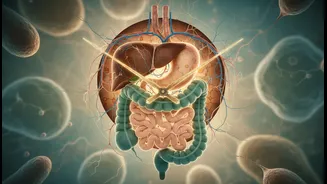
disease and type 2 diabetes. Fibre helps regulate blood sugar, keeps you feeling full for longer, and is essential for a healthy digestive system. Think of it as the unsung hero of your daily diet, working quietly in the background to keep everything running smoothly.
It's Not Just Quantity, It's Quality
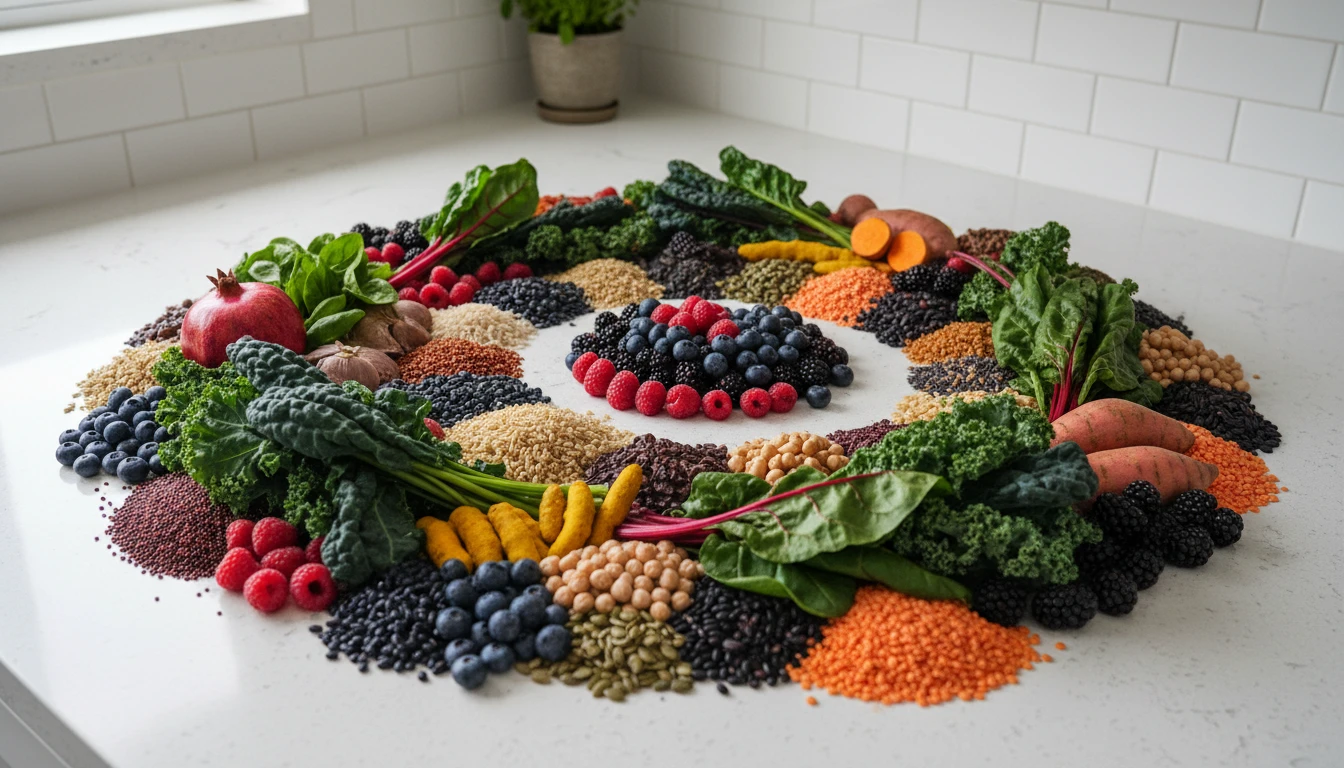
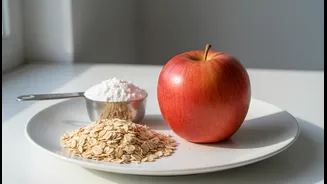
Just adding more fibre isn't the whole story. The key to unlocking its full benefits lies in variety. There are two main types of fibre: soluble and insoluble. Soluble fibre, found in oats, beans, and apples, dissolves in water to form a gel, which can help lower cholesterol and blood sugar levels. Insoluble fibre, found in whole grains and vegetables like cauliflower, adds bulk to stool and helps food pass more efficiently through your digestive system. Most plant foods contain both types, but in different ratios. Eating a wide range ensures you get the benefits of both.
The Power of Rotation for Gut Health
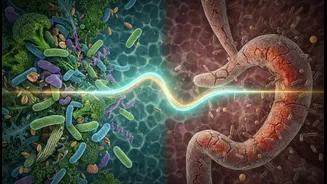
This is where the idea of 'rotation' comes in. Your gut is home to trillions of microorganisms, collectively known as the gut microbiome. A diverse microbiome is a healthy microbiome. Different types of fibres act as food for different kinds of beneficial gut bacteria. When you eat the same few sources of fibre every day, you're only feeding a small fraction of your gut community. By rotating a wide variety of fibre-rich foods, you provide a feast for a broader range of microbes. This helps them thrive, producing beneficial compounds that reduce inflammation and strengthen your gut barrier.
Building Your Fibre Rotation Menu
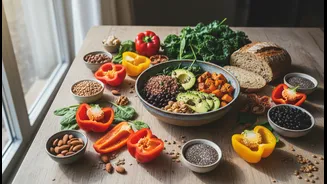
This doesn't require a complex spreadsheet. It’s about making small, conscious choices. Instead of having dal and rice every day, try substituting rajma or chana for the dal. If you eat oats for breakfast, try adding different fruits each day—banana one day, papaya the next. Think in weekly cycles. This week, you could focus on leafy greens like spinach and methi; next week, explore root vegetables like carrots and sweet potatoes. A traditional Indian diet is naturally rich in fibre sources like dals, pulses, millets (jowar, bajra, ragi), and vegetables, making rotation easy and delicious.
Simple Swaps for Big Fibre Wins
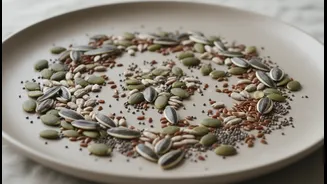
Increasing your fibre intake doesn't have to be a chore. Simple swaps can make a huge difference over time. Opt for whole wheat roti instead of those made with maida. Choose brown rice over white rice a few times a week. Add a handful of seeds, like flax or chia, to your morning dahi or smoothie. Snack on a guava, which is incredibly high in fibre, or a handful of roasted chana instead of processed snacks. Even adding more vegetables to your favourite curries, khichdi, or upma can significantly boost your daily intake.