






A Glimpse into the Power-Hungry Future
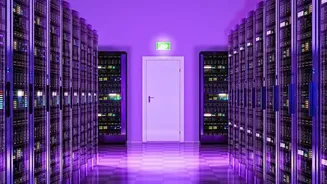
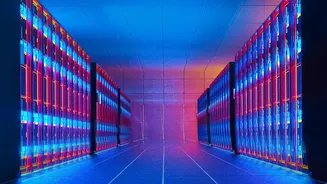
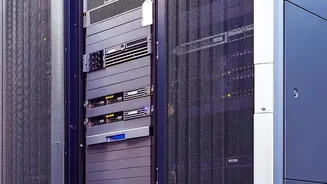
The engine of modern life—from streaming and cloud storage to the explosion in artificial intelligence—is the data centre. These vast, power-hungry facilities are multiplying and growing in intensity. According to the IEA's World Energy Outlook 2026,
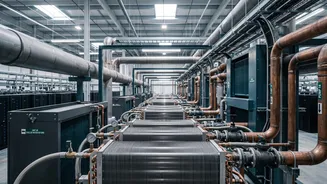
global electricity consumption from data centres, which stood at about 415 terawatt-hours (TWh) in 2024, is projected to surge to nearly 1,000 TWh by 2030. This projected demand is roughly equivalent to the entire current electricity consumption of Japan. While this represents just under 3% of projected global electricity use, the growth rate is staggering—four times faster than all other sectors combined. This rapid expansion places immense pressure on electricity grids and challenges global climate goals.
The AI Accelerator
The primary driver behind this explosive growth is the artificial intelligence boom. Training and running advanced AI models requires immense computational power, which translates directly to higher energy use. Servers optimised for AI workloads consume significantly more power than conventional ones. The IEA projects that electricity consumption from AI-specific servers will grow by 30% annually. This single category is expected to account for almost half of the net increase in global data centre energy demand through 2030. This isn't just about training massive models, which is energy-intensive but infrequent; it's about 'inference,' the constant energy draw from AI features embedded in everyday applications like search and email. As AI becomes more integrated into our digital lives, its energy footprint will continue to expand.
Grids Under Pressure
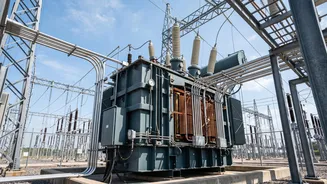
This escalating demand is not just a number on a global scale; it creates intense, localised pressure. Data centres tend to cluster in specific regions, creating 'hotspots' of extreme electricity demand. In some markets, planned data centre projects could collectively require more power than the region's current peak electricity usage. This concentration strains local power grids, which were not designed for such rapid and massive load increases. The result can be long queues for grid connections—sometimes lasting years—and an increased risk of instability or congestion. The IEA warns that to keep pace, the world needs millions of kilometres of new and refurbished power lines, alongside massive investment in grid infrastructure like transformers and cables, for which supply chains are already tight.
The Clean Energy Dilemma
To meet this demand without derailing climate targets, clean energy is the obvious answer. In principle, renewable sources like solar and wind are becoming increasingly cost-effective. However, powering data centres, which require a constant, 24/7 power supply, with intermittent sources like solar and wind presents a major challenge. Ensuring a 'firm' or uninterrupted power supply from renewables often requires expensive battery storage, which can make it less cost-competitive than natural gas in some regions. Consequently, the IEA projects a worrying trend: a significant portion of the new demand, particularly in the US and China, may be met by fossil fuels. The agency forecasts that natural gas could supply about 60% of US data centre electricity by 2030, while coal could power half of China's. This threatens to increase the industry's carbon emissions by 70% in the same period.
Forging a Sustainable Path Forward
The challenge is immense, but not insurmountable. The solution lies in a multi-pronged approach that goes beyond simply building more power plants. First, efficiency gains in hardware, software, and data centre cooling are crucial to moderate demand growth. Tech companies are already major investors in renewable energy through Power Purchase Agreements (PPAs) and are exploring innovative solutions like on-site generation and small modular nuclear reactors. Smarter grid integration, where data centres can flexibly adjust their power consumption, can also help balance supply and demand. Ultimately, ensuring our digital future is sustainable requires a coordinated effort between the tech industry, energy providers, and policymakers to accelerate investment in both clean energy generation and the modern grid infrastructure needed to deliver it reliably and affordably.