





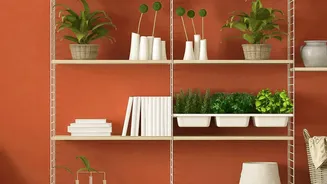

The Black Hole of Deep Shelves
While deep shelves seem to promise more storage, they often create more problems than they solve. Items get pushed to the back, becoming invisible and inaccessible. This 'out of sight, out of mind' effect leads to forgotten food, duplicate purchases,
and a constant struggle to find what you need. The back half of a deep shelf effectively becomes a black hole—a graveyard for expired spices, single socks, and long-lost books. The space isn’t just wasted; it actively works against you, creating clutter and making daily tasks like cooking or getting dressed more frustrating.
The 'Goldilocks' Rule for Shelf Depth
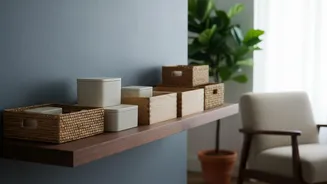
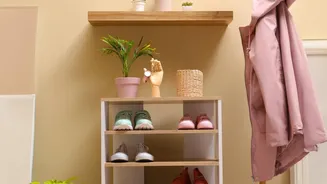
The key to efficient storage is matching the shelf depth to the items it will hold. There is no one-size-fits-all answer. For most day-to-day items, a depth of 12 inches (about 30 cm) is the functional sweet spot. This is deep enough for folded clothes, standard hardback books, and most kitchen canisters without losing things at the back. Professional organisers often recommend a depth of 10 to 12 inches for things like shoes and paperbacks. Linens and towels might need a bit more room, around 12 to 16 inches, but anything deeper should be reserved for bulky, rarely used items like large storage bins in a garage.
Solving the Pantry Predicament
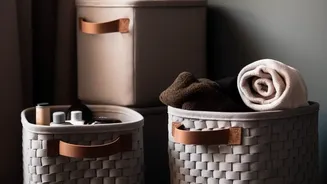
The kitchen pantry is where deep shelves cause the most chaos. Small jars of pickles, masalas, and jams disappear behind large bags of rice and flour. To counter this, functionality is key. Grouping similar items is a simple first step. A standard pantry shelf depth of 12 to 16 inches is common, but it's how you use that space that matters. If you have deep shelves, don't line items up from front to back. Instead, use clear, rectangular bins with handles. These act like removable drawers, allowing you to pull a whole category of items out at once, see everything you have, and easily grab what you need from the back.
Taming the Closet Chaos
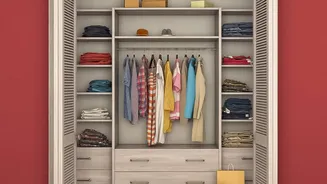
In a wardrobe, the ideal shelf depth for folded clothes is typically 12 to 14 inches. This provides enough space for a neat stack of shirts or jumpers without a hidden, second row forming behind it. Items in that back row are rarely worn because they aren't visible. For walk-in closets, you might go slightly deeper to 16 inches for bulky sweaters or handbags, but for standard reach-in cupboards, sticking to a shallower depth ensures you can see and use your entire wardrobe. If you're stuck with deep closet shelves, use shelf dividers to create smaller, more manageable sections or use open-front bins to keep stacks from toppling.
Smart Fixes for Existing Deep Shelves
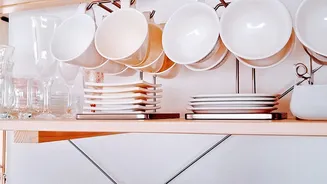
What if you can't replace your oversized shelves? The goal is to bring the back forward. Tiered shelf organisers or risers, often used for spices, are a brilliant solution. They create stadium-style seating for your cans and jars, so you can see the items at the back. Another game-changing tool is the Lazy Susan, or turntable, especially for deep corner cabinets where things go to get lost forever. For a more integrated solution, installing pull-out shelves or drawers transforms a deep, dark cabinet into a highly accessible storage space, making everything visible with a simple pull.