







Your Pre-Travel Document Audit
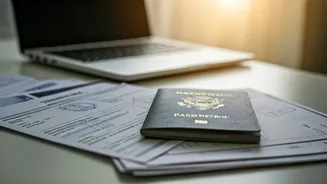
Weeks before you even think about packing, start with a document audit. The most critical item is your passport. For international travel, most countries require your passport to be valid for at least six months from your intended date of departure from their
country. Check for blank pages, as some nations require two to four empty pages for visa and entry stamps. If you need a visa, apply well in advance, as processing times can be lengthy. For domestic flights within India, ensure you have a valid government-issued photo ID like an Aadhaar card, PAN card, driver's licence, or voter ID. The name on your ticket must exactly match the name on your identification to avoid being denied boarding.
Embrace the Digital Backup
While you must carry original documents, a digital backup is your best safety net. Before you travel, scan or take clear photographs of your passport (both sides), visa, driver's licence, and any other ID. Save these files to a secure cloud service like Google Drive or Dropbox. Create a specific folder for your trip, labelling each file clearly—for example, "Passport_Page1.jpg" or "Visa_Schengen.pdf". You can also email these documents to yourself. For travel within India, apps like DigiLocker are officially recognised at airports for showing documents like your Aadhaar card. Having these files accessible offline on your phone can save you in situations with poor or no Wi-Fi.
The Smart Physical Carry-File
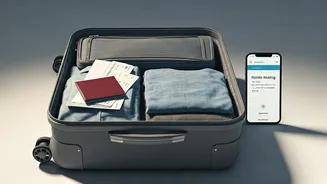
Despite a digital-first world, physical copies remain essential, especially for international travel. Immigration officials may ask for proof of your travel plans. Use a dedicated travel document organiser or a simple folder to keep everything in one place. Inside, arrange printouts in the order you'll need them: flight tickets, hotel booking confirmations, travel insurance policies, and any pre-booked tour tickets. Some countries require proof of onward travel (a return ticket) or evidence of accommodation bookings before they grant entry. Having these printed and ready prevents a frantic search through your phone's email archives at the immigration counter.
Documents You Might Forget
Beyond the obvious, several other documents can be crucial. Travel insurance is mandatory in some countries, so keep a copy of your policy and the emergency contact number handy. If you're travelling with children, carry their birth certificates or school ID cards, especially for domestic flights. For certain destinations, health documents like vaccination certificates (for yellow fever or other diseases) are compulsory for entry. Even if not required, having your COVID-19 vaccination record is a smart precaution. Lastly, keep a printed list of emergency contacts, including family members and your country's embassy at your destination.
At the Airport: The Final Check
The goal of all this preparation is a smooth airport experience. When you head to the airport, keep your primary folder of documents in your carry-on luggage, never in your checked bags. At the check-in counter, you will need to present your passport or ID and any required visas. At security and boarding, you will need your boarding pass and ID again. Having everything organised means you can produce what's needed without fumbling through your bags, reducing your own stress and keeping the queue moving. Knowing exactly where each document is provides peace of mind, allowing you to focus on the excitement of the journey ahead.