



Lentils and Pulses: The Daily Dal
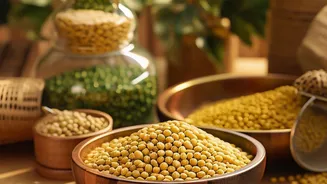
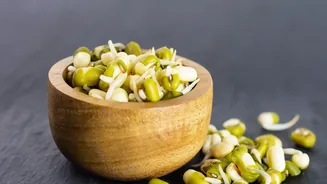
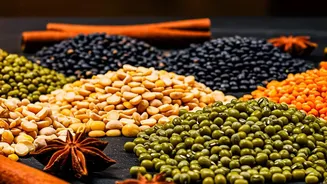
The foundation of countless Indian meals, dals and pulses are a protein powerhouse. A single 100-gram serving of dry moong dal contains about 24 grams of protein, while chana dal and masoor dal offer similar amounts. The cost-effectiveness is undeniable,
with dals like chana dal costing as little as ₹0.40 per gram of protein. They form the backbone of a budget-friendly, high-protein diet. To maximize benefits, combine dal with rice or roti. This pairing creates a 'complete protein' by providing all the essential amino acids your body needs, similar to what you'd find in meat or eggs. A single bowl (katori) of cooked dal can provide between 8 to 12 grams of protein.
Soya Chunks: The Undisputed Champion
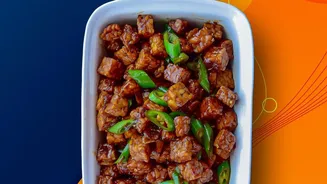
When it comes to protein per rupee, soya chunks are in a league of their own. A 100-gram serving of dry soya chunks delivers an impressive 52 grams of protein, making it one of the most concentrated plant-based protein sources available. It's also the most affordable, costing as little as ₹0.20 to ₹0.30 per gram of protein. Soya is a complete protein, containing all nine essential amino acids, which is rare for plant-based foods. Its meaty texture makes it a versatile substitute in dishes like curries, pulao, and bhurji, though some may find the taste takes getting used to. For vegetarians and vegans, it's an invaluable food for muscle building and meeting daily protein goals on a budget.
Eggs: The Complete Package
Eggs are often called nature's multivitamin, and for good reason. A single large egg provides about 6 to 7 grams of high-quality, easily absorbed protein. At a cost of around ₹1 per gram of protein, they are the most affordable source of complete animal protein widely available across India. Besides protein, eggs are packed with essential vitamins and minerals. They are incredibly versatile, perfect for a quick breakfast scramble, a simple boiled snack, or as a protein-boosting addition to curries and fried rice. For non-vegetarians, they offer an unbeatable combination of quality, convenience, and cost.
Dairy: Paneer and Curd
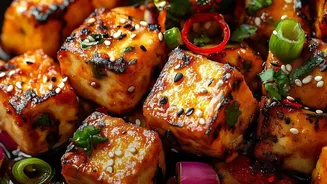
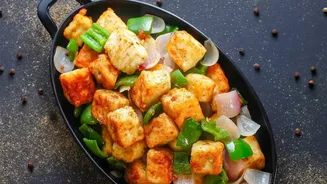
Dairy products like paneer (Indian cottage cheese) and curd (yoghurt) are staples in many vegetarian diets. A 100-gram serving of paneer offers about 18 grams of protein, primarily casein, which is slow-digesting and promotes sustained muscle recovery. While slightly pricier per gram of protein than lentils or soya, homemade paneer can significantly reduce costs. Curd is another excellent and affordable choice, with homemade curd providing around 11 grams of protein per 100 grams. Greek yoghurt, or hung curd, is even more concentrated. These dairy options are also rich in calcium, which is vital for bone health.
Peanuts and Chickpeas
Often overlooked as a serious protein source, peanuts are both affordable and nutritious. A 100-gram serving contains about 26 grams of protein. They make for a convenient, energy-dense snack. Roasted chana (chickpeas) are another budget-friendly star, providing around 22 grams of protein per 100 grams. Dishes like chana masala or rajma (kidney beans), which has about 23 grams of protein per 100g dry, are not just comforting but also incredibly effective at boosting your meal's protein content without straining your finances.
Affordable Meat: Chicken Breast
For non-vegetarians, chicken breast remains a top choice for lean protein. A 100-gram serving of cooked chicken breast can provide up to 31 grams of protein. While more expensive than plant-based options like dal or soya, it is often the most cost-effective meat source. It contains all essential amino acids and has a lower fat content compared to other cuts of meat, making it ideal for those focused on muscle building and fitness. Simple preparations like grilling or adding it to curries and salads can easily help you meet your daily protein targets.