



Why Monsoon is a Gardener's Friend
The Indian monsoon, typically lasting from June to September, creates ideal conditions for many plants to flourish. The naturally high humidity, cooler temperatures, and frequent watering from the skies encourage quick germination and vigorous growth.
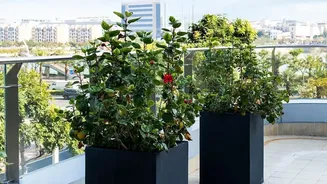
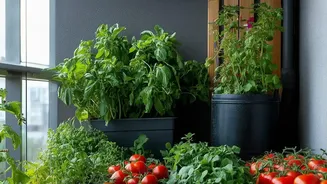
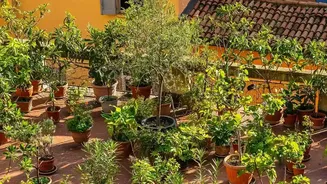
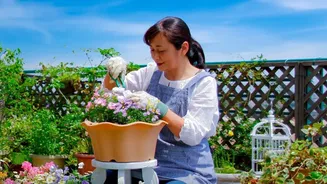
This period allows young plants to establish themselves without the stress of scorching summer heat. For urban dwellers with limited space, a balcony can become a thriving kitchen garden, providing fresh produce and a welcome touch of nature. The key is to choose the right plants and manage the abundance of water effectively.
Picking Your Monsoon Champions
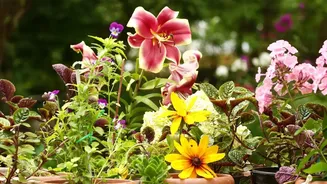
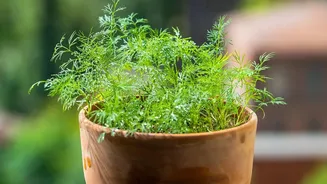
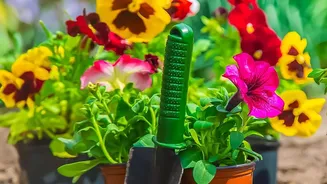
Not all plants enjoy the heavy downpour, but many Indian vegetables and herbs thrive in these conditions. Gourds are undisputed champions of the rainy season; varieties like lauki (bottle gourd), karela (bitter gourd), and turai (ridge gourd) grow vigorously. They are climbers, so they will need a sturdy trellis for support. Other excellent choices for pots include bhindi (okra), brinjal (eggplant), green chillies, and tomatoes. Leafy greens like spinach and coriander also grow quickly in the monsoon's mild and moist climate. For a splash of colour, consider flowers like marigold, balsam, and hibiscus, which bloom beautifully during this time.
The Crucial Role of Soil and Drainage
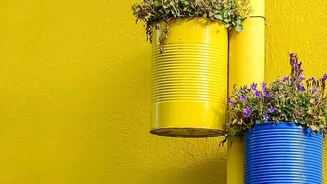
The single most important factor for success in monsoon gardening is drainage. While the rain is beneficial, waterlogged soil can lead to root rot, a condition where roots suffocate and die due to a lack of oxygen. To prevent this, ensure every pot has drainage holes at the bottom. Using a well-draining potting mix is also essential. A good mix can be made by combining garden soil with cocopeat and compost, which keeps the soil from becoming too compact. A simple but effective trick is to elevate your pots using bricks or pot stands, allowing excess water to escape freely and preventing your plants from sitting in puddles.
Watering: When Less is More
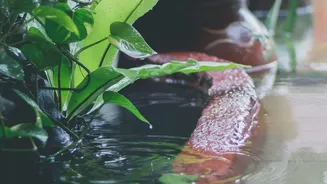
It may seem counterintuitive, but overwatering is a major risk during the rainy season. With frequent showers, you need to adjust your watering schedule. The best rule is to check the soil before watering. Push your finger about an inch into the soil; if it feels moist, there is no need to add more water. During periods of heavy, continuous rain, you may not need to water your plants at all. Always empty the saucers or trays beneath your pots after a downpour to prevent water from accumulating.
Guarding Your Greenery from Pests
High humidity can unfortunately invite pests and fungal diseases. Regularly inspect your plants for common troublemakers like aphids, mealybugs, and whiteflies. Many problems can be managed with simple, organic solutions. A spray made from neem oil mixed with water and a few drops of mild soap is a powerful natural insecticide and fungicide. Another effective DIY option for soft-bodied insects is a simple soap spray. For crawling pests, a sprinkle of diatomaceous earth around the base of the plant can create a protective barrier. Ensuring good air circulation by not overcrowding plants can also help prevent fungal issues.