



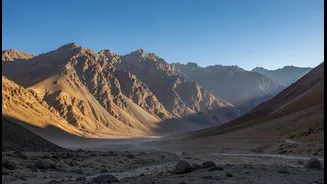


The Rain Shadow Advantage
The secret to a dry Himalayan adventure in the middle of monsoon season lies in a simple geographic phenomenon: the rain shadow effect. The towering Himalayan ranges act as a massive barrier, blocking moisture-laden monsoon clouds from crossing over to their
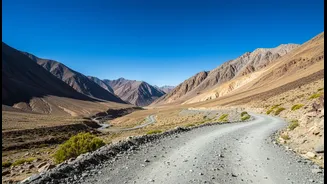
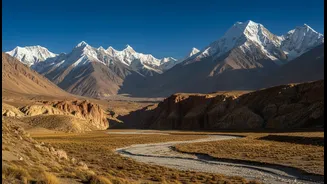
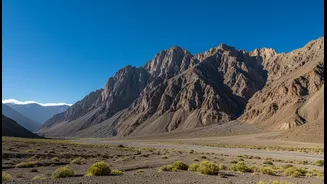
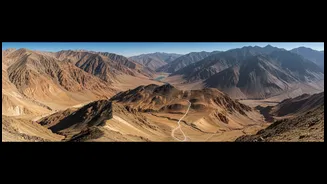
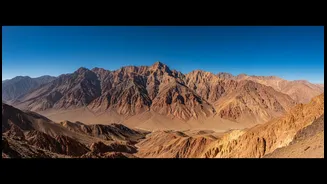
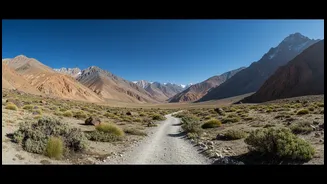
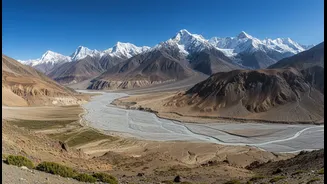
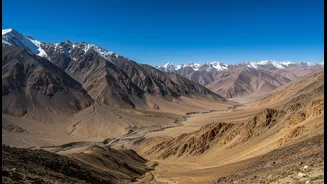
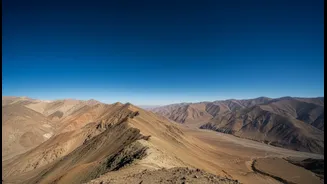
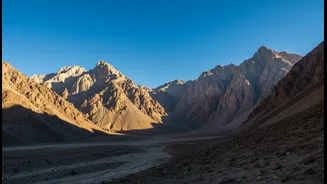
northern side. As a result, while the rest of the country experiences heavy rainfall, the trans-Himalayan regions of Ladakh and Spiti Valley in Himachal Pradesh remain remarkably arid and sunny. This makes the months from June to September the perfect window to explore these cold deserts, which are otherwise blanketed in heavy snow and cut off for much of the winter.
Ladakh: Land of High Passes and Azure Lakes
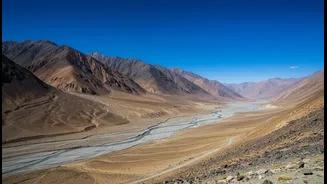
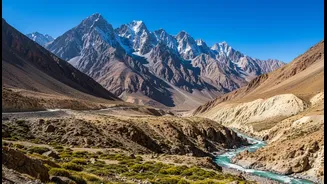
Ladakh offers a landscape of dramatic scale, with vast, open valleys, stunning turquoise lakes, and some of the world's highest motorable passes. Its accessibility via flights to Leh, coupled with a more developed tourism infrastructure, makes it a popular choice for first-timers and families. The peak season in July and August means all attractions and routes, including the iconic Pangong Tso and the dunes of Nubra Valley, are open and bustling with activity. Adventure seekers can indulge in white-water rafting on the Zanskar and Indus rivers, which have high water levels during this time. Despite its desert climate, the occasional shower can bring meadows to life with wildflowers, adding a splash of colour to the barren mountains.
What to Experience in Ladakh
A trip to Ladakh is incomplete without driving to Khardung La pass, visiting the serene monasteries of Thiksey, Hemis, and Diskit, and witnessing the surreal beauty of Pangong Lake. The Nubra Valley offers the unique sight of double-humped Bactrian camels against a backdrop of sand dunes and snow-capped peaks. For those seeking solitude away from the main tourist trails, quieter destinations like Tso Moriri lake, the remote Zanskar Valley, or the culturally rich village of Turtuk offer a more peaceful experience. The clear monsoon skies also make Ladakh a paradise for stargazers, especially in remote areas like Hanle, home to the Indian Astronomical Observatory.
Spiti: A World Within a World
For travellers who prefer raw, rugged beauty and cultural immersion over convenience, Spiti Valley is the ideal destination. Quieter and less commercialised than Ladakh, Spiti offers a more intimate and offbeat experience. The journey itself, particularly via the Shimla-Kinnaur highway, is a gradual ascent that allows for better acclimatisation. The landscape here feels more contained, with narrow valleys, ancient monasteries perched precariously on cliffs, and villages that seem frozen in time. While the Manali-Kaza route can be risky due to monsoon-related landslides, the route from Shimla is generally more reliable during this season.
Must-Dos in the Spitian Landscape
The heart of Spiti lies in its ancient Buddhist culture. Visiting the thousand-year-old Tabo Monastery, a UNESCO World Heritage site, and the iconic Key Monastery near Kaza is a profound experience. Adventure lovers can trek to the stunning Chandratal Lake, also known as the Moon Lake. For a unique memory, send a postcard from the world's highest post office in Hikkim. Staying in a traditional homestay in villages like Langza, known for its fossils, or Kibber offers deep cultural insight and a chance to connect with the warm and resilient local people. The light monsoon rains can also transform parts of the valley, creating a surprising contrast of green meadows against the brown, barren mountains.
Ladakh vs. Spiti: How to Choose Your Monsoon Escape
Your choice between Ladakh and Spiti depends on your travel style. Choose Ladakh if you are looking for grand landscapes, iconic photo opportunities, better hotel options, and don't mind peak-season crowds. It's more accessible, especially for shorter trips, thanks to direct flights to Leh. Choose Spiti if you crave solitude, a deeper cultural experience, and a more challenging road adventure. Spiti is generally more budget-friendly and rewards travellers with a sense of raw, untouched beauty. For first-time high-altitude travellers, the gradual ascent on the road to Spiti via Shimla can be gentler on the body than flying directly into Leh's high altitude.