






The Global Buzz Around a Local Hero
Across the world, moringa has exploded onto the health and wellness scene. From London to Los Angeles, cafes are serving moringa lattes, and health stores are stocking shelves with its bright green powder, capsules, and oils. Touted as a 'miracle tree',
it has captured the attention of wellness enthusiasts for its dense nutritional profile and promises of everything from boosted energy to clearer skin. This global buzz positions moringa as a new discovery, a novel green that rivals kale and spirulina. For many in India, however, this 'new' superfood is anything but. It’s the familiar taste of home, a staple that has been growing in our gardens and flavouring our meals for centuries.
A Familiar Friend in Indian Kitchens
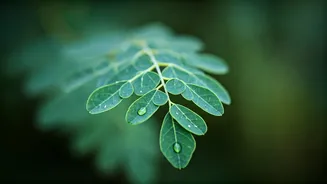
Long before it was a wellness trend, moringa—or 'shevga' in Marathi, 'murungai' in Tamil, and 'shobhanjana' (the auspicious tree) in Sanskrit—was a cornerstone of Indian cuisine and traditional medicine. We know its long, slender pods as drumsticks, the essential, flavourful component in a hearty sambar or a tangy avial. Its delicate leaves and flowers are stir-fried with spices, added to dals, or ground into chutneys, providing both texture and nutrition. This deep-rooted presence in our culinary heritage means many of us have been consuming this superfood all our lives, long before it came in fancy packaging. The global trend is only now catching up to the wisdom that has been passed down through generations in Indian households.
A Nutritional Powerhouse Explained
The science behind moringa's 'superfood' status is undeniably impressive. The leaves are a remarkable source of nutrients. They are packed with vitamins A and C, which are crucial for vision and immune health. Furthermore, they are a significant source of minerals like calcium for bone health, potassium for nerve function, and iron. Moringa leaves also contain powerful antioxidants like quercetin and chlorogenic acid, which help protect our cells from damage caused by free radicals and can help lower blood pressure and moderate blood sugar levels after meals. What’s more, moringa is a source of complete plant protein, containing all nine essential amino acids, which are the building blocks for our bodies.
Ayurveda’s ‘Miracle Tree’
In Ayurveda, moringa has been revered for thousands of years, with ancient texts referencing its ability to address numerous ailments. Known as 'Shigru' in Sanskrit, it is considered a plant with a warming potency (ushna virya) that helps balance the Vata and Kapha doshas. Its properties are thought to kindle the digestive fire (agni), improve circulation, and help cleanse the body of toxins. Ayurvedic practitioners have traditionally used its leaves, bark, and seeds in various preparations to relieve inflammation, support liver function, purify the blood, and enhance energy. This ancient wisdom validates what modern science is now discovering: that moringa is a holistic plant that nourishes and cleanses.
How to Embrace Moringa in Modern Life
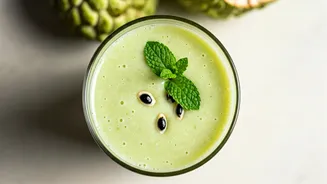
Beyond adding drumsticks to your curry, there are countless easy ways to incorporate this green powerhouse into your daily diet. Moringa leaf powder, with its earthy, spinach-like taste, is incredibly versatile. You can blend a teaspoon into your morning smoothie, shake it into a glass of juice, or simply stir it into a bowl of yogurt or oatmeal. For a savoury twist, sprinkle the powder over roasted vegetables, mix it into dips like hummus, or even knead it into the dough for rotis and parathas. A simple moringa tea, made by steeping dried leaves or powder in hot water with a squeeze of lemon, can be a soothing, caffeine-free beverage.