



The Land Awakens
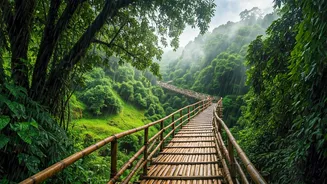
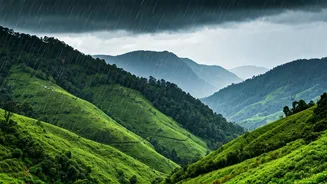
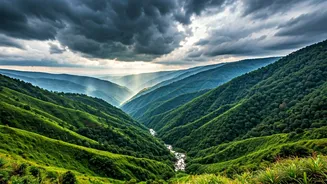
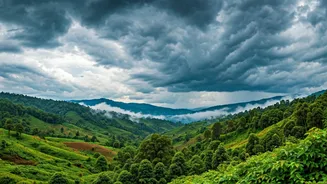
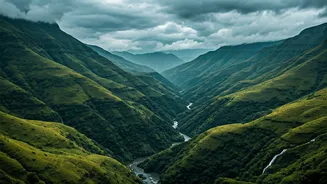
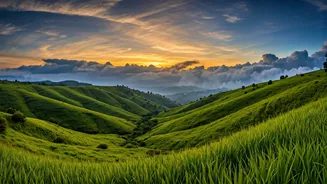
Jowai, the headquarters of the West Jaintia Hills district, sheds its quiet demeanor as the first monsoon showers arrive. The region, a plateau surrounded on three sides by the gentle Myntdu River, becomes a canvas of a thousand shades of green. While
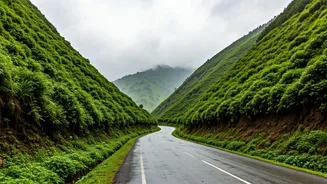
many travel guides might advise visiting during the drier winter months, they risk missing the town’s true essence. The monsoon is when Jowai’s soul comes alive, with mist-covered hills, the scent of rain-soaked earth, and the constant, soothing rhythm of falling water. This is not a time for passive sightseeing; it's an immersive experience for those willing to embrace the rain. Although travel can be challenging, the rewards are immense—a landscape teeming with life and waterfalls in their most spectacular form.
The Roar of Waterfalls
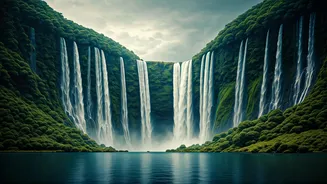
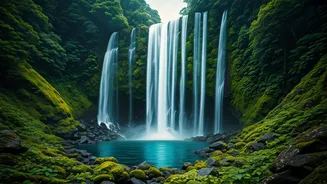
The monsoon feeds the region's most stunning natural assets: its waterfalls. Two of the most majestic, Tyrshi and Krang Suri, are near Jowai and are at their peak during this season. Tyrshi Falls, often compared to Shillong's famous Elephant Falls but considered much larger, is a multi-tiered cascade that plunges into a valley of green paddy fields. A winding footpath and an arched bridge offer panoramic views, allowing visitors to feel the spray and hear the thunderous roar. Further away lies Krang Suri, a waterfall that has gained fame for its ethereal beauty. Its crystal-clear, turquoise plunge pool, set against a backdrop of lush forest, looks like a scene from a fantasy film. While swimming is popular in drier seasons, the monsoon transforms it into a powerful, awe-inspiring spectacle, best enjoyed from the safety of its viewpoints.
A Lake Born from Legend
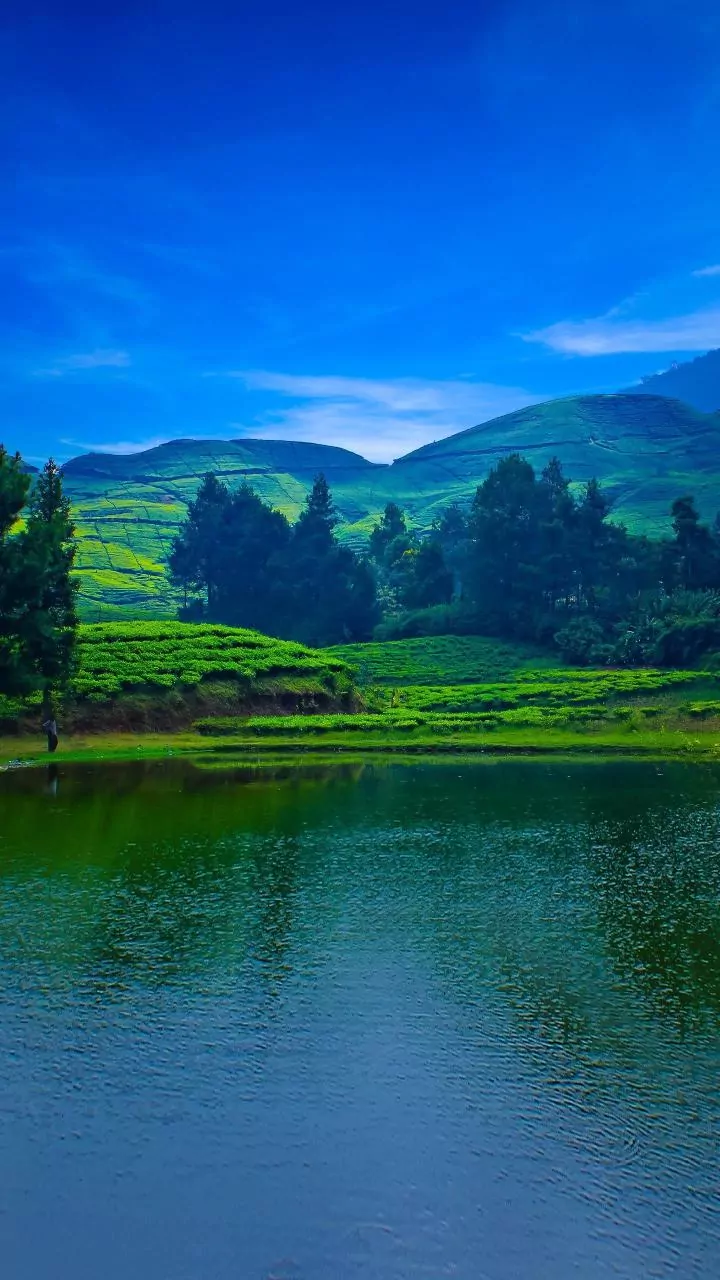
Not all of Jowai's water bodies are wild cascades. Thadlaskein Lake, located just off the highway, offers a serene counterpoint. What makes this lake special is its origin story, a piece of local folklore that speaks volumes about the Pnar tribe's history. Legend says the lake was dug by a revered leader, Sajar Nangli, and his followers. Before leaving their homeland forever to avoid a conflict with the king, they used the tips of their bows to create this waterbody as a lasting memory. During the monsoon, the lake is full and placid, its calm surface reflecting the dramatic monsoon sky. It stands as a testament to history and a place of sacred importance for the local community, which continues to perform rituals here.
A Festival to Chase Away Demons
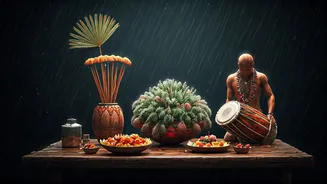
July in Jowai is not just about natural splendor; it is also the time for the Behdeinkhlam festival, the most important cultural event for the Pnar people. The name translates to "chasing away the demon of cholera," and the festival is a vibrant, energetic ritual to cleanse the community and pray for a bountiful harvest. Young men beat the roofs of houses with bamboo poles to drive away evil spirits, and the celebration culminates in a massive gathering where decorative towers, called 'rots', are immersed in a muddy pool. The festival, which will take place from July 11 to 14 in 2026, is a riot of colour, music, and tradition, offering a rare glimpse into the deeply rooted Niamtre faith.