






An Enduring Household Ritual
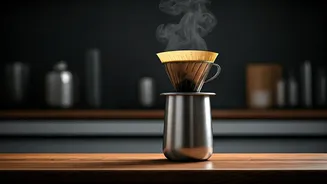
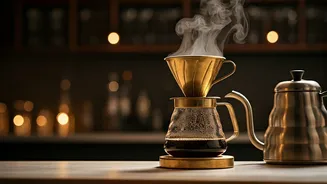
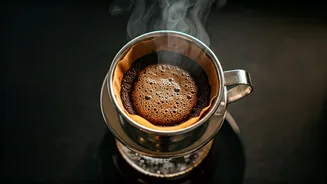
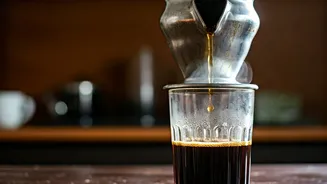
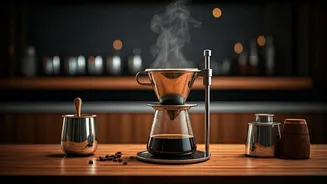
For many, filter coffee is synonymous with home and heritage. The process itself is a slow, deliberate ritual: finely ground coffee, often blended with chicory, is packed into a traditional metal filter. [2] Hot water is poured over, and a dark, potent
decoction gradually drips into the chamber below. [2] This concentrate is then mixed with hot, frothy milk and sugar, traditionally poured between a tumbler and ‘davara’ to cool it and create its signature foam. [2, 14] For decades, this was simply how coffee was made and enjoyed in the southern states—a comforting, predictable, and essential start to the day, woven into the fabric of daily life. [2, 7]
The Modern Kaapi Renaissance
Lately, filter coffee has stepped out of the home and into the spotlight. Across India's urban centres, a new generation of cafes is celebrating and reinterpreting this traditional brew. [3] Chains like 'The Filter Coffee' are expanding rapidly in cities like Bengaluru, offering everything from traditional banana leaf experiences to modern food court formats. [4] These establishments are moving beyond serving just a beverage; they are curating an experience. By applying the language of specialty coffee—discussing origins, roasts, and terroir—they have repositioned filter 'kaapi' as a premium, cultural object. [2] It’s a shift from being a household staple to a symbol of artisanal pride.
A Quest for Indian Authenticity
So, why the sudden resurgence? This trend is part of a broader cultural movement where urban Indians are reassessing what they consider premium. [2] For years, coffee aspiration was tied to global chains and Western-style espresso drinks. [2, 8] The third-wave coffee movement introduced a new vocabulary around beans and brewing, but it also sparked a curiosity for local traditions. [3] Consumers, particularly millennials and Gen Z, began asking, “Why not something rooted in our own culture?” [3, 5] This has led to a reclamation of Indian taste, where authenticity and heritage are valued over globalised homogeneity. [2, 3] Filter coffee, with its deep roots and unique flavour profile, perfectly fits this desire for something real and story-driven.
From Regional Staple to National Trend
What was once a beloved but largely regional habit is quickly becoming a national obsession. [3] The appeal is spreading far beyond its traditional South Indian strongholds, finding a new and curious audience in cities like Mumbai and Delhi. [3, 16] This new generation of coffee drinkers, including Gen Z, is genuinely curious about what their own country produces. [5] They're treating coffee not just as a morning habit but as a functional tool and a form of self-expression throughout the day. [11, 13] Legacy brands are even revamping their packaging and marketing to appeal to this younger, sophisticated audience without alienating loyal customers. [15]
The Business of the Brew
This cultural shift is backed by strong market dynamics. The Indian filter coffee market is projected to grow significantly, with one report forecasting it to reach USD 1.80 billion by 2034. [6] This growth is fuelled by rising disposable incomes, the expansion of specialty cafes into Tier-2 and Tier-3 cities, and a booming e-commerce landscape that makes premium and authentic coffee powders more accessible. [3, 6] The rise of the 'home barista' culture, accelerated by remote work, has also boosted online sales of not just coffee powder but traditional brewing equipment like the brass filter. [3, 9] Entrepreneurs are successfully tapping into this trend, creating brands that celebrate Indian coffee heritage with a modern, aspirational twist. [24]