
The Iron-Clad Problem for Vegetarians
Iron is a vital mineral that your body uses to create hemoglobin, a protein in red blood cells that carries oxygen from your lungs to the rest of your body. Without enough iron, you can feel constantly fatigued, weak, and short of breath. While vegetarianism
is a healthy and popular choice in India, plant-based diets present a unique challenge when it comes to iron. Iron deficiency is a widespread issue, particularly affecting a large percentage of young women in India. This is partly because the type of iron found in plant foods is different from that in meat, and our bodies find it a bit trickier to absorb.
Not All Iron is Created Equal
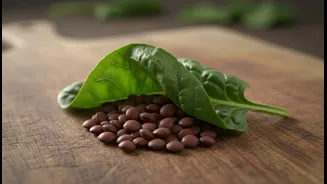
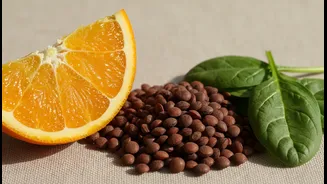
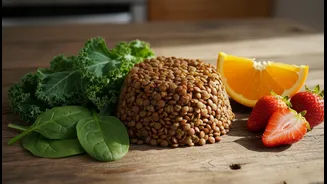
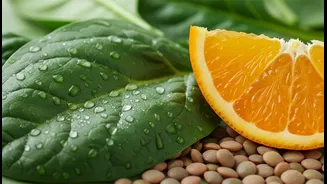
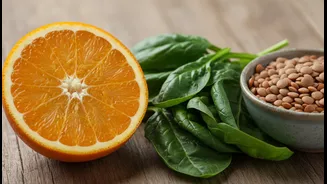
Dietary iron comes in two forms: heme and non-heme. Heme iron, found in meat, poultry, and fish, is easily absorbed by the body. Plant-based foods like lentils, beans, spinach, and fortified cereals contain only non-heme iron. While these are excellent sources, non-heme iron is less bioavailable, meaning your body doesn't absorb it as efficiently. This is where the concept of 'smart pairing' becomes a game-changer, transforming good-for-you meals into great-for-you powerhouses.
Your Iron's Best Friend: Vitamin C
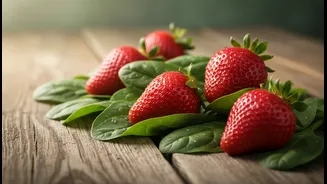
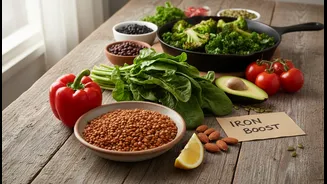
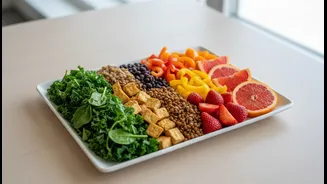
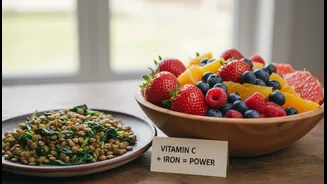
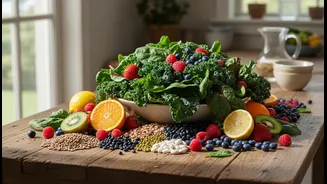
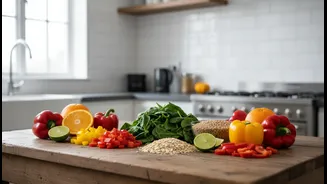
The single most effective way to boost the absorption of non-heme iron is to pair it with Vitamin C. Vitamin C, or ascorbic acid, captures non-heme iron and converts it into a form that your body can absorb much more easily. The effect is significant, with some studies suggesting it can increase absorption several times over. This simple trick is the cornerstone of a smarter vegetarian diet. Think about squeezing lemon over your dal, adding tomatoes to your spinach curry (palak), or having a side of amla. Other fantastic sources of Vitamin C include oranges, guavas, bell peppers (capsicum), broccoli, and strawberries.
Common Combinations to Reconsider
Just as some foods help, others can hinder iron absorption. It's wise to be mindful of these 'iron blockers', especially during your iron-rich meals. Calcium is a major inhibitor, as it competes with iron for absorption. This means that popular combinations like palak paneer might not be the best for iron intake, as the calcium in the paneer can block the absorption of iron from the spinach. It’s better to have palak with potatoes (aloo). Similarly, compounds called tannins found in tea and coffee can drastically reduce iron absorption. Try to avoid having your chai or coffee within an hour of an iron-rich meal. Phytates, present in whole grains and legumes, can also inhibit absorption, but their effect can be reduced by soaking, sprouting, or fermenting them.
Smart Pairings for Your Plate
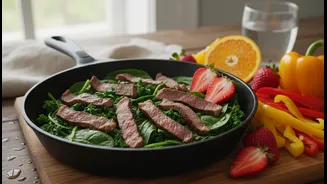
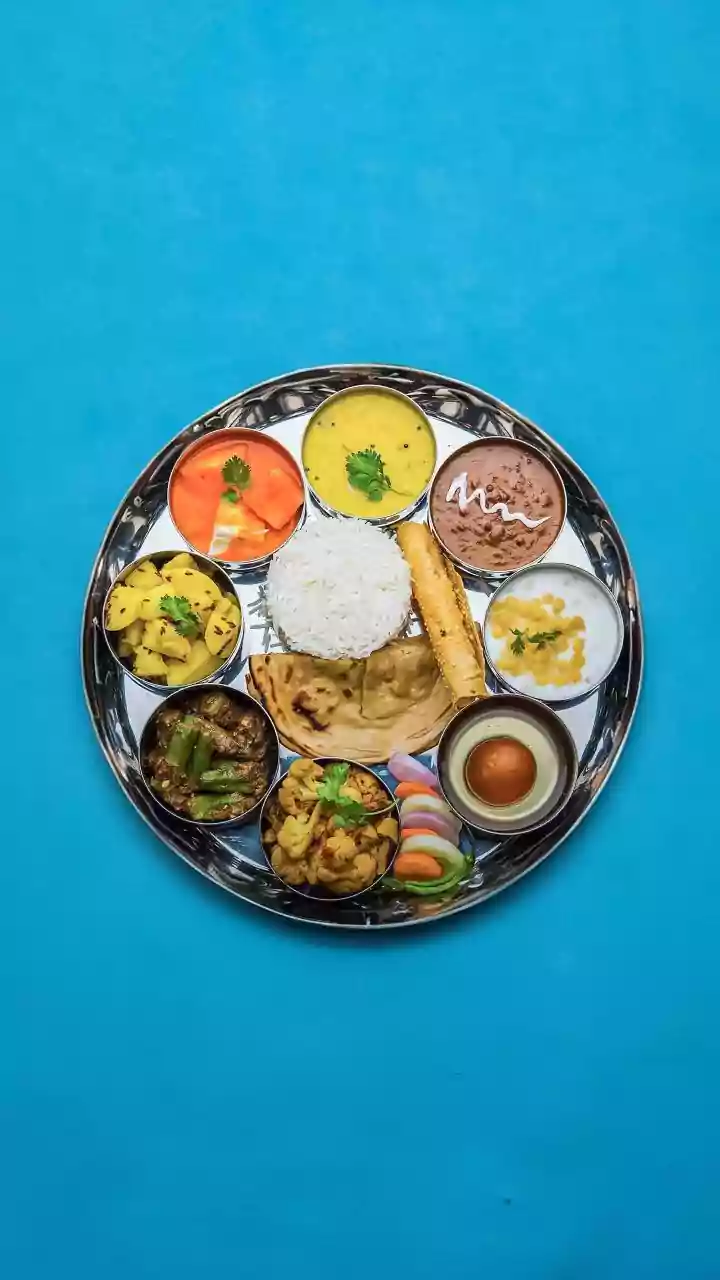
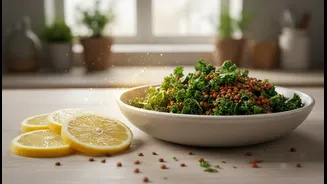
Putting this knowledge into practice in an Indian kitchen is easy and delicious. Squeeze fresh lemon juice over your bowl of dal, rajma, or chana masala. Add chopped tomatoes, onions, and a lemon dressing to your bean salads. When making poha or upma, toss in some peas and serve it with a side of orange juice. For dessert, opt for fruits rich in Vitamin C like strawberries or oranges. Cooking in a cast-iron skillet or 'kadai' is another traditional trick that can naturally increase the iron content of your food, especially with acidic dishes like tomato-based curries. By making these simple, conscious choices, you can ensure your vegetarian diet is not just wholesome, but also fully optimized to meet your body's iron needs.