


The Golden Touch of Ghee
Ghee, or clarified butter, is a cornerstone of Indian winter cooking for good reason. It is traditionally considered a warming food that aids digestion and nourishes the skin during dry weather. The simplest flavour upgrade comes from adding a spoonful
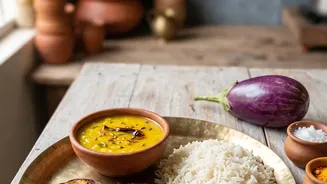
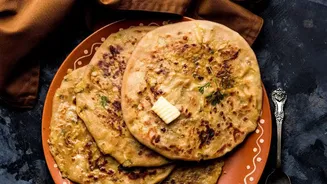
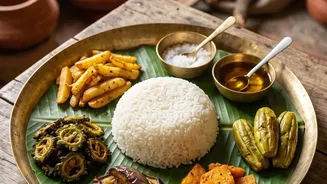
of ghee to finished dishes. Swirl it into a hot bowl of dal, spread it on a freshly made roti, or pour it over steamed rice. The heat releases its nutty, rich aroma, instantly elevating a simple meal. This final touch, known as 'tadka' in some contexts, adds a layer of flavour that cooking oil alone cannot replicate. It provides healthy fats and vitamins, making it a functional and delicious winter staple.
The Jaggery Swap for Earthy Sweetness
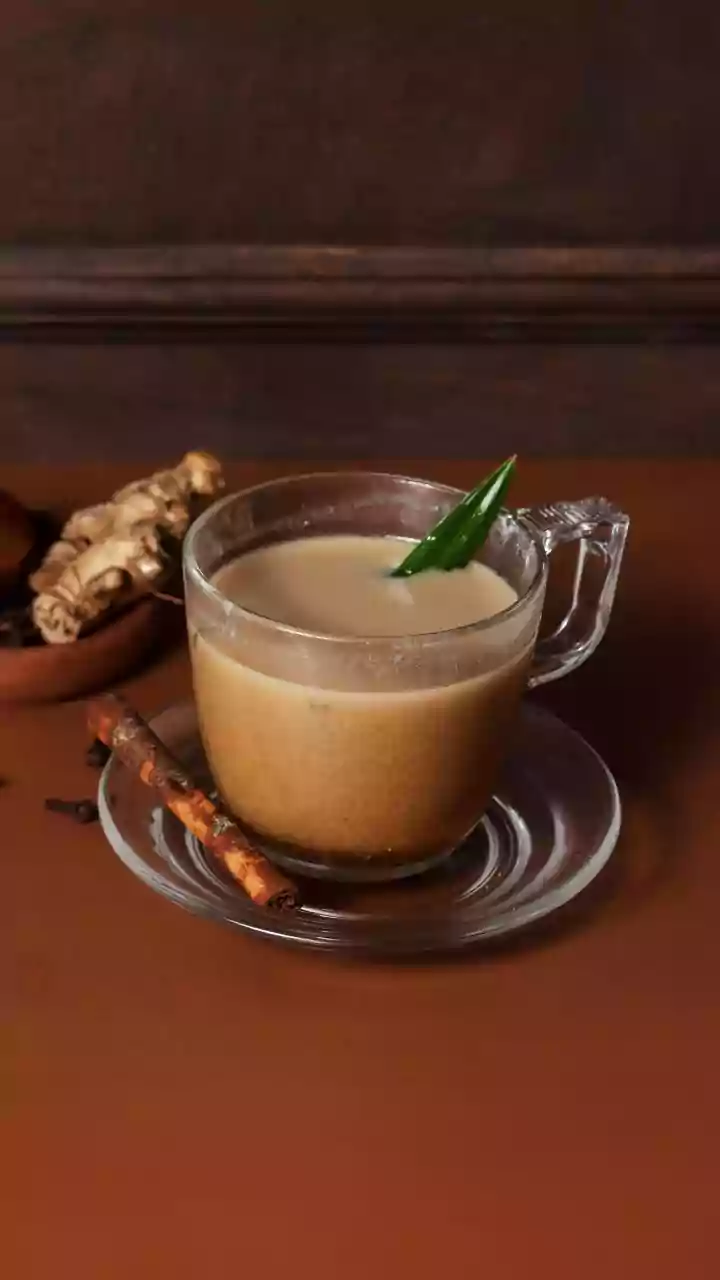
When the temperature drops, swap refined sugar for jaggery (gur). This unrefined sugar, made from sugarcane or palm sap, is packed with minerals like iron and has a deep, molasses-like flavour that is complex and satisfying. The upgrade is effortless: stir jaggery powder into your morning chai or coffee, where it pairs beautifully with spices like cardamom and ginger. For a quick dessert, a small piece of jaggery with a ghee-laden roti is a traditional comfort food. It can also be melted to create syrups for classic winter sweets like Til Ladoo or Peanut Chikki with minimal effort.
Toasted Bajra for Nutty Depth
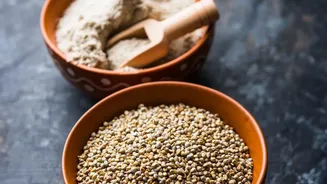
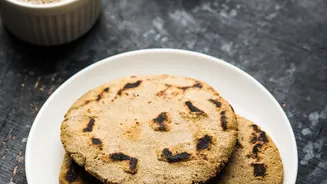
Pearl millet, or bajra, is a gluten-free grain celebrated for its warming properties, making it a winter favourite in many parts of India. While bajra rotis are common, an even simpler upgrade is using its flour as a thickener or flavour enhancer. Lightly toasting bajra flour in a dry pan until it smells nutty and then whisking it into a vegetable soup or dal adds a creamy texture and an earthy, rustic flavour. This simple step transforms a thin soup into a hearty, filling meal, perfect for a cold night. You can also make a comforting and simple Bajra Khichdi with moong dal for a nourishing one-pot meal.
The Smoky Flavour of Roasted Eggplant
Winter vegetables are delicious, but adding a smoky dimension can transform them. Baingan Bharta (mashed roasted eggplant) is a prime example. The upgrade comes from charring the eggplant directly over a gas flame until the skin is blackened and the inside is soft. This process infuses the vegetable with an intense, smoky flavour reminiscent of a tandoor. Once charred, the flesh is scooped out and mashed with simple ingredients like chopped onions, tomatoes, and basic spices. No complex cooking is needed; the fire does all the work of building that deep, winter-appropriate flavour.
Aromatic Mustard Oil Tadka
Kachchi Ghani, or cold-pressed mustard oil, is a winter essential known for its pungent flavour and warming effect. Its high smoke point makes it great for frying, but its true power as a flavour upgrade lies in its use in a 'tadka' or tempering. Heating a spoonful of mustard oil until it just starts to smoke and then adding spices like cumin or whole red chillies creates a potent, aromatic infusion. Pouring this over a simple dish of boiled potatoes (Aloo Chokha) or mashed vegetables instantly imparts a sharp, delicious kick that cuts through the richness of winter fare. It's a single ingredient that can define an entire dish.
Shakarkandi Chaat: The Low-Effort Snack
Sweet potatoes, or shakarkandi, are a classic winter street food in India, often roasted over hot coals. You can easily replicate this at home by simply boiling or oven-roasting sweet potatoes until tender. The upgrade is in the preparation: once cooked, the warm sweet potato cubes are tossed with a squeeze of lemon juice, a pinch of black salt (kala namak), and chaat masala. This combination of sweet, sour, and savoury creates a vibrant and satisfying snack with virtually no cooking skills required. It’s a perfect example of how simple seasoning can elevate a seasonal ingredient.
Dal Shorba: The Sippable Comfort
Transforming your everyday dal into a Dal Shorba, or lentil soup, is a simple yet elegant upgrade. Instead of serving it with rice, just thin out your regular cooked dal (like moong or masoor) with a little extra water or vegetable broth until it reaches a thick, sippable consistency. Blend it for a creamier texture. The flavour boost comes from a final tempering of ghee, cumin seeds, and perhaps some grated ginger or garlic sizzled and poured over the top right before serving. This turns a familiar side dish into a comforting, standalone soup perfect for a winter evening.