
Gulmarg, Kashmir: The Powder Paradise
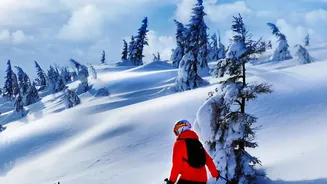
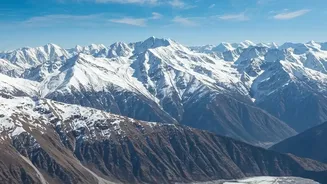
Gulmarg, located in the Pir Panjal range of Kashmir, has a global reputation among serious skiers for its deep, light powder and vast terrain. While its gondola provides access to incredible backcountry on Mount Apharwat, heli-skiing unlocks a truly exclusive
experience. Operators fly skiers to remote peaks between 4,000 and 4,745 meters, opening up immense, unpatrolled bowls, steep couloirs, and long descents through pine and birch glades. A single continuous run can be as long as 2,000 vertical meters, far beyond the reach of any lift. The terrain caters to a range of abilities from strong intermediates to experts, with options including wide-open glacial fields and technical 45-degree couloirs. The prime season runs from mid-January to mid-March, when storms deliver consistent, dry snow.
Manali, Himachal Pradesh: High-Altitude Thrills
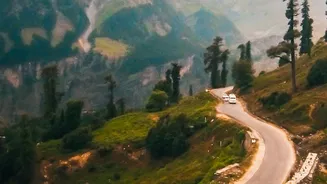
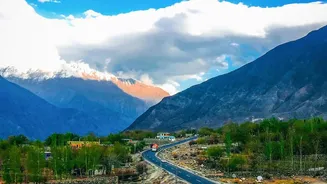
Manali, in the Kullu Valley of Himachal Pradesh, has been a base for heli-skiing operations since 1990. It offers a different but equally spectacular Himalayan experience. The terrain here includes everything from cedar and birch forests to high-alpine glaciers and ridges approaching 5,000 meters. Skiers can explore the slopes around iconic peaks like Hanuman Tibba and Deo Tibba. The high altitude and latitude provide long days, allowing for varied skiing conditions. Operators in Manali cater primarily to private and small groups, offering packages that often include a set amount of vertical meters. The season typically runs from late January through early April, with deep powder conditions being a major draw for experienced skiers looking for a raw and remote mountain adventure.
Who Is It For and What to Expect
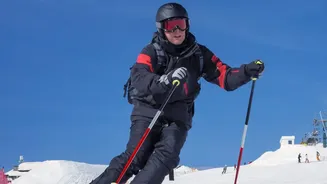
Heli-skiing in the Himalayas is not for beginners. This is an activity for strong, experienced off-piste skiers and snowboarders who are comfortable in deep, untracked powder and variable conditions. You need a high level of fitness to handle long descents at high altitudes. A typical day starts around 8:30 AM with a safety briefing covering avalanche protocols and helicopter procedures. Groups are small, usually with a strict guide-to-guest ratio of 1:4. Depending on the weather and snow stability, you could ski anywhere from 7 to 10 runs in a day. Expect to be flown in high-altitude helicopters like the Eurocopter AS350 B3, renowned for their performance in mountain environments. The experience is about more than just skiing; it's an immersion into the vast, quiet beauty of the world's highest mountain range.
Safety, Operators, and Costs
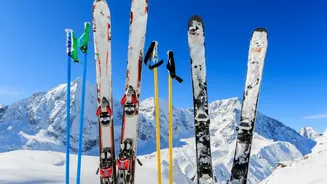
Safety is paramount in such an extreme environment. Reputable operators employ internationally certified guides with extensive local experience and provide all necessary avalanche safety equipment, including transceivers, shovels, and probes. Daily routines involve rigorous checks of weather and snowpack stability before any flights proceed. Leading operators in Gulmarg include Kashmir Heliski, while Himalaya Heliski is a long-standing operator in the Manali region. Heli-skiing is an expensive sport. Prices are often quoted for multi-day packages and vary based on the number of flying hours or vertical meters included, accommodation, and transfers. A week-long package can range significantly, often starting from around €12,500 in Manali or with daily options in Gulmarg that can be around ₹1,20,000 for a full day of 10 drops. It's crucial to check what is included and understand the operator's policy on 'no-fly' days due to bad weather.