



Ridge Gourd Peel Chutney
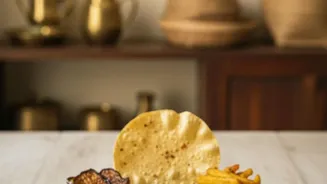
In many South Indian homes, particularly in Andhra Pradesh and Tamil Nadu, the fibrous, ridged peel of the humble ridge gourd (turai or beerakaya) isn't destined for the bin. Instead, it's transformed into a fiery and tangy chutney, often called Beerakaya
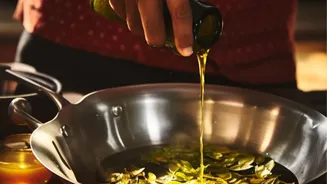
Thokku Pachadi. The peels are sautéed with lentils, chillies, garlic, and tamarind before being ground into a coarse, flavour-packed condiment. This chutney has a unique texture and a robust flavour that beautifully complements dosa, idli, or a simple bowl of hot rice and ghee.
Banana Stem Stir-fry
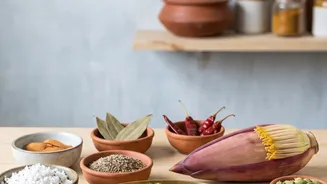
The core of the banana plant's trunk, known as the banana stem (vazhaithandu in Tamil), is a powerhouse of fibre. While the outer layers are tough, the tender inner stem is a prized ingredient in South Indian cuisine. Once the fibrous outer layers are peeled away, the crisp inner core is finely chopped and often soaked in buttermilk to prevent discolouration. It's then used to create dishes like Vazhaithandu Poriyal, a simple stir-fry with mustard seeds, lentils, coconut, and curry leaves, resulting in a delightfully crunchy and nutritious side dish.
Bottle Gourd Peel Sabzi
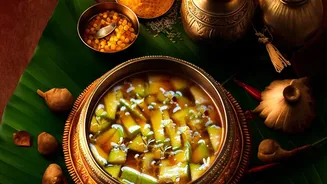
Don’t throw away the peel of your bottle gourd (lauki or ghia)! Across various parts of India, especially in Bengali and North Indian households, these peels are turned into a surprisingly delicious dish. Known as Lauki ke Chilke ki Sabzi or Lau'er Khosha Bhaja in Bengali, the peels are finely julienned and stir-fried until crisp. Often cooked with simple spices like nigella seeds, turmeric, and perhaps some potato slivers or a sprinkle of gram flour (besan), the dish offers a crunchy texture and a subtle, earthy flavour that is completely different from the soft flesh of the gourd itself.
Watermelon Rind Sabzi
After enjoying a juicy red watermelon, the thick white and green rind is usually discarded. However, in regions like Gujarat and Karnataka, this rind is the star of its own dish. The tough green skin is peeled off, leaving the crisp white part, which is then cubed and cooked into a sabzi or curry. It can be prepared as a simple stir-fry with spices like cumin and turmeric, or as a more elaborate sweet and sour curry, absorbing flavours beautifully while retaining a slight bite.
Cauliflower Stem and Leaf Curry
Most recipes call for only the florets of a cauliflower, leaving the thick central stem and leaves behind. These parts are not only edible but also full of flavour and nutrients. The stems and leaves, often called 'Gobi ke Danthal', can be chopped up and made into a hearty curry. The stems, which take longer to cook, become tender and sweet, while the leaves wilt down like spinach. Cooked with onions, tomatoes, and spices, this dish ensures that absolutely nothing from the cauliflower goes to waste.
Jackfruit Seed Curry
The large, starchy seeds found within a ripe jackfruit are a delicacy in their own right, particularly in Southern and Eastern India. Instead of being thrown away, these seeds are collected, boiled, and peeled. Their texture is often compared to a chestnut or a potato. The boiled seeds are used to make Palakottai Curry, a flavourful and nutritious dish. They can be added to sambar, made into a dry stir-fry, or cooked in a spiced coconut-based gravy, providing a wonderfully nutty and hearty element to the meal.
Pumpkin Peel Chutney or Curry
The tough outer skin of a pumpkin might seem inedible, but Indian culinary tradition has found a use for it too. In Tamil Nadu, for instance, pumpkin peels are used to make a curry. The peels are chopped and cooked with a blend of coconut, spices, tamarind, and red chillies. In other variations, the peels are stir-fried or ground into a chutney with lentils and spices, much like the ridge gourd peel. This practice transforms the fibrous skin into a flavourful accompaniment that is both nutritious and economical.
Mixed Vegetable Peel Chutney
Why stop at one peel? Many home cooks combine the peels of various vegetables to create a mixed peel chutney. Peels from carrots, potatoes, bottle gourd, and cucumbers can all be washed, lightly sautéed, and ground together with lentils, chillies, tamarind, and jaggery. The result is a complex, multi-layered chutney where different flavours and textures come together. It’s a testament to the resourcefulness ingrained in Indian cooking and a delicious way to pack in extra nutrients from parts of vegetables that are rich in fibre.