



Beyond the Halwai Counter
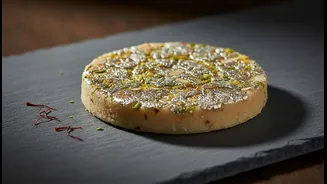
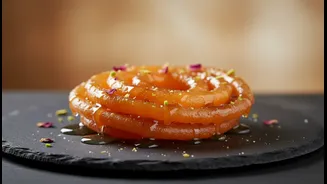
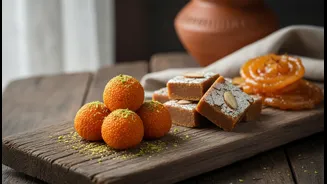
For generations, Indian sweets have been symbols of celebration, community, and comfort. The local halwai, with their glistening jalebis and perfectly stacked barfis, has been a cornerstone of every festival and piece of good news. But in recent years,
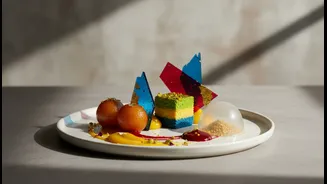
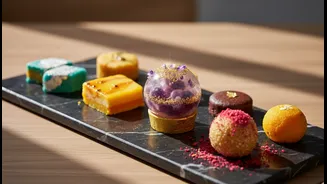
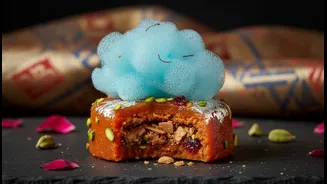
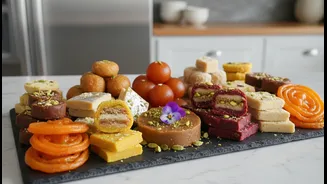
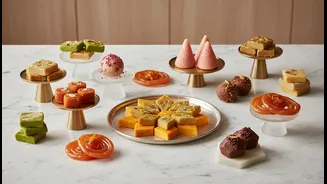
a quiet revolution has been taking place. A new generation of chefs and entrepreneurs are looking at these edible heirlooms not as relics, but as a launchpad for creativity. They are moving beyond the traditional and creating what is now known as contemporary or artisanal mithai. These are not your everyday laddoos; they are smaller, often less sweet, and presented with the precision of French patisserie. Brands like Bombay Sweet Shop, Khoya, Arq, and Gur Chini are leading this charge, turning mithai into a modern lifestyle statement.
What Is 'Craft' Language?
The term 'craft' has become a global movement in food and drink, suggesting something skilfully made by hand using high-quality ingredients. Originating in the beer industry, the term has been adopted to describe everything from chocolate to coffee. In the context of mithai, this "craft language" involves a focus on provenance, technique, and quality. You'll hear terms like 'small-batch', 'seasonal ingredients', and 'single-origin'. This new vocabulary helps to reframe mithai not just as a sweet treat, but as a product of artisanal skill and thoughtful creation. It’s about understanding the ingredients, honouring the process, and connecting with the consumer in a more meaningful way. The goal is to elevate the perception of mithai to the same level as gourmet chocolates or fine wines.
A Fusion of Flavours
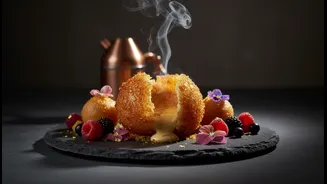
Perhaps the most exciting aspect of this trend is the bold fusion of flavours. While traditional ingredients like cardamom, saffron, and rose remain, they are now sharing the stage with global influences. Imagine a dark chocolate and coffee barfi, a lavender-infused kaju katli, or a Biscoff gujiya. Chefs are experimenting with textures and formats, creating hybrids like motichoor cheesecake and rasmalai tres leches. MasterChef Ajay Chopra's Kshir & Canelé, for example, explicitly aims to marry Indian mithai with French patisserie concepts. These creations aren't about replacing tradition, but about building a bridge between the halwai's counter and the fine-dining plate, translating a familiar Indian identity into a new, global language.
Ingredient-First Philosophy
At the heart of the contemporary mithai movement is a focus on high-quality, natural ingredients. There's a growing emphasis on using organic and single-origin components to enhance flavour and authenticity. Many brands are creating 'guilt-free' treats using natural sugars like jaggery, dates, and coconut sugar, catering to a more health-conscious audience. High-end nuts like hazelnuts and macadamias, along with superfoods like chia seeds, are also finding their way into these modern sweets. Furthermore, with rising dietary awareness, many kitchens are now offering vegan, gluten-free, and nut-free options, ensuring that everyone can partake in the celebration.
A Treat for the Eyes
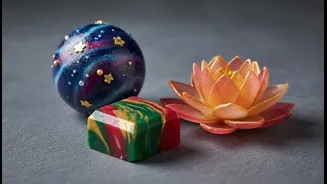
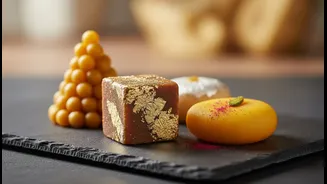
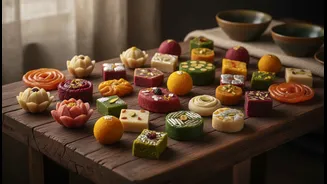
This evolution isn't just about taste; it's also deeply aesthetic. Contemporary mithai is as much a feast for the eyes as it is for the palate. The sweets are often smaller, more refined, and presented in beautifully designed, 'Instagram-worthy' packaging. Brands are collaborating with artists and designers to create bespoke boxes that turn the act of gifting mithai into a curated experience. This focus on presentation helps to position these sweets as luxury items, perfect for modern celebrations, weddings, and corporate gifting. It’s a complete sensory experience, from opening the elegant box to the final, flavourful bite.