








The Monsoon Commuting Challenge
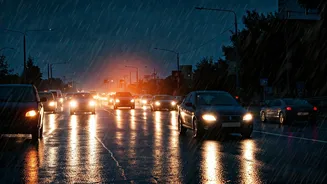
Across India's major cities, the monsoon season turns the daily commute into a significant test of patience. Heavy rainfall leads to widespread disruptions, from flooded underpasses in Delhi and Bengaluru to delayed local trains in Mumbai. A journey that
normally takes 45 minutes can easily stretch to two hours or more. Urban rainfall patterns have intensified, with short, heavy bursts overwhelming decades-old drainage systems. This leads to immediate traffic slowdowns, reduced visibility, and dangerous road conditions like hidden potholes and slippery surfaces. For the millions who rely on public transport, services often face diversions or cancellations, making a predictable schedule nearly impossible.
Your First Defence: Real-Time Rain Alerts
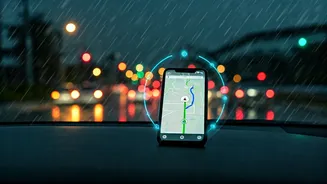
In this era of unpredictability, your smartphone is your most powerful tool. Gone are the days of relying on a morning weather report. Hyperlocal, real-time rain alert apps can tell you when precipitation is expected, almost down to the minute. This allows you to make informed decisions before you even step out of the door. An alert for a heavy downpour in 30 minutes could be your cue to leave earlier, take a different mode of transport, or notify your office of a potential delay. The key is to move from a reactive to a proactive mindset. Using these apps helps you build essential buffer time into your schedule, which is a critical skill for any urban Indian commuter during the monsoon.
Choosing the Right Weather App for India
Not all weather apps are created equal, especially in the Indian context. For the most reliable information, consider government-backed apps like MAUSAM, from the India Meteorological Department (IMD), which provides official warnings for rain and thunderstorms. Another official app, Damini, specifically alerts users to lightning strikes. International apps like AccuWeather are popular for their 'MinuteCast' feature, which gives minute-by-minute precipitation forecasts. Skymet Weather is another strong contender with a focus on Indian weather patterns and monsoon tracking. When choosing an app, look for features like live radar maps and severe weather alerts to stay fully informed.
Beyond the App: Charting Your Backup Routes
Technology is only half the battle. Once you know rain is coming, you need a plan. Before the season gets too intense, take the time to identify and, if possible, test alternative routes to your workplace. Major choke points like Mumbai's Andheri subway or Bengaluru's Outer Ring Road are notoriously prone to waterlogging. Having two or even three backup routes can save you hours of frustration. Use online maps to scout for alternatives that avoid low-lying areas and known bottlenecks. Even public transport users should have a plan B. If your usual bus route is diverted, do you know which metro station is the next best option? Proactive planning is key, as municipal traffic police often announce diversions on social media during heavy spells.
Preparing Your Monsoon Commuter Kit
A little preparation can make a soaked, stressful journey a merely damp and manageable one. Assemble a monsoon-specific kit to keep at home or the office. This should include a sturdy, wind-resistant umbrella and a lightweight waterproof jacket. Opt for quick-drying clothing and reliable waterproof footwear to navigate puddles and wet floors. A waterproof bag or pouch is essential for protecting electronics like your phone and laptop, and a power bank can be a lifesaver during long delays. Finally, keeping a small towel and a spare pair of dry socks at your workplace can dramatically improve your comfort for the rest of the day.