







The Seeds of a Textile Giant
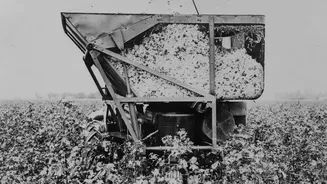
The story of Coimbatore's textile dominance begins not with factories, but with farming. The region's geography offered a perfect recipe for success: vast tracts of black cotton soil, ideal for cultivating cotton, and a salubrious climate with the right
humidity for spinning yarn. For centuries, even dating back to ancient Roman times, the area was known for its cotton. However, it was the late 19th century that saw the dawn of industrialisation. In 1888, a British entrepreneur named Sir Robert Stanes established the Coimbatore Spinning and Weaving Mills, the city's very first mechanised textile mill. This single act planted the seed from which an entire industry would grow, setting the stage for Coimbatore's transformation.
A Confluence of Favourable Factors
The establishment of Stanes Mill was a catalyst, but several other factors converged to fuel an explosion in the textile sector. One of the most critical was the arrival of hydroelectric power from the Pykara project in the 1930s, which provided abundant and reliable energy for the power-hungry mills. This, combined with the existing agricultural advantage, created an irresistible opportunity for local entrepreneurs. Visionary industrialists, many from the region's farming communities, saw the potential. Mills like Kaleeswarar Mills, Sri Ranga Vilas Mills, and Lakshmi Mills were founded by Indian pioneers, marking a shift from colonial enterprise to homegrown industrial might. The city's growth was further aided by the decline of Bombay's textile industry in the 1930s, allowing Coimbatore to capture a larger market share.
From Spinning Mills to a Complete Ecosystem
While spinning high-quality cotton yarn became Coimbatore's forte, its textile story didn't end there. The proliferation of spinning mills created a self-sustaining ecosystem. Workshops and foundries emerged in the 1930s, initially to repair imported textile machinery. This ancillary sector soon evolved into a major industry in its own right, with companies beginning to manufacture their own machinery. Today, Coimbatore is a major hub for textile machinery manufacturing, with homegrown brands gaining global recognition. This synergy, where the core industry fuels its own support systems, was crucial to its long-term success. The city became a one-stop solution for textile needs, from raw cotton and yarn to the very machines that processed them.
The Modern Legacy of the Mills
Today, while Coimbatore has diversified into IT and manufacturing, its identity as a textile powerhouse remains unshaken. The industry has evolved from primarily spinning to include weaving, knitwear, garment manufacturing, and technical textiles. The city is home to influential industry bodies like the Southern India Mills' Association (SIMA) and premier research institutions like the South Indian Textiles Research Association (SITRA), which continue to drive innovation. The neighbouring city of Tirupur, Asia's largest knitwear exporter, owes its existence to the foundational spinning industry in Coimbatore. The cotton mills may not dominate the landscape as they once did, but their legacy is woven into the city's economic DNA, its entrepreneurial spirit, and the very fabric of its identity.