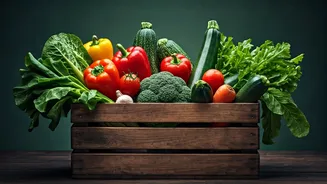







Gobi: The Winter King
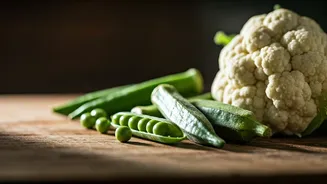
The arrival of winter was often heralded by the sight of dense, creamy-white heads of cauliflower, or *gobi*, stacked high in vegetable markets. This cruciferous vegetable was a blank canvas for our mothers' culinary art. It could be the star of the show
in a dry, spicy *Aloo Gobi*, a dish so fundamental it’s practically a cornerstone of North Indian home cooking. It could be transformed into crispy, golden *gobi pakoras* on a rainy afternoon, or minced into a savoury filling for parathas that made cold mornings bearable. For many, the smell of cauliflower sautéing with turmeric, cumin, and ginger is the definitive scent of a winter kitchen, promising a warm, comforting meal.
Bhindi: The Slimy Summer Staple
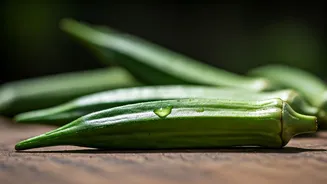
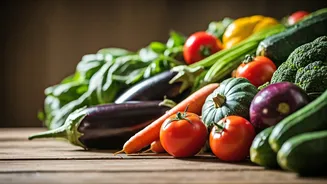
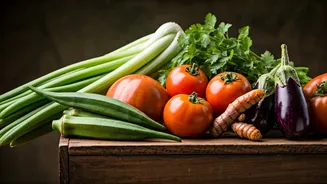
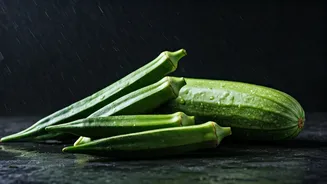
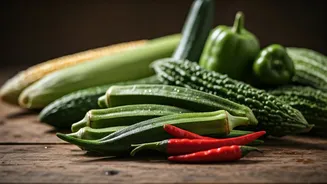
Okra, or *bhindi*, is perhaps one of the most divisive vegetables of an Indian childhood. You either loved its unique texture or dreaded its infamous sliminess. Yet, there was no escaping it during the sweltering summer months. Our mothers had a dozen tricks to tame it, from frying it to a crisp in *kurkuri bhindi* to stuffing it with a tangy masala blend for *bharwa bhindi*. The simple, everyday *bhindi masala*, stir-fried with onions and a hint of amchur (dry mango powder), was a tiffin box regular. Learning to appreciate bhindi was a rite of passage, a sign that you had finally graduated to a more mature palate.
Matar: The Sweet Green Jewels
Winter also brought with it plump pods of green peas, or *matar*. Shelling peas was often a family activity, a small, meditative task performed while chatting or watching television. These sweet, tender pearls found their way into everything. They added a pop of colour and sweetness to pulao, turned a simple potato curry into the iconic *Aloo Matar*, and were mashed with spices to become the filling for flaky *matar kachoris*. The slightly sweet, starchy flavour of fresh matar is a taste many of us associate with special occasion meals and the comfort of festive winter food. Who can forget sneaking a few raw peas straight from the pod?
Lauki: The Misunderstood Gourd
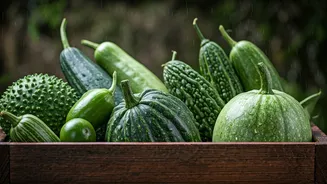
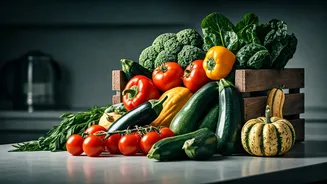
Ah, bottle gourd. Known as *lauki* or *doodhi*, this was the vegetable many of us grew up dreading. Often served in a simple, soupy curry, it was labelled bland and boring. Yet, our parents insisted on it, citing its endless health benefits, especially its cooling properties in the summer. But Indian cuisine is nothing if not inventive. The same 'boring' lauki was secretly transformed into delicious, melt-in-your-mouth *lauki ke kofte*, grated into theplas, or sweetened into a rich *lauki ka halwa* that could win over the staunchest of critics. It taught us an early lesson: don't judge a vegetable by its reputation.
Baingan: The Versatile Emperor
Brinjal, or *baingan*, holds a royal status in the vegetable hierarchy. Its versatility is unparalleled. It could be fire-roasted and mashed with smoky perfection to create the legendary *baingan ka bharta*, a rustic dish that tastes of the earth. It could be sliced, batter-fried into addictive *beguni* or *baingan pakoras*, or simmered in a rich peanut and sesame gravy in dishes like *baghara baingan*. Every region has its own signature brinjal dish, a testament to its ability to absorb flavours and transform completely depending on its preparation. From simple stir-fries to elaborate curries, the humble brinjal has always been a reliable star.
Palak: The Green Powerhouse
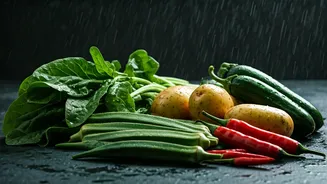
Spinach, or *palak*, was the undisputed champion of healthy eating in every household. It was the vegetable our parents turned to when they wanted to sneak some iron into our diets. The most famous preparation, of course, is *Palak Paneer*, a creamy, luxurious dish that made eating greens feel like a treat. But there was also the humble *Dal Palak*, where the spinach melted into the lentils, adding flavour and nutrition. In the winter, it was combined with other greens to make the hearty and robust *sarson da saag*. Palak taught us that healthy could also be incredibly delicious.