






A Major Boost in Speed and Capacity
For years, booking a train ticket during the high-stakes Tatkal window often felt like a lottery, with the website slowing to a crawl under immense pressure. The biggest upgrade addresses this pain point directly. The new system has been engineered to handle
a significantly higher volume of traffic, boosting its capacity from around 32,000 bookings per minute to over 1.5 lakh. This massive increase in backend power is designed to drastically reduce server congestion, crashes, and payment failures that plagued users during peak hours. Furthermore, the Passenger Reservation System (PRS) can now field over 40 lakh enquiries per minute, a tenfold increase from its previous capacity, ensuring the site remains responsive even when millions are searching for trains simultaneously.
A Cleaner Interface with Fewer Interruptions
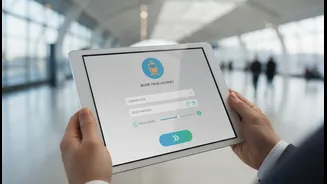
One of the most welcome changes for frequent travelers is the redesigned user interface, which is cleaner, more intuitive, and significantly less cluttered. The new layout aims to streamline the booking process by reducing the number of steps needed to secure a ticket. In a move likely to be celebrated by users everywhere, the platform has cut down on the constant interruptions that made booking a frustrating experience. This means fewer distracting pop-ups and, most importantly, a reduction in the number of CAPTCHA verifications required to complete a transaction. This simplified flow is especially critical during Tatkal bookings, where every second counts and a single delay could mean losing a confirmed seat.
Smarter Tools for Better Planning
The revamped platform introduces several intelligent features to help passengers make more informed decisions. A new 'fare calendar' allows users with flexible travel dates to easily compare ticket prices across a wider window, helping them find the most economical option. Another time-saving update is the unified seat availability view. Instead of having to click into each class (Sleeper, 3AC, 2AC, etc.) one by one, passengers can now see the availability across all classes on a single screen. The platform will also incorporate AI-powered tools designed to predict the probability of a waitlisted ticket getting confirmed, giving passengers more clarity when making a booking.
More Accessible for Everyone
Recognizing India's diverse population, the new IRCTC website now supports multiple Indian languages, making it more accessible to users who are not comfortable with English. This is a significant step towards making the platform truly inclusive. In another key move, the portal has integrated booking facilities for different concession categories. This means that Divyangjan, students, and patients can now access their special booking facilities through the same unified platform, simplifying a process that previously required separate or more complex procedures. Frequent travelers and those booking for families will also appreciate the ability to save passenger details, which eliminates the need to re-enter the same information for every booking and speeds up the checkout process.
The AI-Powered Future of Bookings
Beyond the immediate website revamp, Indian Railways is also enhancing its AI capabilities. The AskDISHA 2.0 chatbot, which is available on both the website and mobile app, already assists users with a range of services. This AI-powered assistant can help book tickets, check PNR status, process cancellations, and check on refund status using both text and voice commands in English, Hindi, and Hinglish. The chatbot represents a move towards a more conversational and supportive user experience, where passengers can get instant help without navigating complex menus. This integration of AI is a core part of modernizing the entire digital ecosystem for railway passengers.