






Why Skipping Is a Cardio Powerhouse
When it comes to cardiovascular conditioning, skipping rope punches well above its weight. It's a high-intensity workout that elevates your heart rate quickly, strengthening your heart muscles and improving your body's ability to pump blood and oxygen
efficiently. Studies have shown that just 10 minutes of daily rope skipping can be as effective for improving cardiovascular efficiency as 30 minutes of jogging. The exercise engages major muscle groups in your legs, core, and even your arms and shoulders, making it a comprehensive workout that builds both muscular and cardiovascular endurance. This unique combination of strength and cardio work helps you sustain effort for longer periods, whether you're a runner looking to improve your stamina or simply want to get through a busy day with more energy.
Getting Started: Your Rope and Form
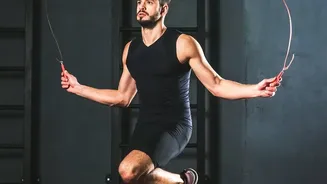
Before you start, choosing the right equipment and learning the fundamentals is key. The length of your rope is crucial; to measure it, stand on the middle of the rope with both feet. The handles should reach just below your armpits. A rope that's too long or short will disrupt your rhythm and make learning difficult. For beginners, a slightly thicker or weighted rope can be beneficial as it provides more feedback, making it easier to feel the rope's rotation and time your jumps. Your form is just as important. Stand tall with your shoulders back and chest up. Keep your elbows close to your body and drive the rope's rotation with your wrists, not your arms. You only need to jump an inch or two off the ground—just high enough to clear the rope—and you should land softly on the balls of your feet with a slight bend in your knees.
Structuring Your Endurance Workout
To build endurance, consistency and structure are more important than sheer intensity, especially at the beginning. Interval training is an excellent method for this. A great starting point is to alternate between periods of work and rest. For example, try skipping for 30 seconds, followed by 30 to 60 seconds of rest. Repeat this for 10-15 minutes. As your fitness improves, you can gradually increase the work duration or decrease the rest time. The goal is to maintain clean form throughout the entire workout. Don't push to the point of exhaustion where your technique falls apart. Starting with just three sessions a week is a great way to build a solid foundation without overdoing it.
Common Mistakes to Avoid
Many beginners get frustrated because of a few common, easily correctable mistakes. One of the biggest is jumping too high. This wastes energy and puts unnecessary strain on your joints. Remember, you only need to clear the rope by an inch or so. Another frequent error is using your entire arms to swing the rope. This is inefficient and will tire your shoulders out quickly. The movement should primarily come from small, controlled circles with your wrists. Finally, avoid landing flat-footed or on your heels. Always land on the balls of your feet, which acts as a natural shock absorber and keeps you light and ready for the next jump. Correcting these habits early will make your practice smoother and more effective.
Progressing and Adding Variety
Once you've mastered the basic jump, you can start challenging your endurance and coordination further. A simple way to progress is to increase your speed or the duration of your jumping intervals. You can also introduce new footwork patterns to keep things interesting and work different muscles. Try alternating your feet as if you're jogging in place, doing high knees, or hopping from side to side. For an added challenge, you can switch to a heavier rope, which increases resistance and builds more upper body and core strength. Combining different jump styles within a single workout, like 50 basic jumps followed by 50 high knees, is a fantastic way to boost intensity and prevent boredom.